|
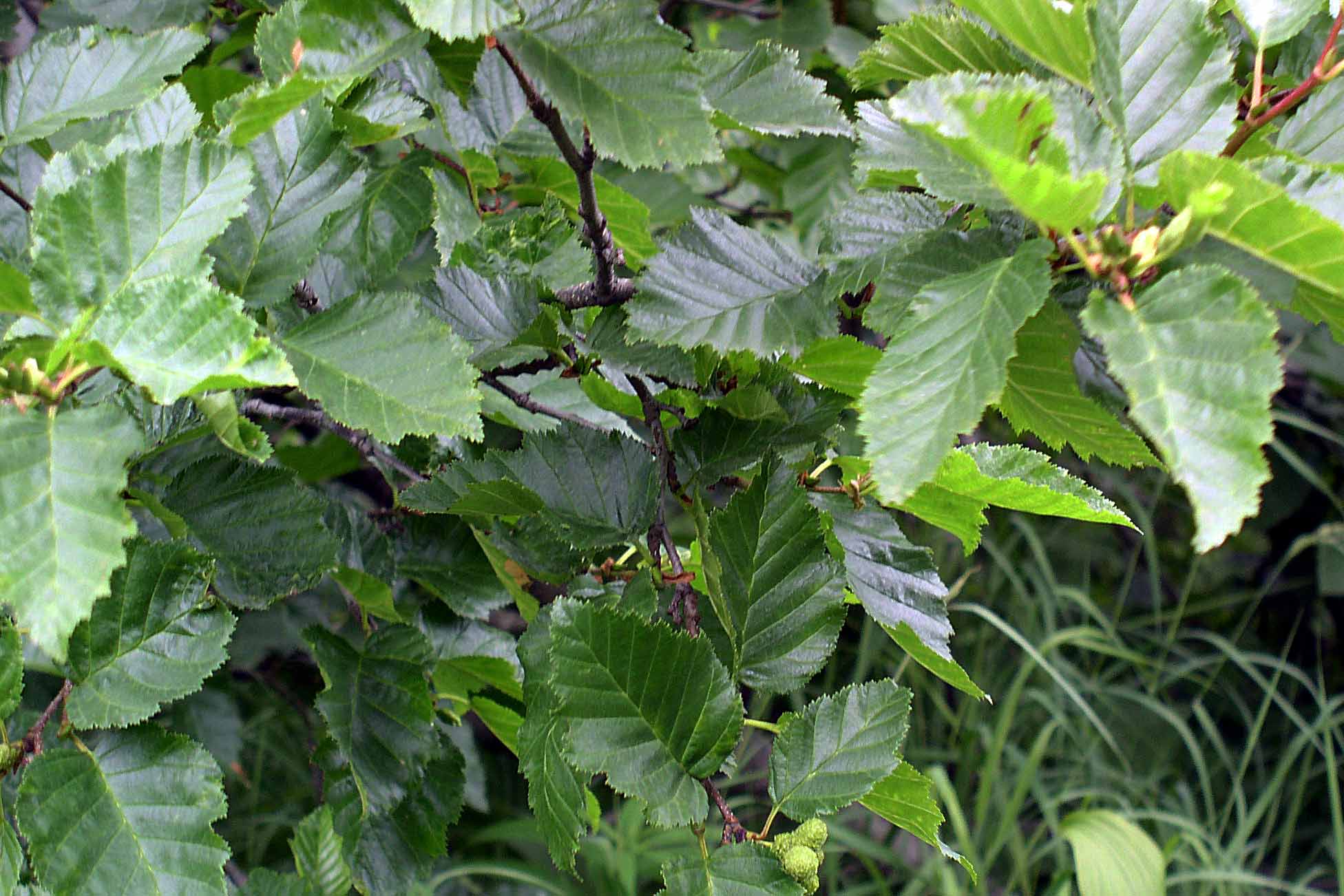
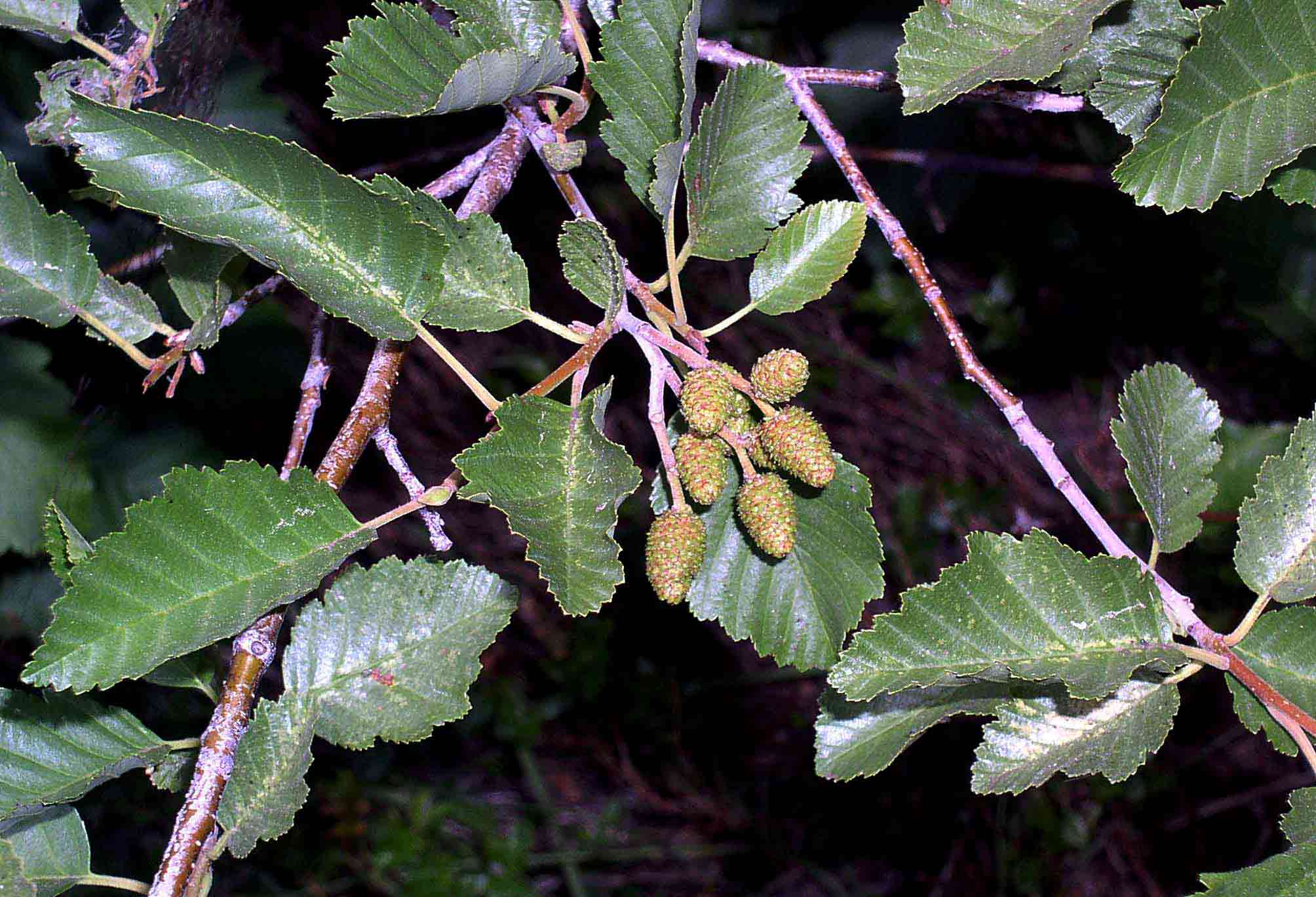
Alnus viridis
ssp. crispa
|
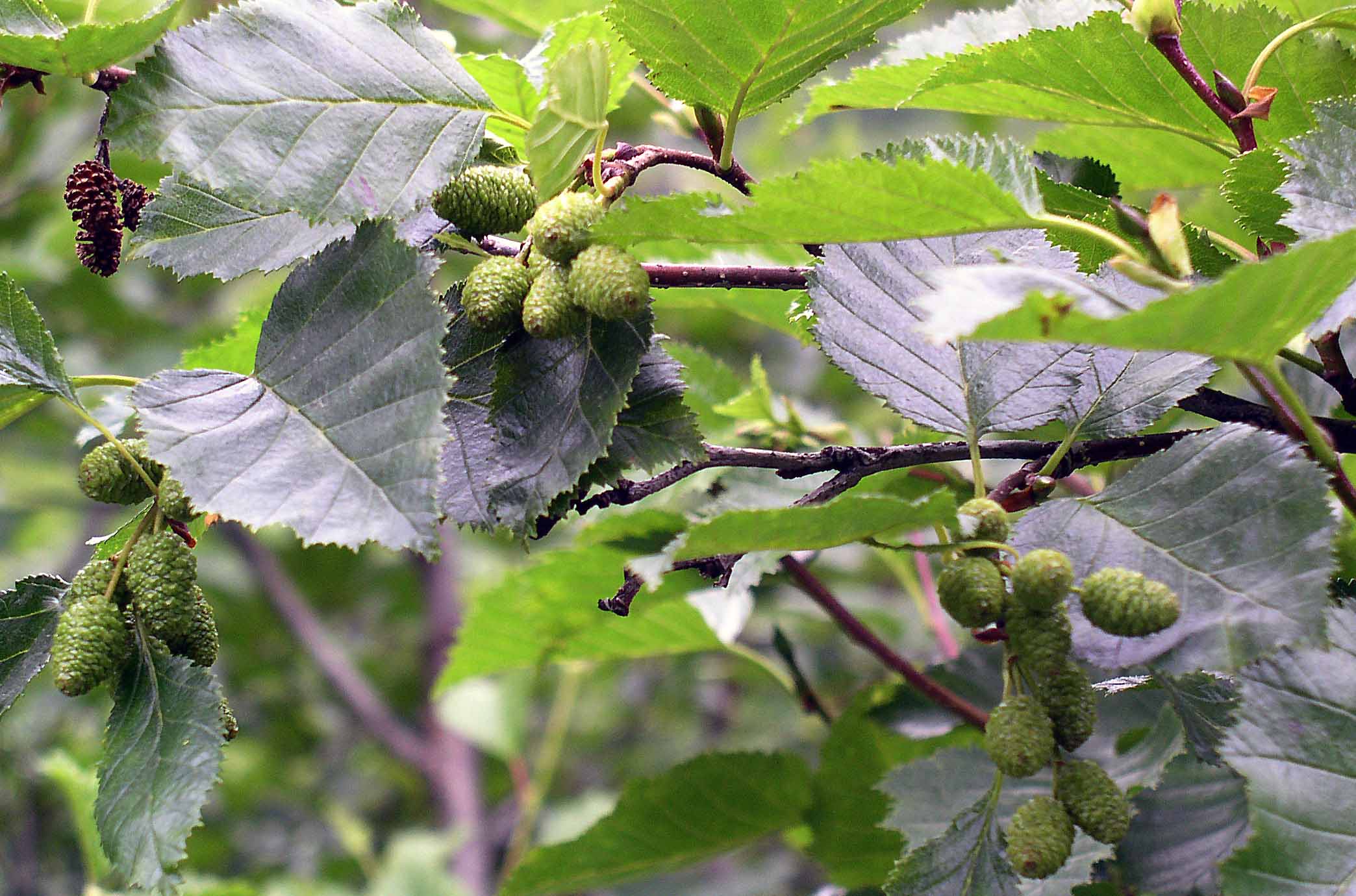
Alnus incana var.
tenuifolia
|
|
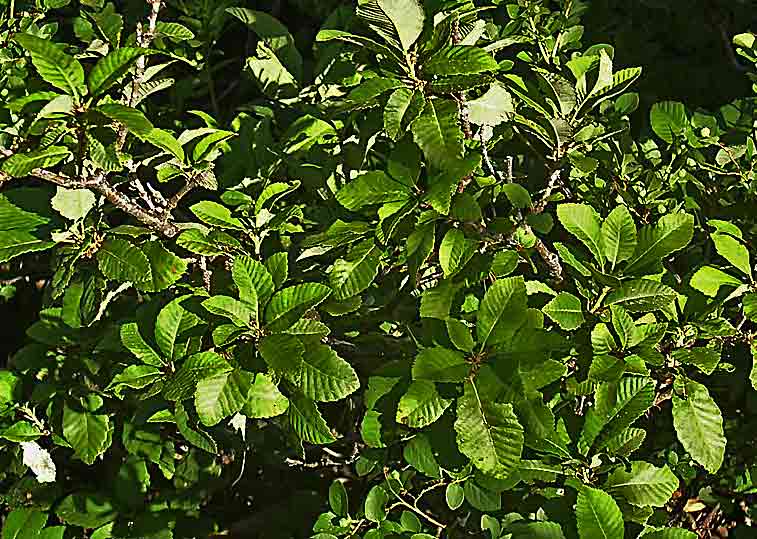
Alnus rhombifolia
|
Humboldt Co., near Trinidad,
CA
|
|
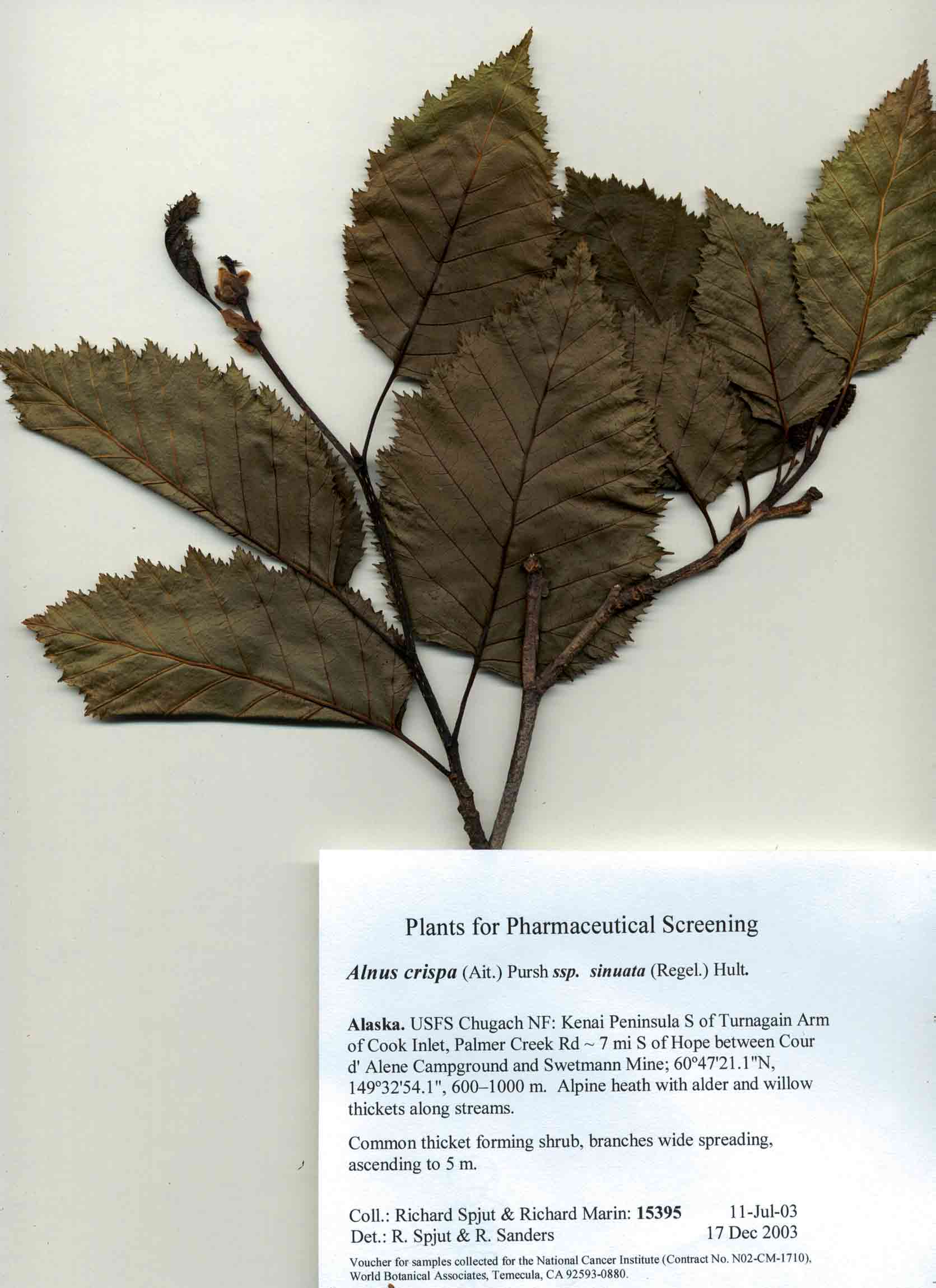
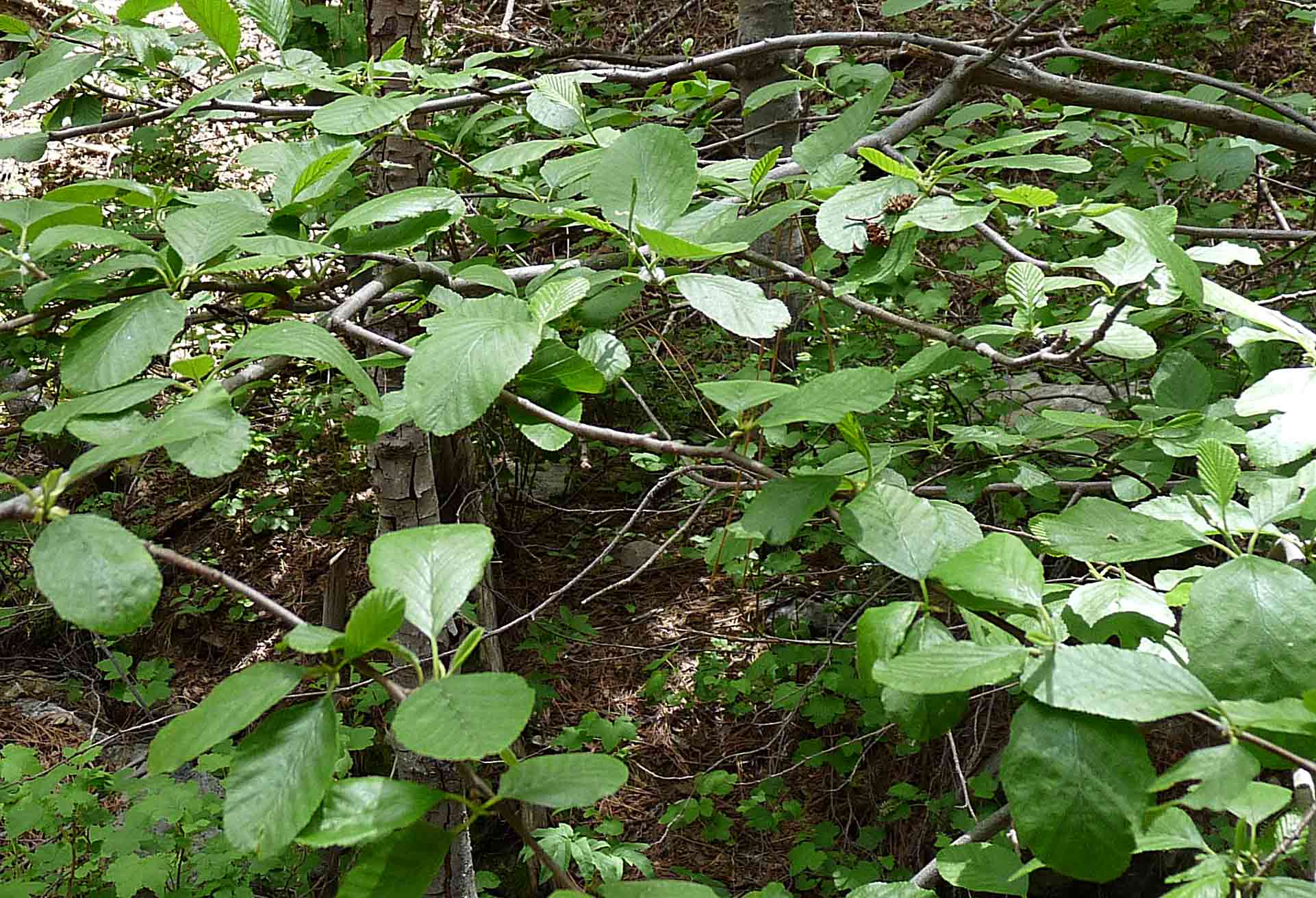
Alnus viridis ssp. sinuata Marble Mts. Wilderness, CA |
|
|
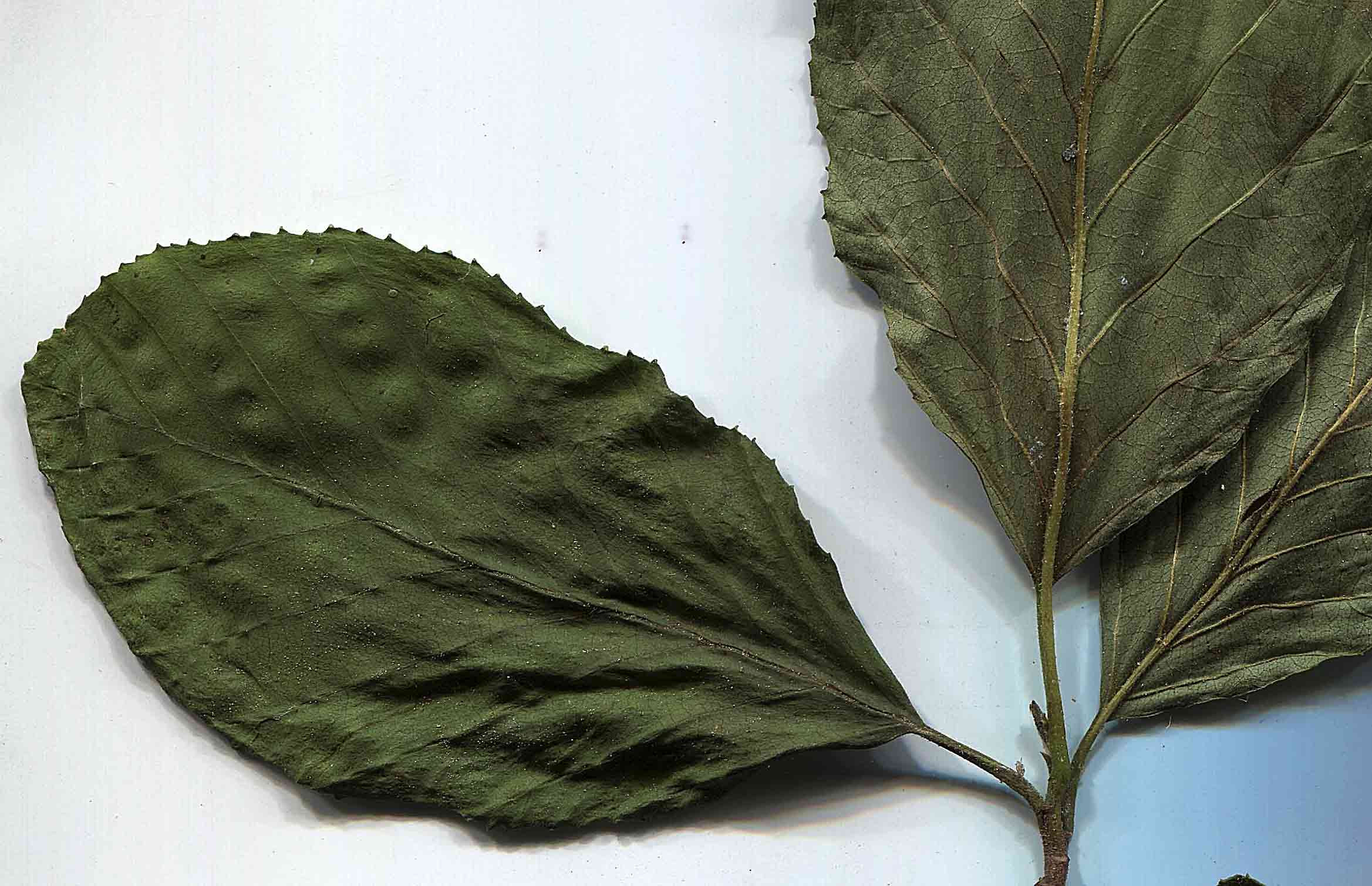
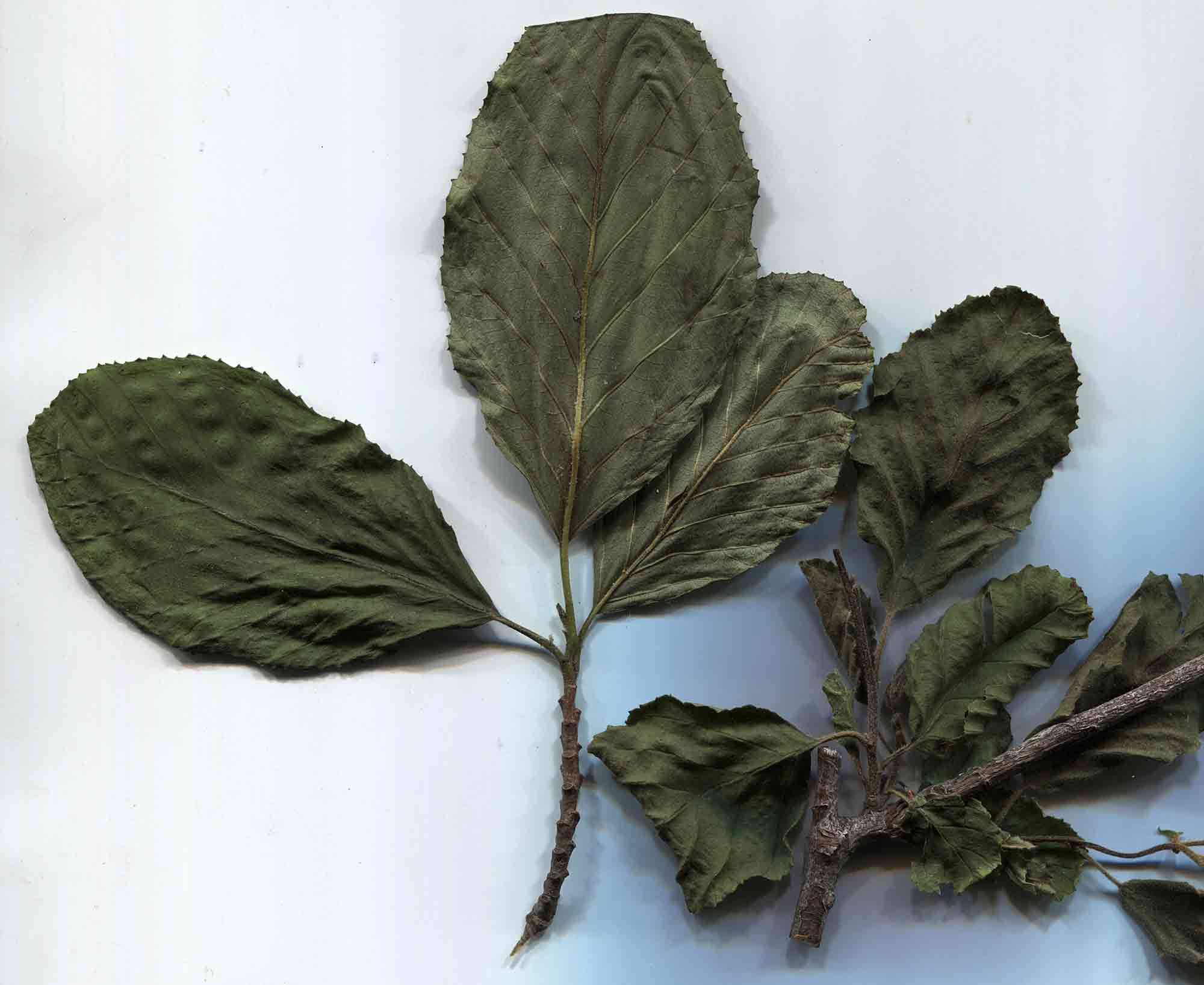
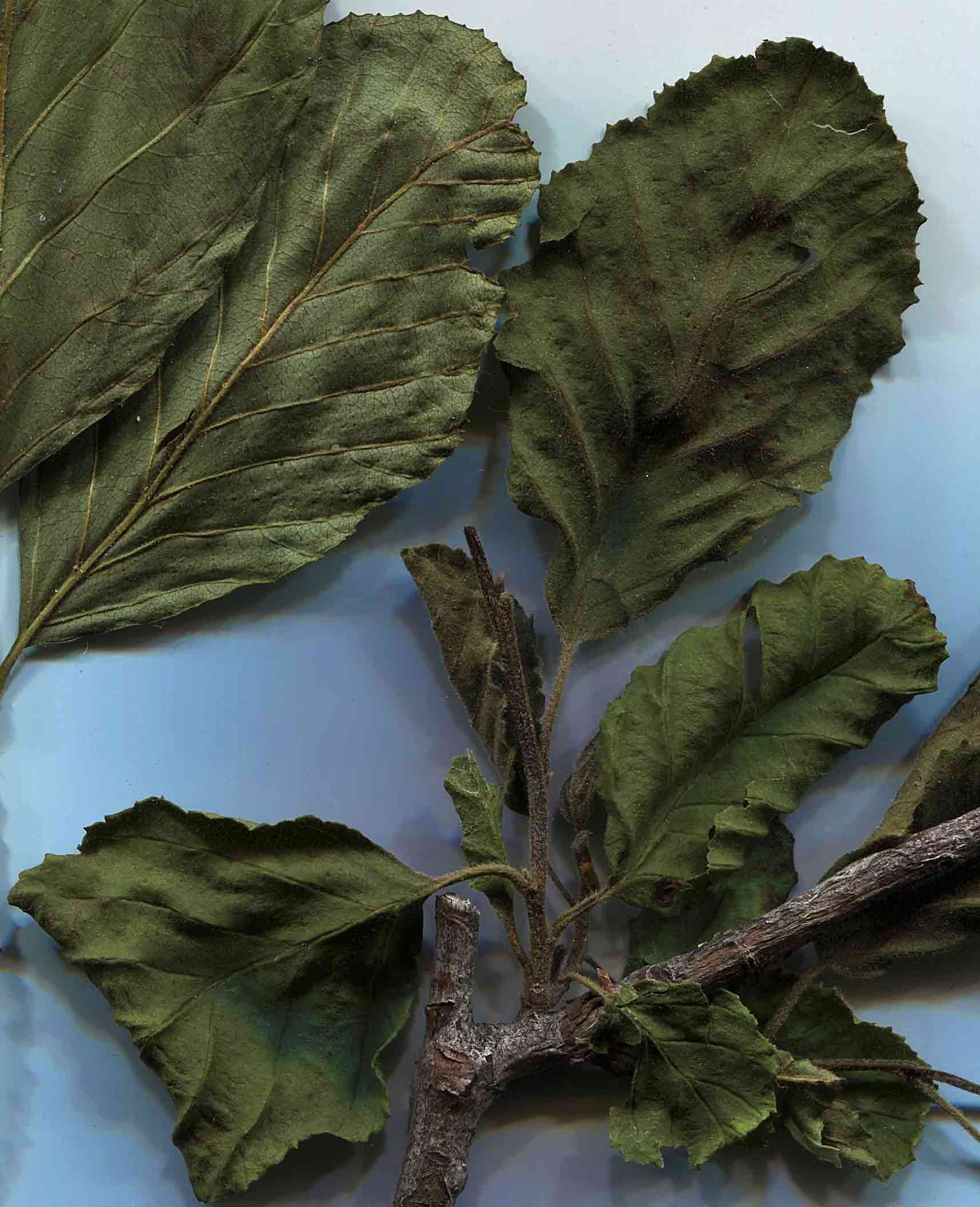
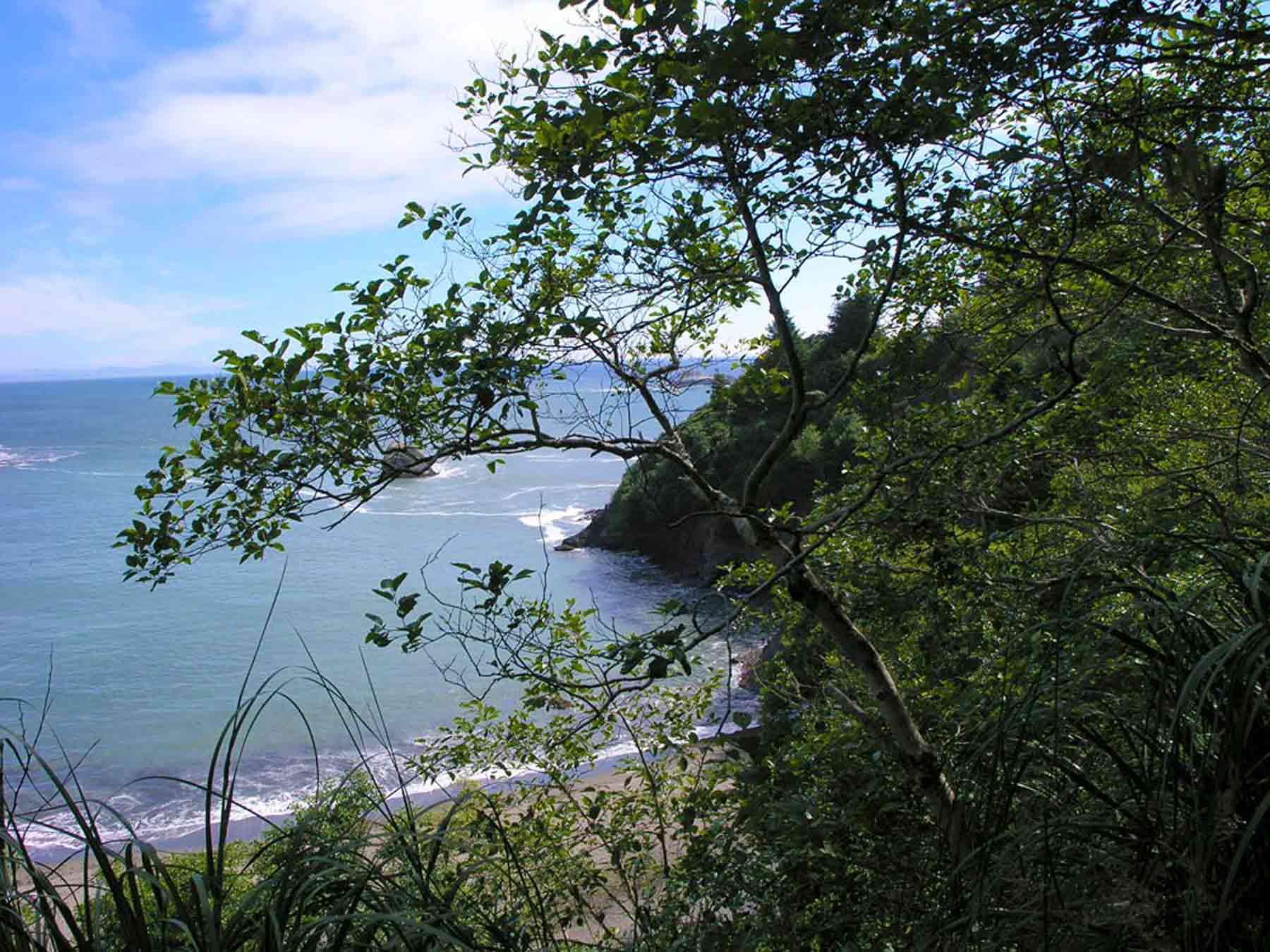
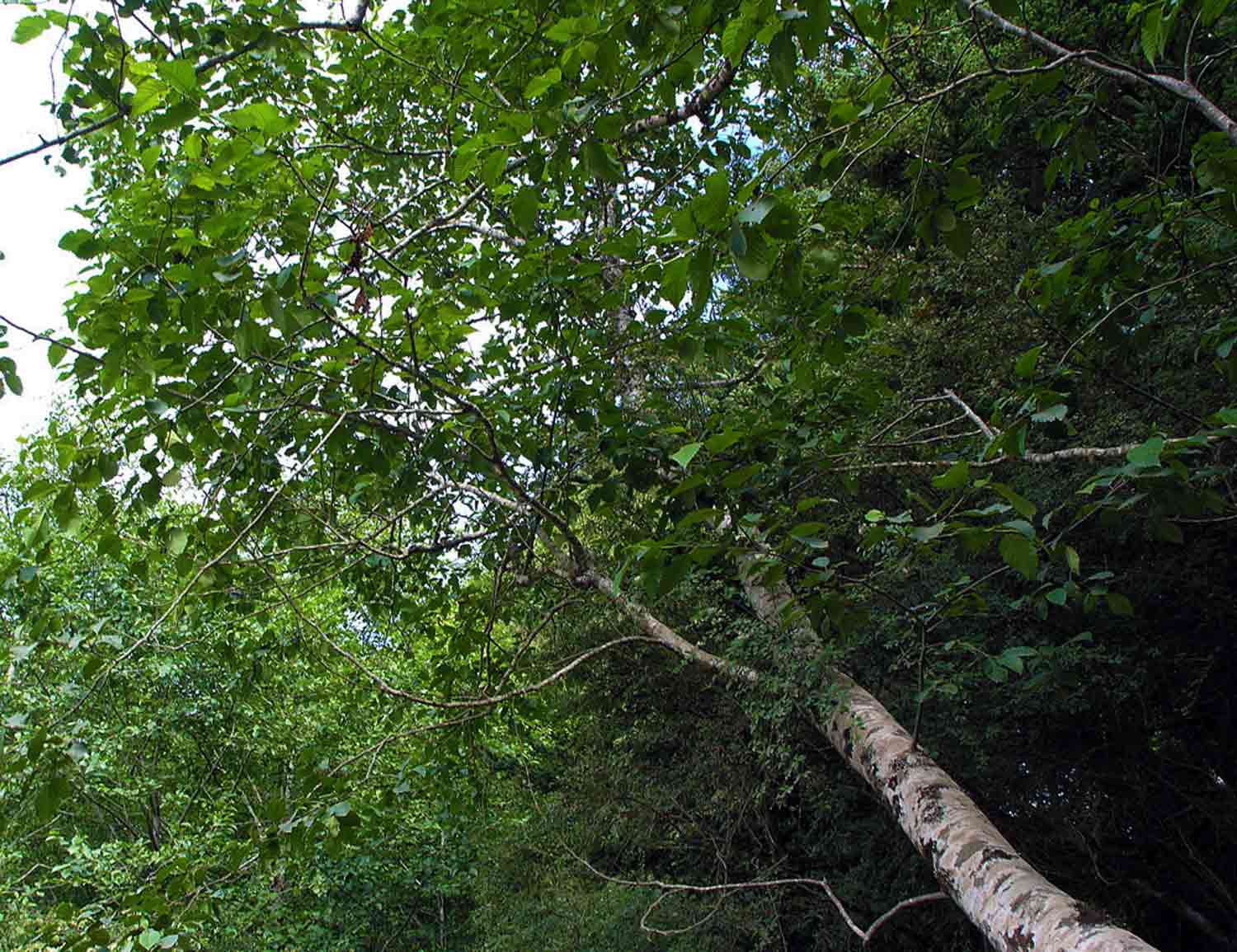
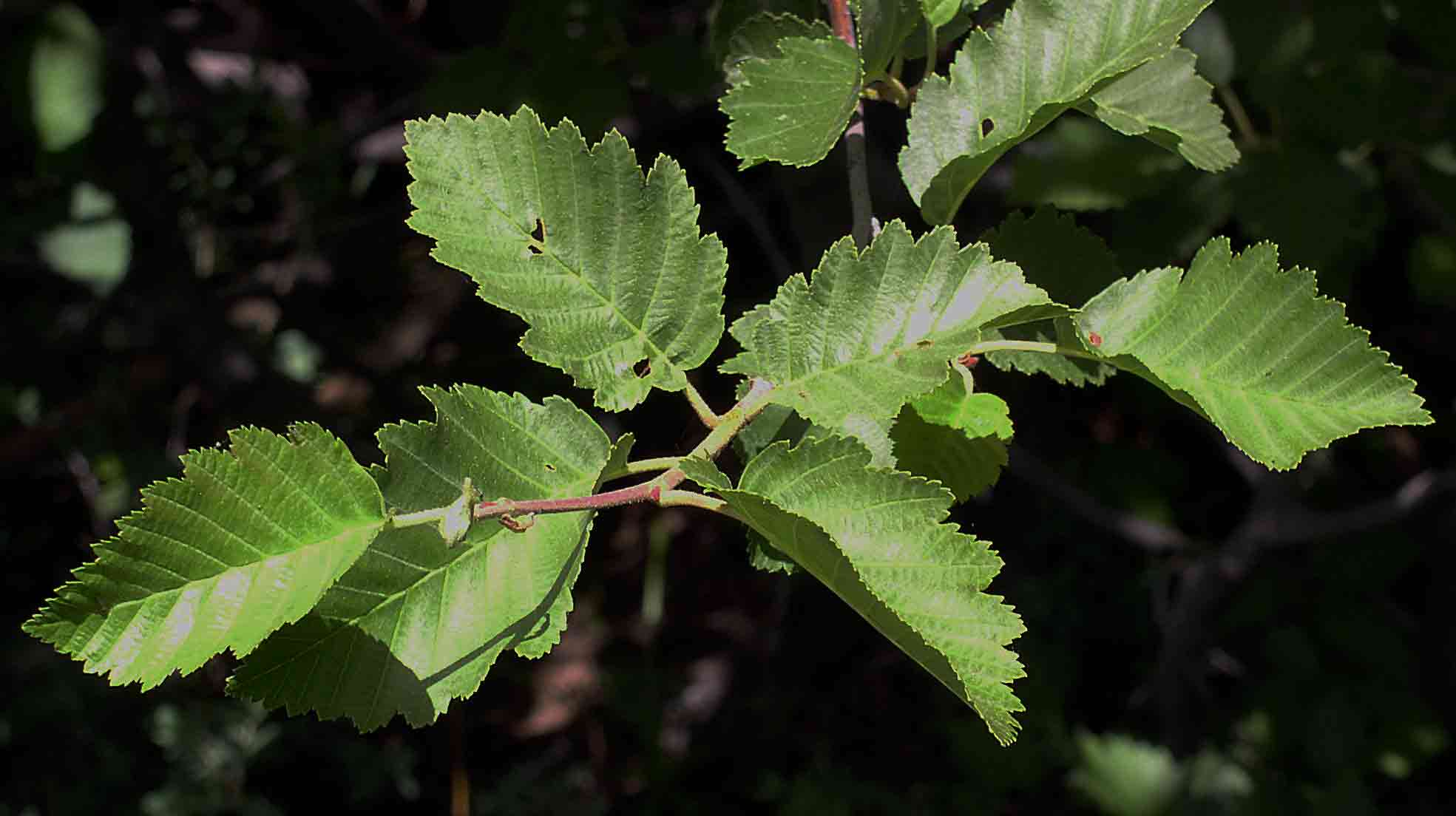
Trees and Shrubs of Kern County (Jan 2013, June 2014) Alnus rhombifolia Nuttall 1842. White alder. Tree to 25 m, often with several trunks; bark light gray to white, brown and scaly in age, smooth; leaves alternate, broad elliptic to slightly wide below mid region, 1.5–2× longer than wide, 4–9 cm, wide triangular to rounded to petiole, finely toothed along margins, prominently pinnately veined, the veins impressed into the upper surface and raised on lower surface; fruit a persistent achenoconum, pericarpia winged (samara) dispersed from the cones Along streams up to 8,000 ft. California to Washington and western Idaho with an isolated occurrence in western Montana. White alder groves recognized in MCV2 when >50% relative cover in the tree canopy with less dominance by conifers. Type from Monterrey, CA. Kern Co.: “Common along stream-banks from the upper limits of the Douglas oak woodland through the red fir forest south to El Paso Creek,” with an isolated colony along Kern River near Lake Ming” (Twisselmann), 1,200–1,493 m (CCH). Trees growing along a creek on the east slope of Greenhorn Mts. with dominant incense cedar have larger thin leaves with hairs mostly along the primary veins as seen on the abaxial surface, and young twigs without hairs and with conspicuous leaf scars. The alders on the west slopes such as along Cedar Creek appear typical of the species. Pharmacological References Alnus rubra. Hartwell (1976) reported that J. Cole isolated betulin and lupeol from samples of this species, and also from Alnus firmifolia, based on activity in WA. Han J. M, W. S. Lee, J. R. Kim, J. Son, K. H. Nam, S. C. Choi, J. S. Lim and T. S. Jeong. 2007. Effects of Diarylheptanoids on the Tumor Necrosis Factor-alpha-Induced Expression of Adhesion Molecules in Human Umbilical Vein Endothelial Cells. J Agric Food Chem. 2007. “Atherosclerosis is a chronic inflammatory disease that is characterized by infiltration of mononuclear lymphocytes into the intima through the expression of adhesion molecules on the arterial wall. In the present study, we report the inhibitory effects of two diarylheptanoids, 5- O-methylhirsutanonol ( 1) and oregonin ( 2), isolated from the methanolic extracts of Alnus japonica leaves, on the expression of adhesion molecules in human umbilical vein endothelial cells (HUVECs). Compounds 1 and 2 inhibited tumor necrosis factor (TNF)-alpha-induced up-regulation of vascular cell adhesion molecule-1 (VCAM-1) and intercellular adhesion molecule-1 (ICAM-1), which also prevented adhesion of monocytes to HUVECs, and slightly suppressed the mRNA expression of the inflammation-associated gene interleukin-1beta (IL-1beta). A further study demonstrated the inhibitory effect of compound 1 on DNA-binding of nuclear factor kappaB (NF-kappaB) and on the phosphorylation and degradation of inhibitory factor kappaBalpha (IkappaBalpha) in TNF-alpha-stimulated HUVECs. These results indicate that compounds 1 and 2 may be useful in the prevention and treatment of atherosclerosis through attenuation of adhesion molecule expression by inhibition of NF-kappaB activation.” Jin W., X. F. Cai, M. Na, J. J. Lee and K. Bae. 2007. Triterpenoids and diarylheptanoids from Alnus hirsuta inhibit HIF-1 in AGS cells. Arch Pharm Res. 30(4): 412–418. “Bioassay-guided fractionation and purification of the EtOAc soluble fraction from the MeOH extract of the stem bark of Alnus hirsuta (Betulaceae), using an in vitro HIF-1 assay, led to the isolation of four triterpenoids (1-4) and six diarylheptanoids (5-10). Their structures were determined by comparison with the physicochemical and spectroscopic data in the literature. These compounds were investigated for their effects on the hypoxia-induced HIF-1 activation using an HIF-1a mediated reporter gene assay in AGS cells. Among them, two diarylheptanoids, 2-oxatrycyclo[13.2.2.13,7]eicosa-3,5,7(20),15,17,18-hexaen-10-16-diol (6) and 2-oxatrycyclo [13.2.2.13,7]eicosa-3,5,7-(20),15,17,18-hexaen-10-one (7), inhibited HIF-1 activation dose-dependently with IC50 values of 11.2 microM and 12.3 microM, respectively. These two compounds had no significant cytotoxicity to the AGS cells at the effective concentration for the inhibition of HIF-1 activation.” Yu Y. B., H. Miyashiro, N. Nakamura, M. Hattor and J. C. Park. 2007. Effects of triterpenoids and flavonoids isolated from Alnus firma on HIV-1 viral enzymes. Arch. Pharm. Res. 7: 820–826. “Triterpenoids and flavonoids isolated from Alnus firma S. Z. were found to inhibit HIV-1 virus replication and controlled its essential enzymes. In this study, the inhibition of HIV-1 viral replication and its essential enzymes, such as reverse transcriptase, protease and alpha-glucosidase, were observed using 18 Korean plant extracts. Among the extracts, the methanol extract of Alnus firma leaves showed potent inhibition against the HIV-1 induced cytopathic effect (CPE) in MT-4 cells on microscopic observation (the minimum concentration for complete inhibition of HIV-1 induced CPE, IC=50 microg/mL). Thus, 14 compounds were isolated and identified from the methanol extract of Alnus firma leaves. Of these compounds, the alnustic acid methyl ester exhibited inhibition against HIV-1 protease, with an IC50 of 15.8 microM, and quercetin, quercitrin and myricetin 3-O-beta-D-galactopyranoside displayed inhibition against HIV-1 reverse transcriptase, all with IC50 values of 60 microM. Based on these results, the viral replication inhibition of the methanol extract of Alnus firma leaves was adjudged to be acutely related to the protease inhibition activation of the alnustic acid methyl ester as well as the reverse transcriptase inhibition activation of flavonoids.”
|
|