|
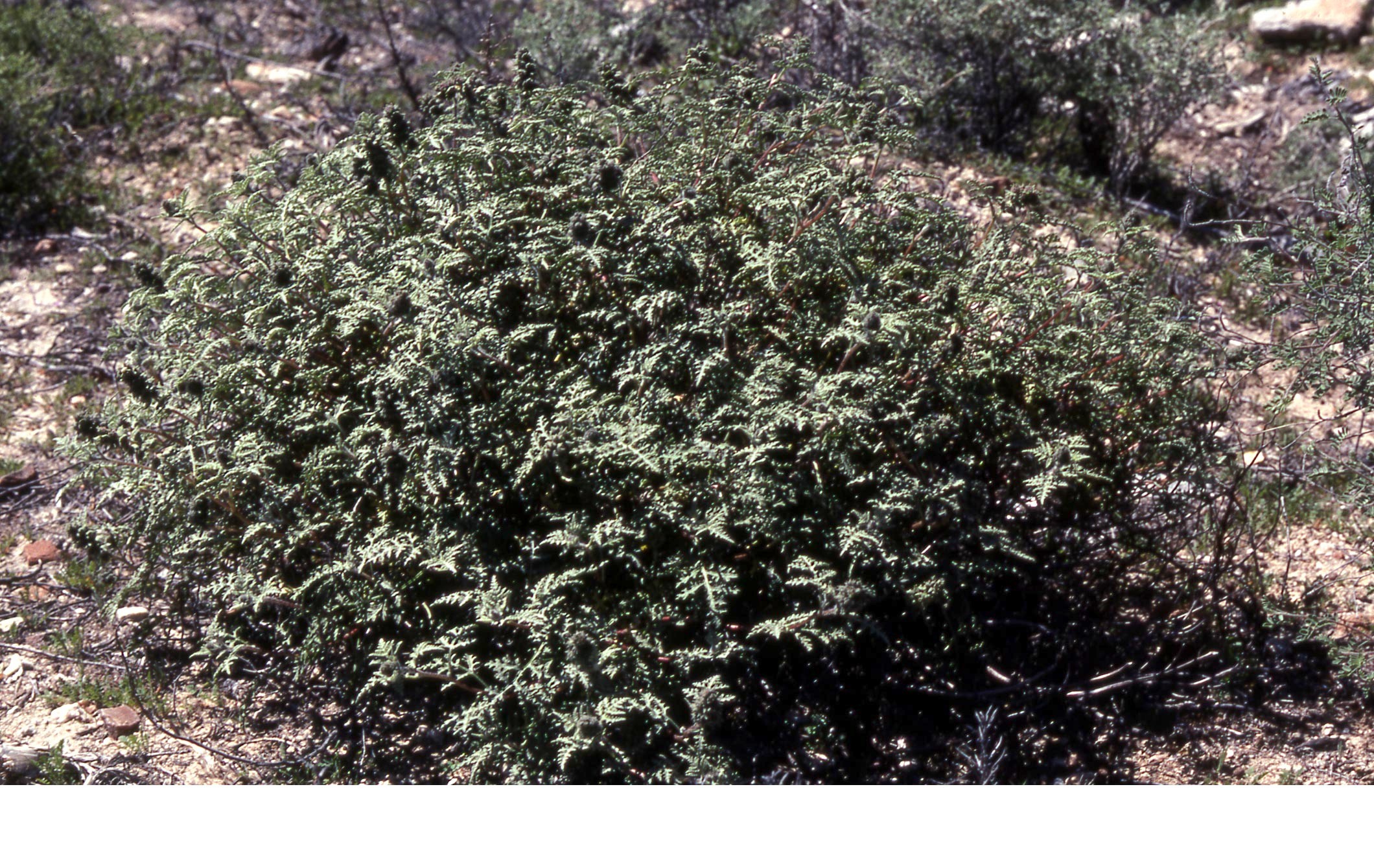
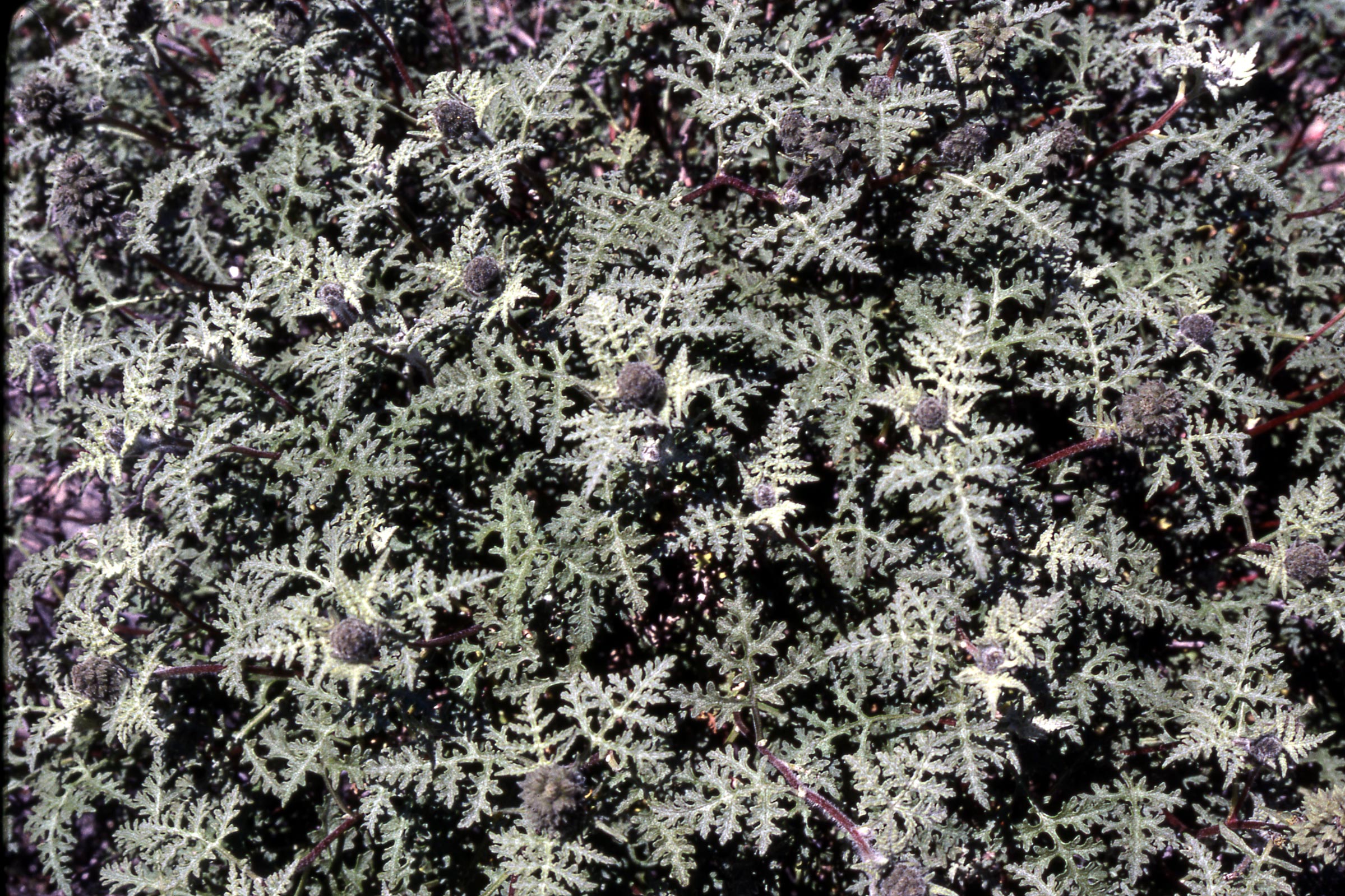
Ambrosia acanthicarpa |
Ambrosia acanthicarpa |
Ambrosia acanthicarpa |
|
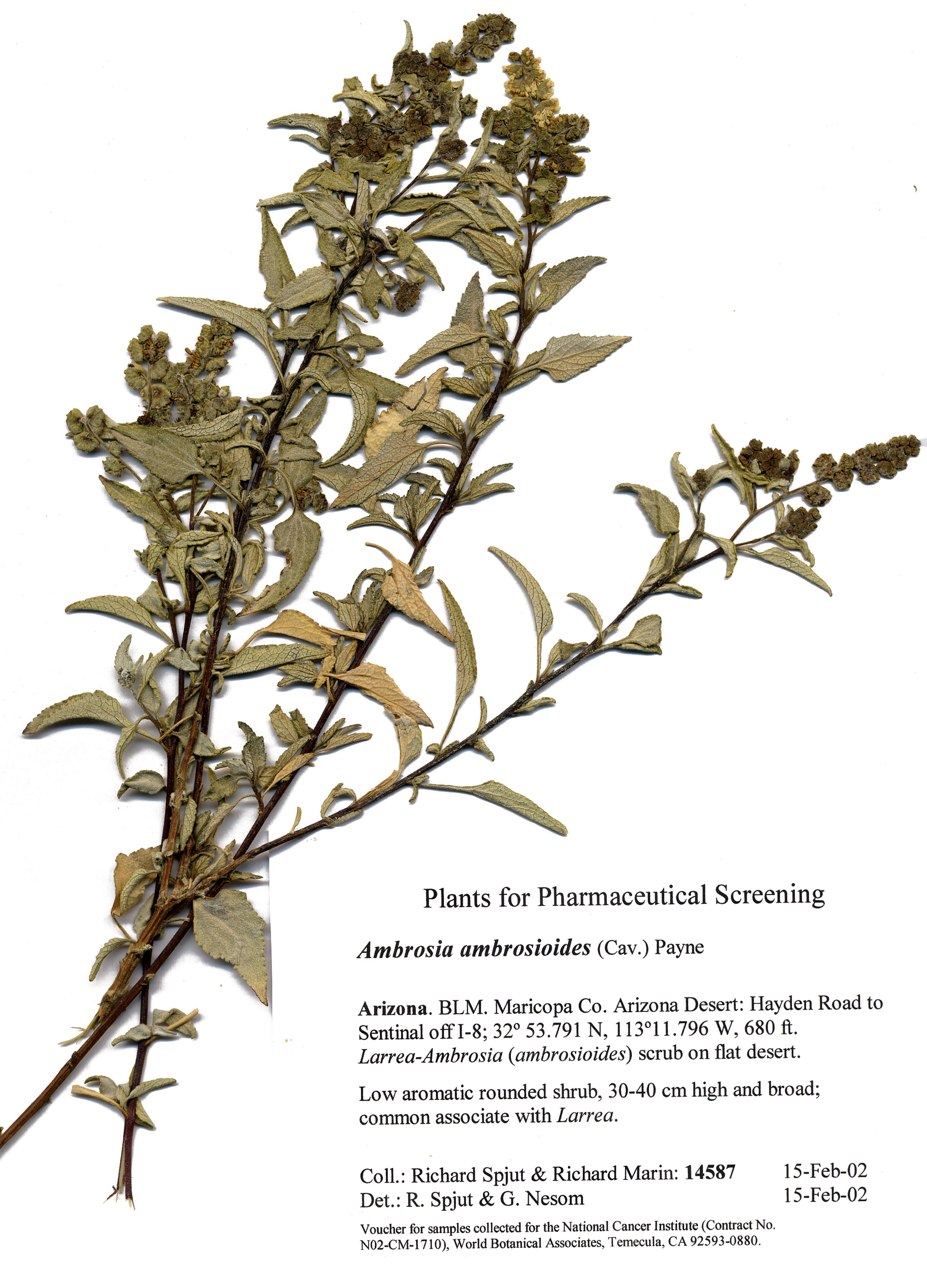
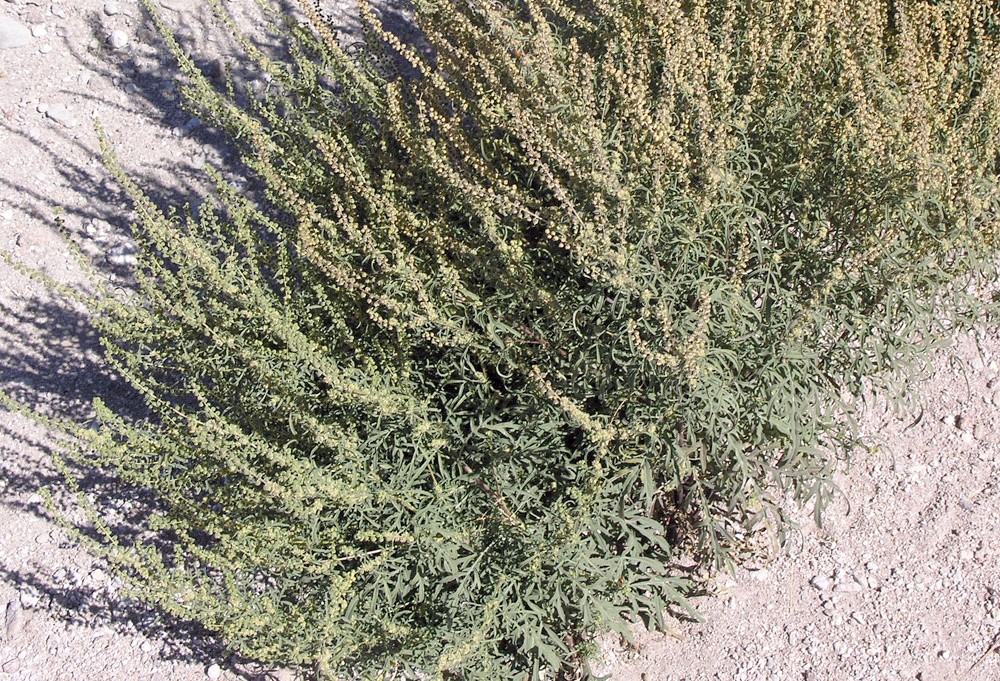
Ambrosia ambrosioides |
Ambrosia artemissifolia
|
Ambrosia bryantii
|
|
Ambrosia camphorata
|
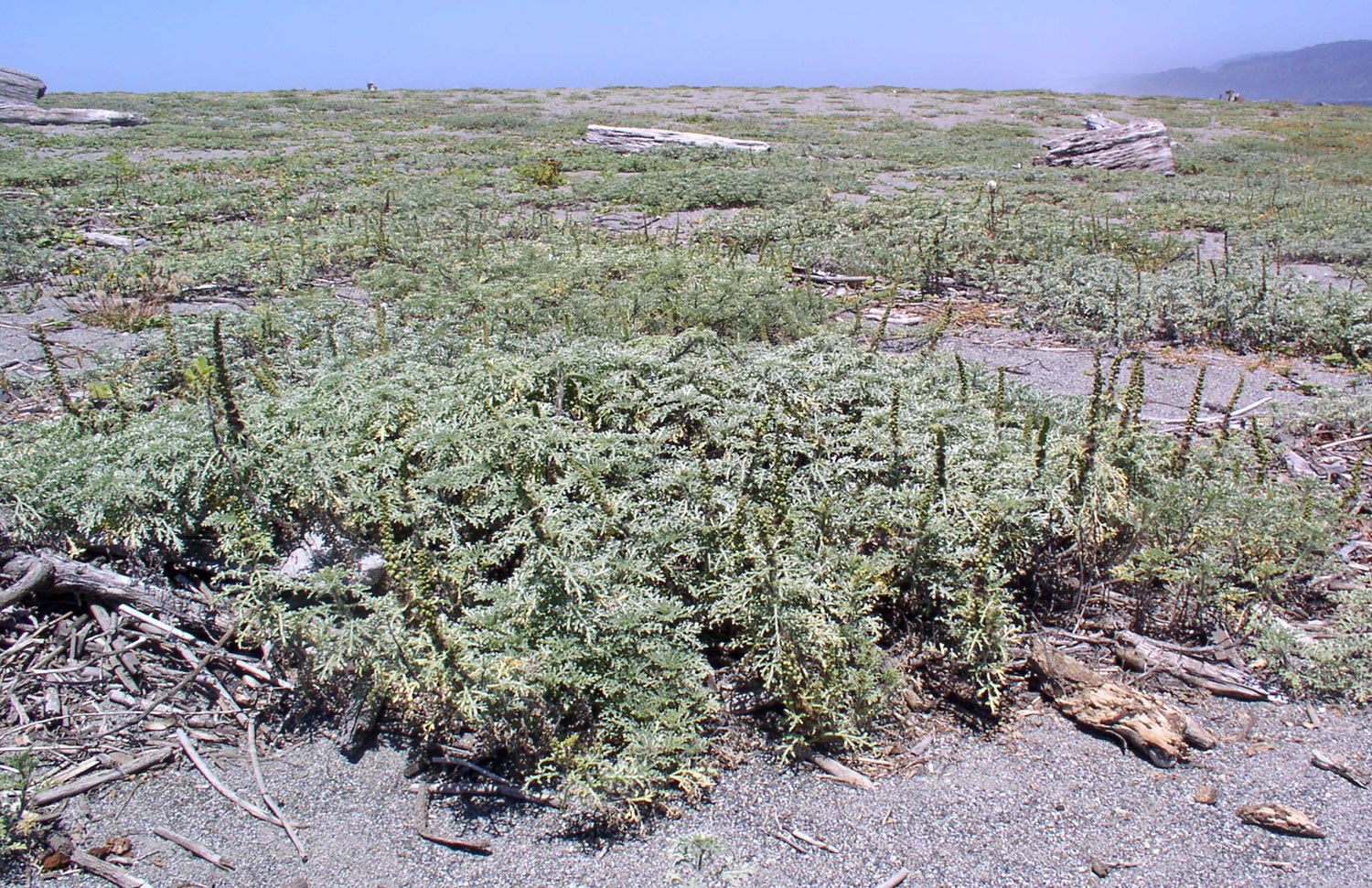
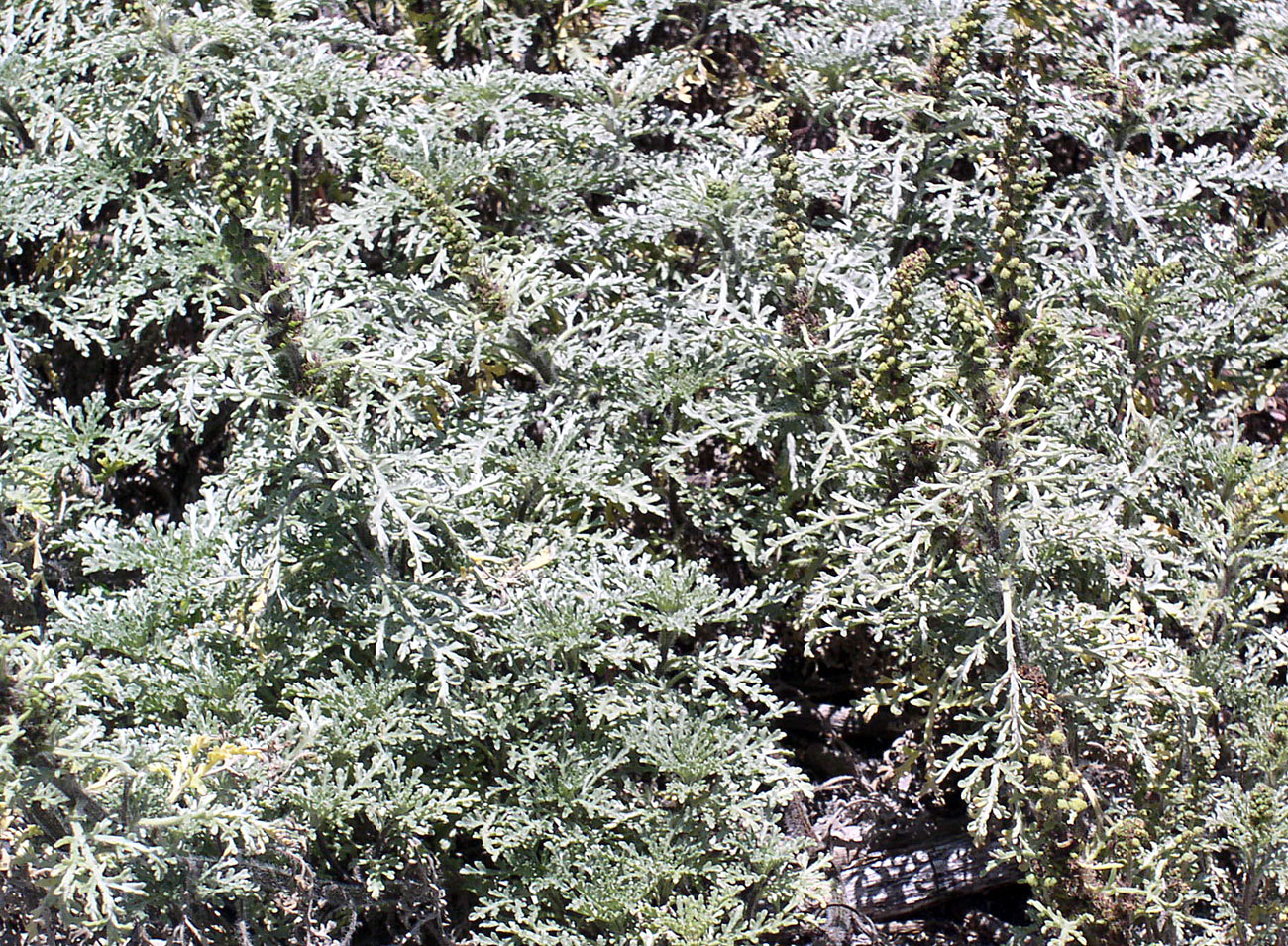
Ambrosia chamissonis
var. bipinnatisecta
|
Ambrosia chamissonis |
|
Ambrosia chamissonis
|
Ambrosia chenopodifolia |
Ambrosia deltoidea |
|
Ambrosia dumosa
|
Ambrosia eriocentra |
Ambrosia eriocentra |
Ambrosia
eriocentra
|
Ambrosia ilicifolia
|
|
|
Trees and Shrubs of Kern County (Sep 2012, July 2015) Key to Ambrosia species Fruit with short hairs; leaves compound........................... Ambrosia dumosa Fruit with long hairs; leaves shallowly to deeply lobed...... Ambrosia eriocentra
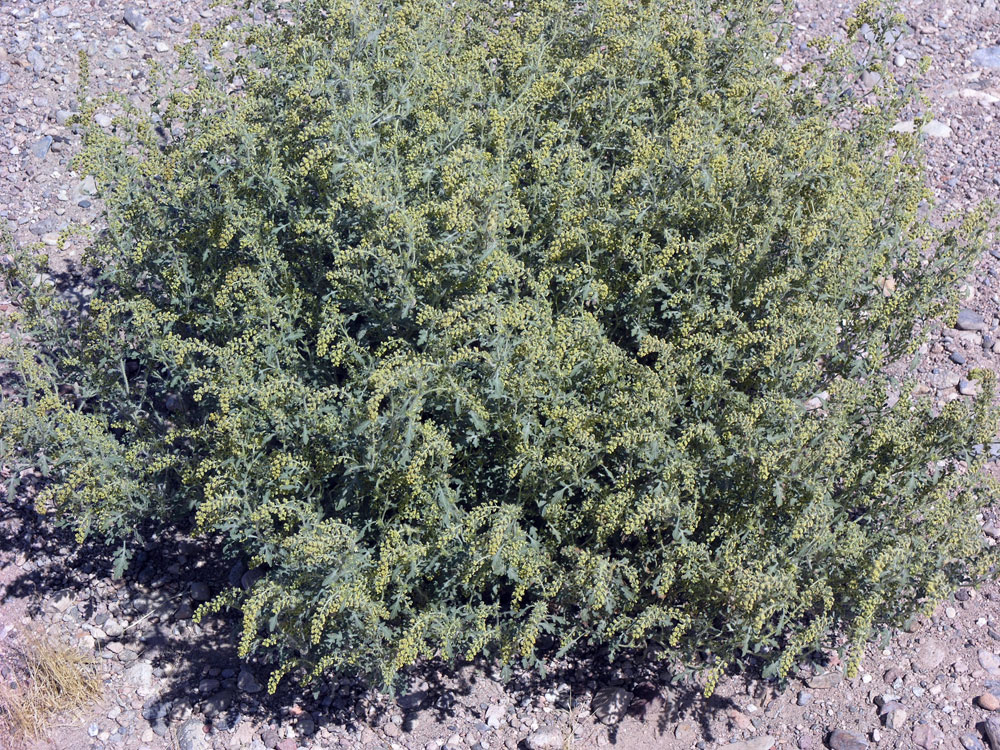
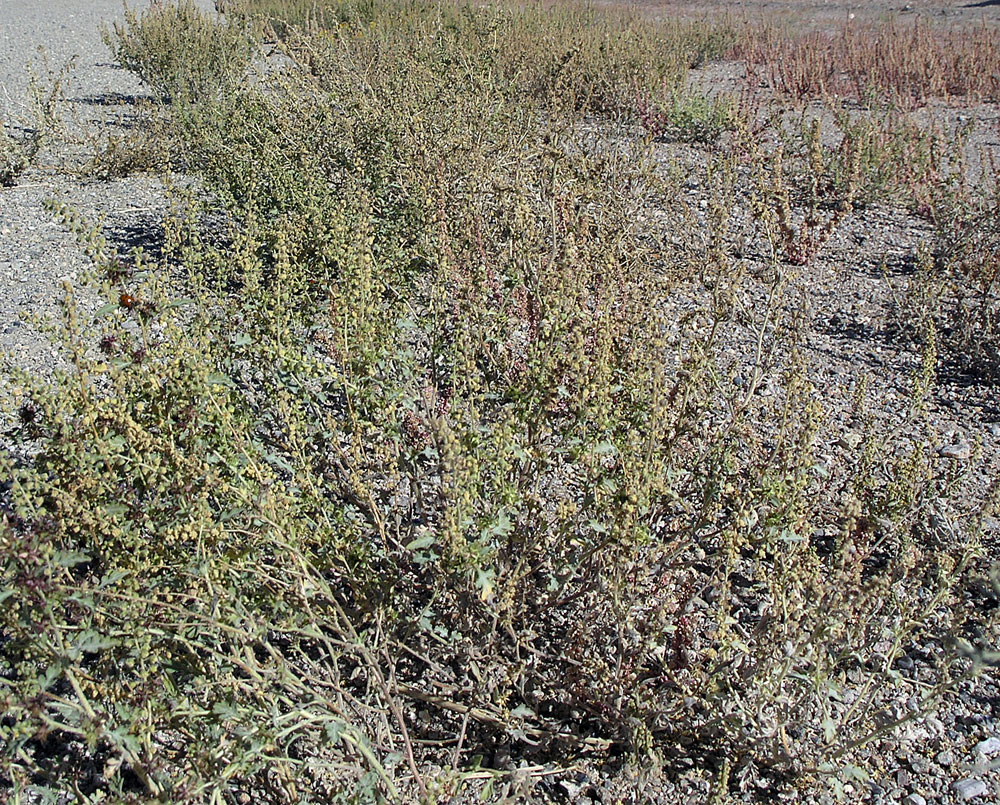
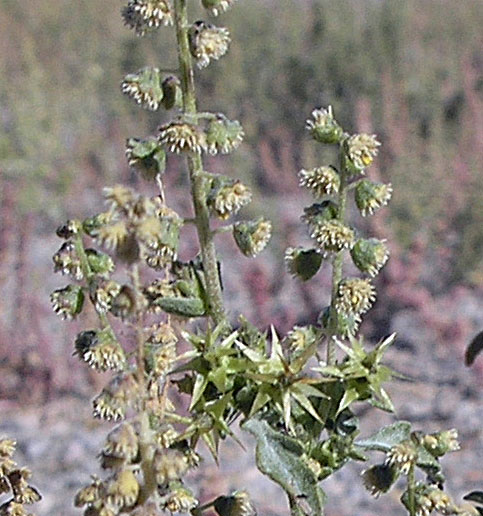
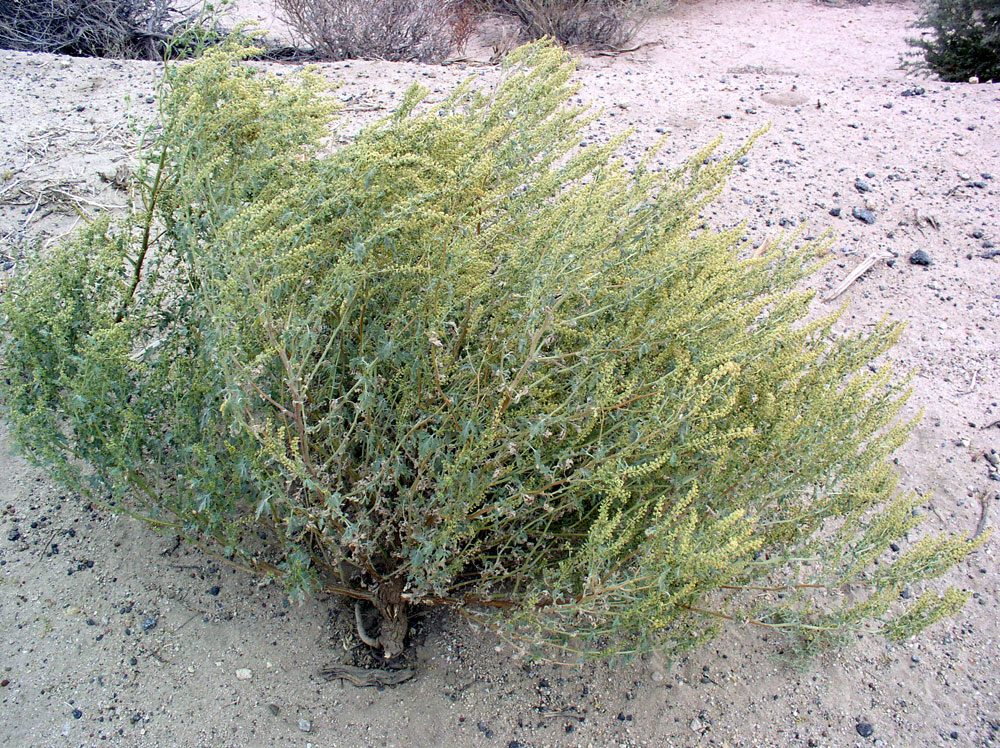
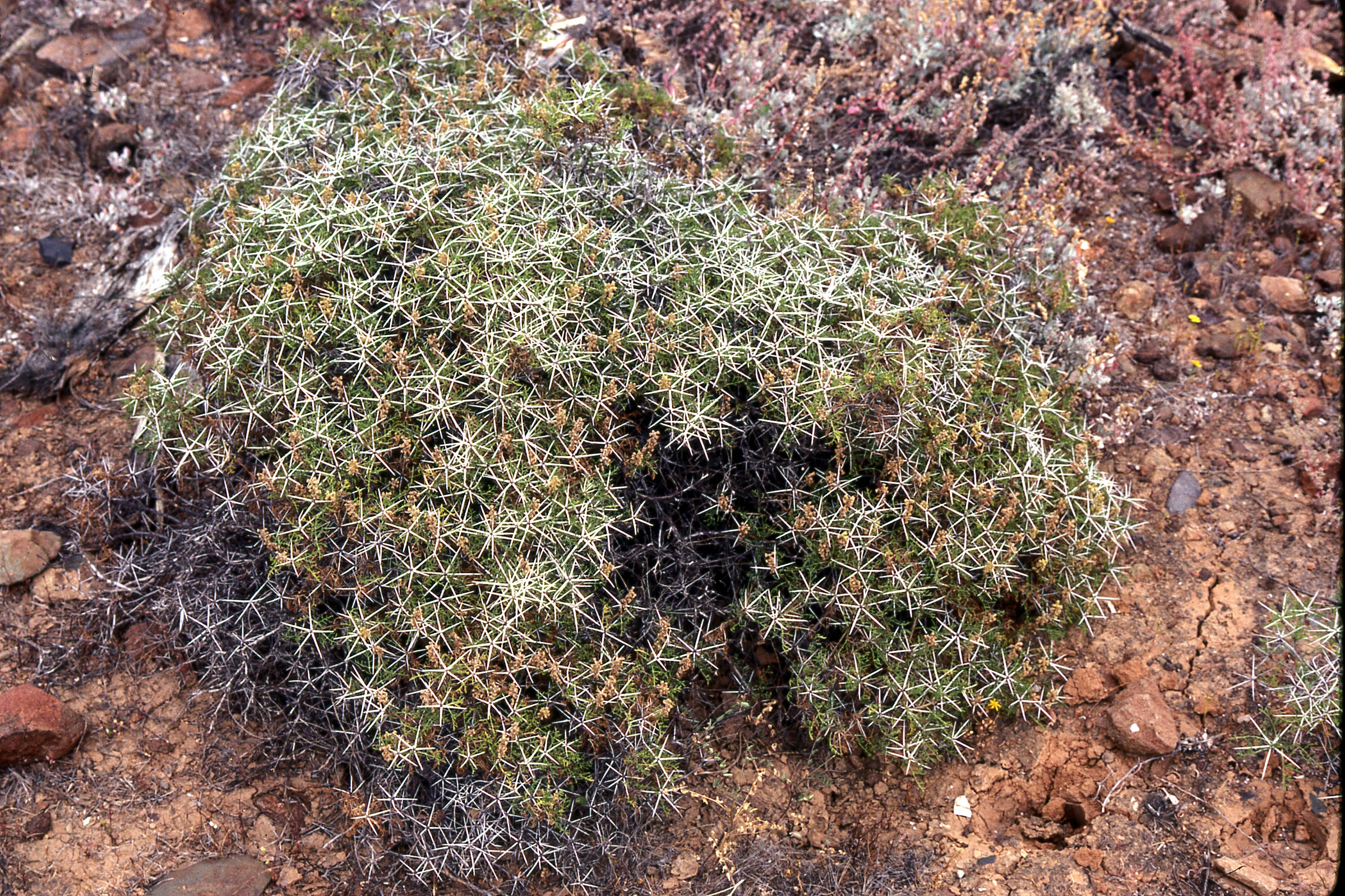
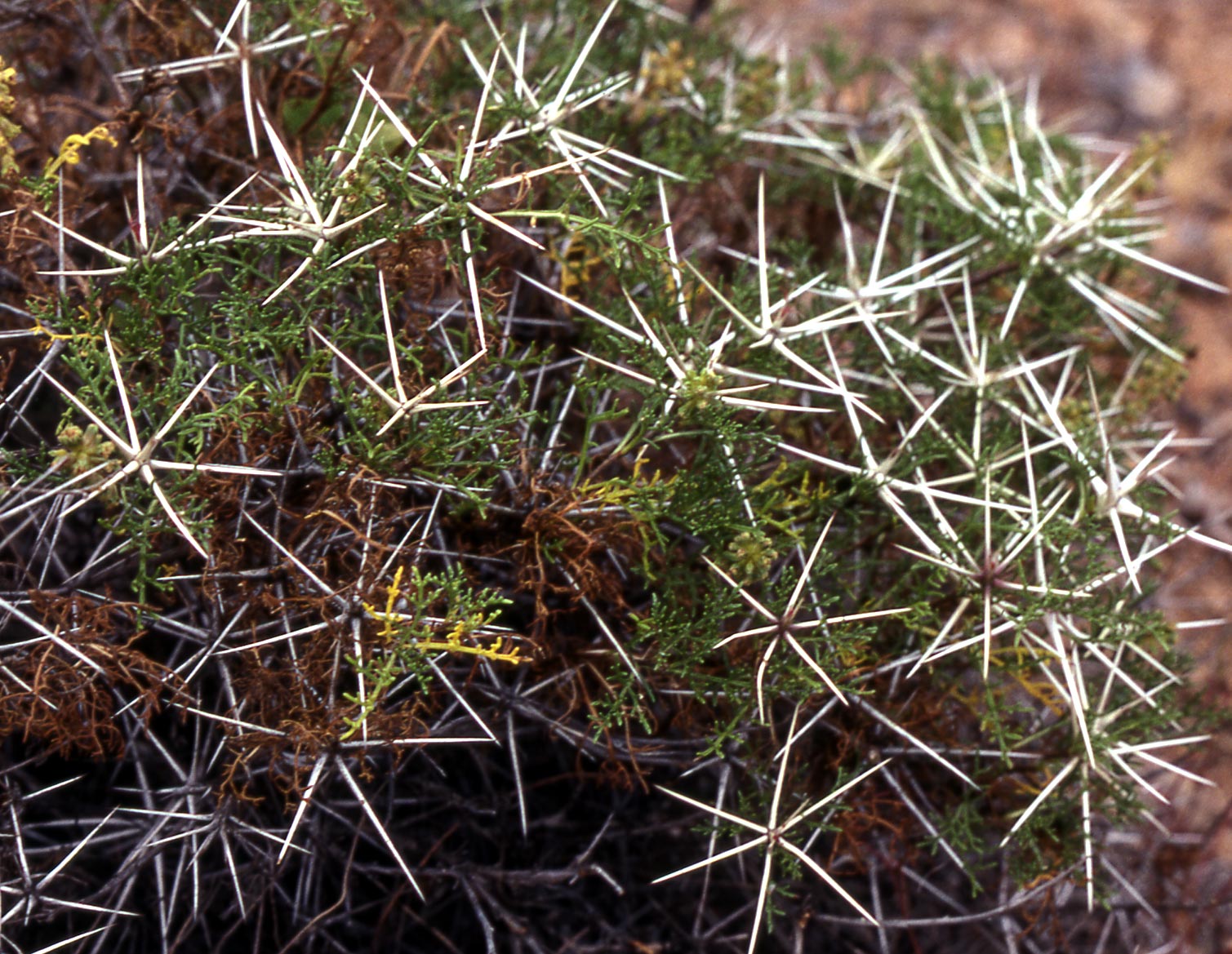
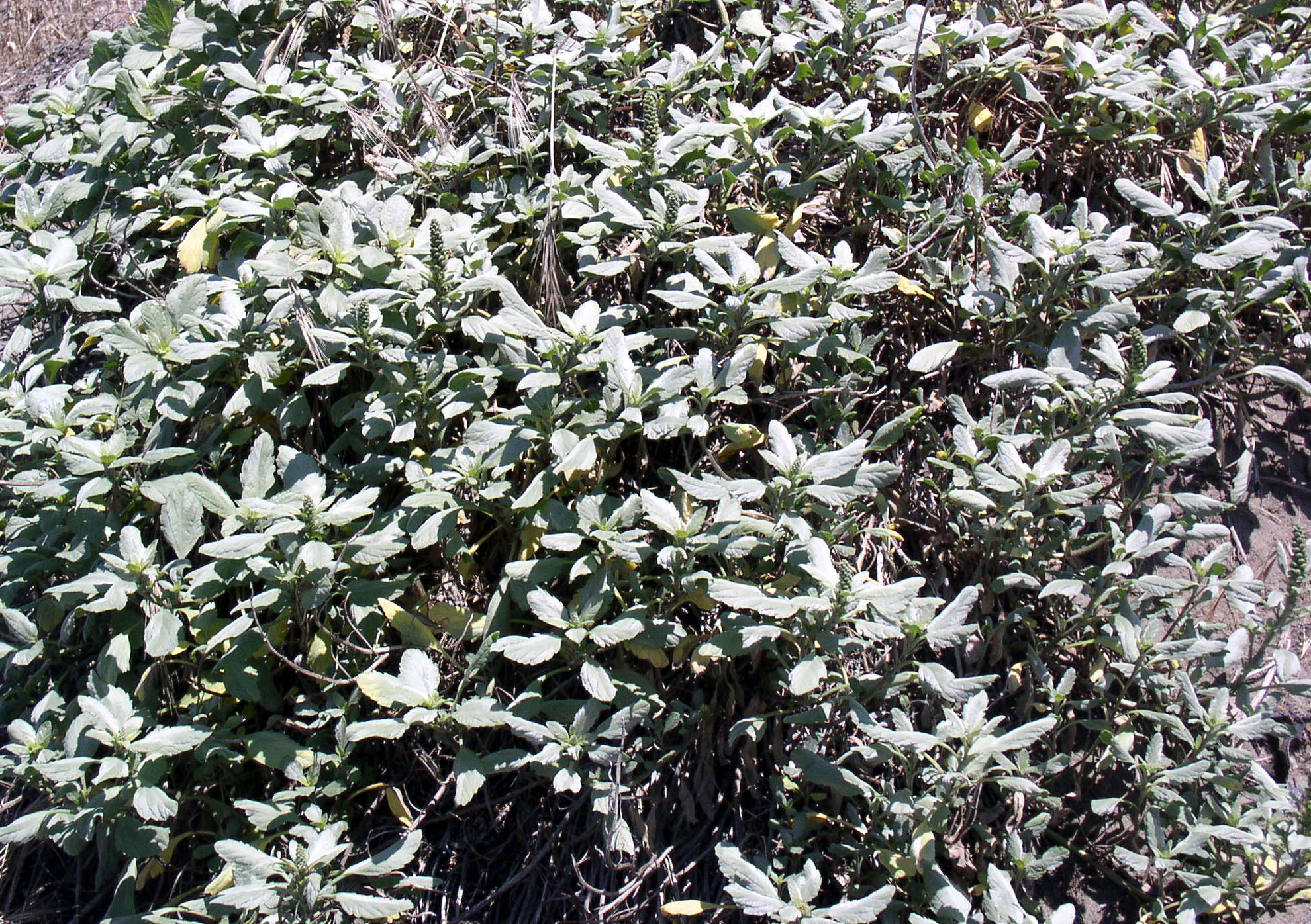
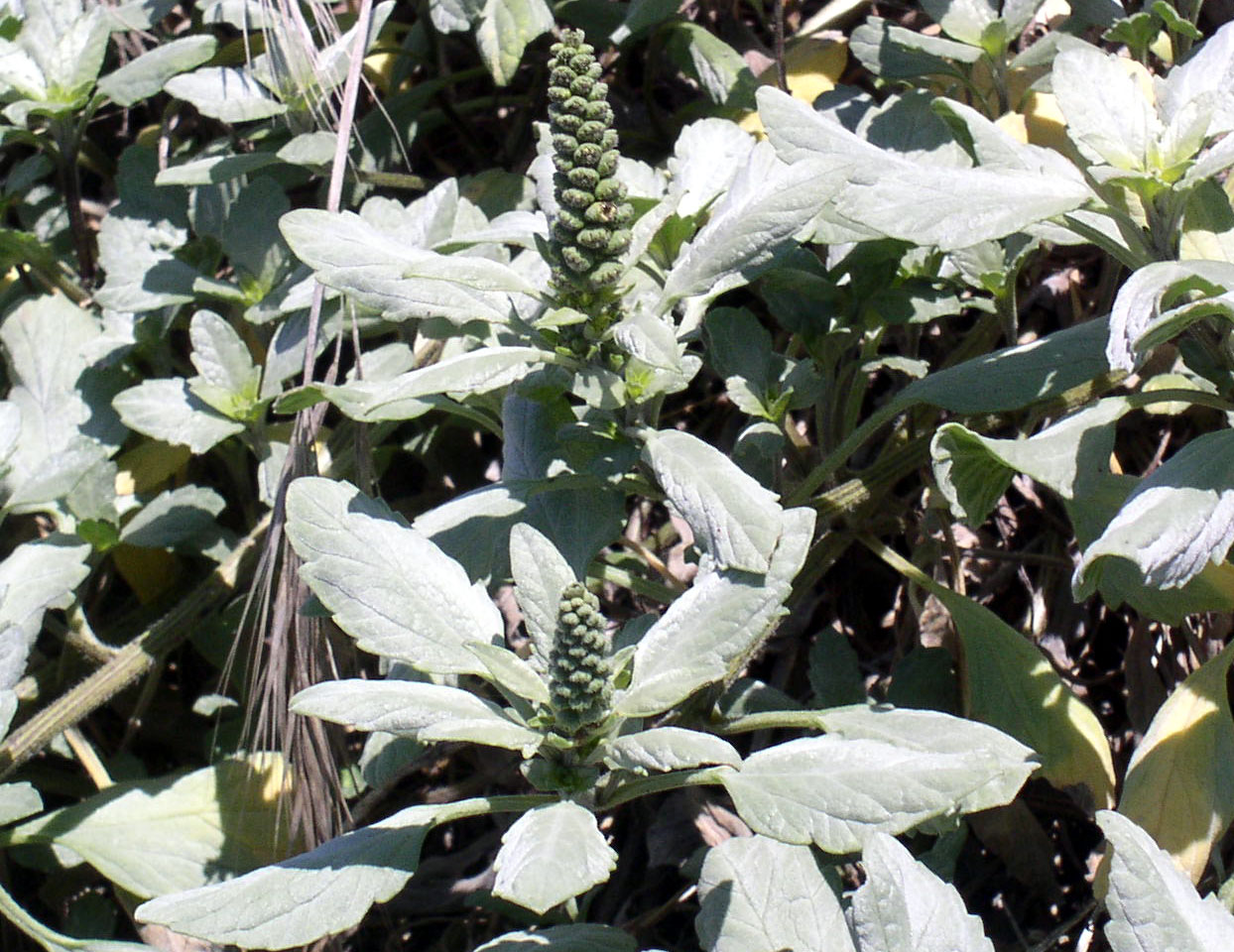
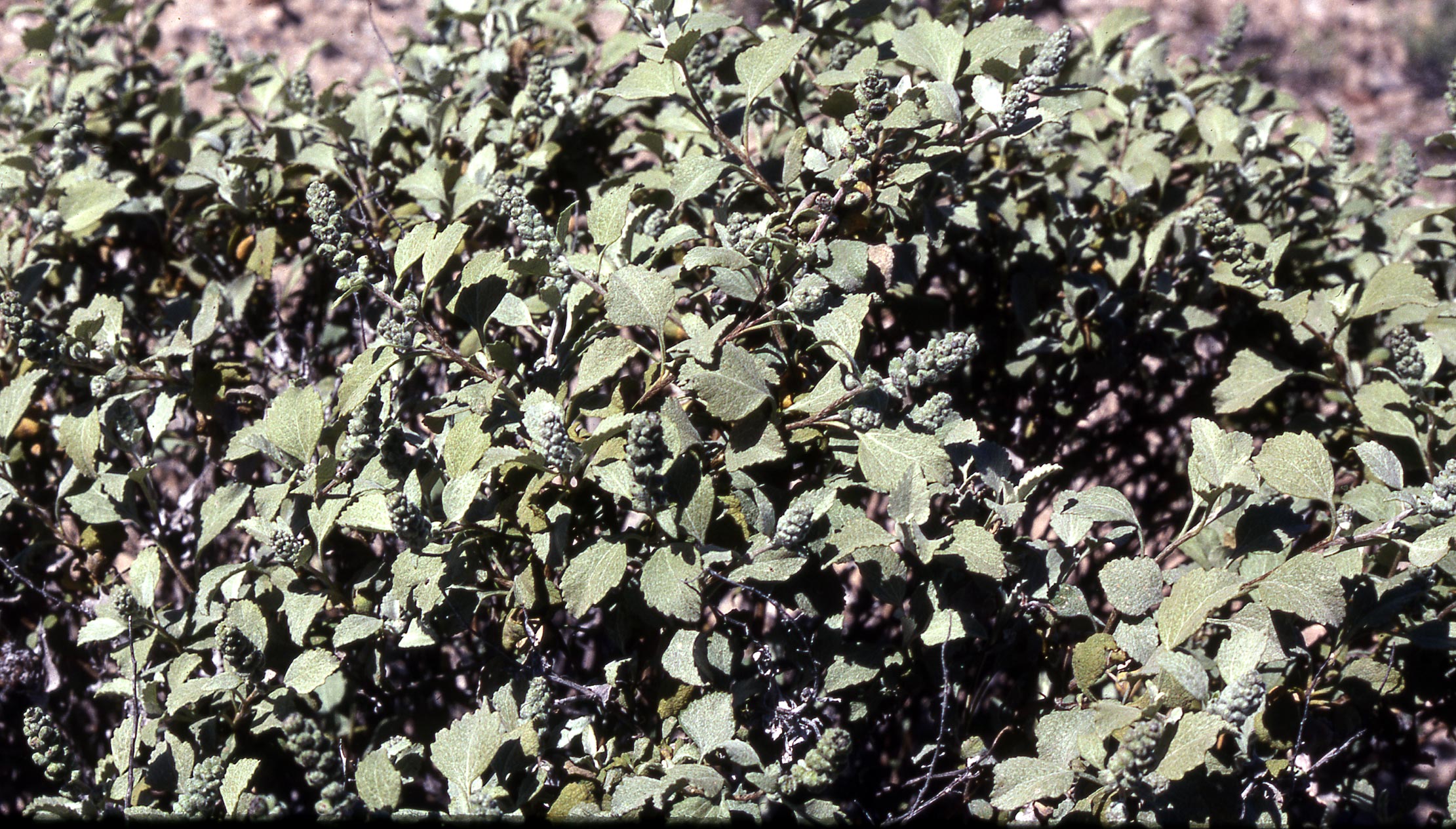
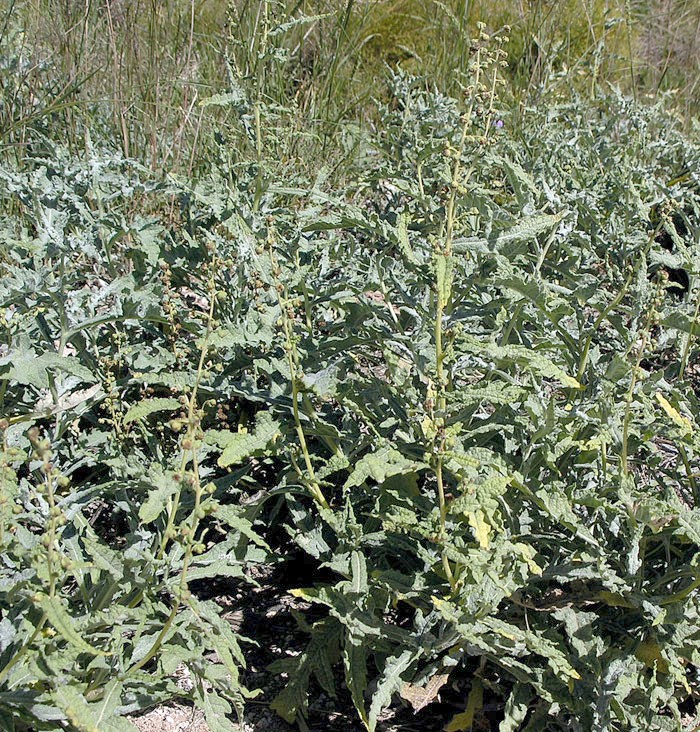
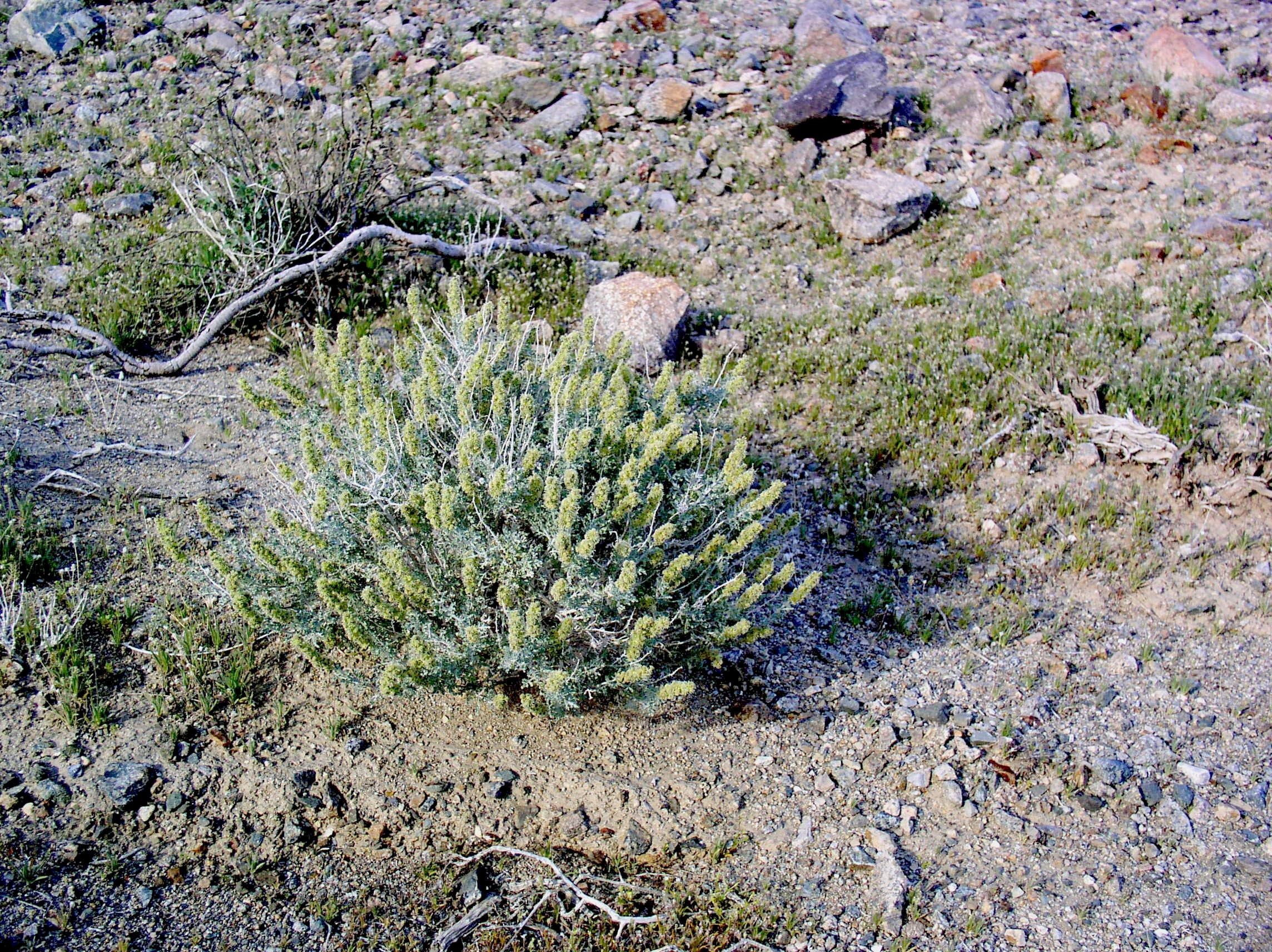
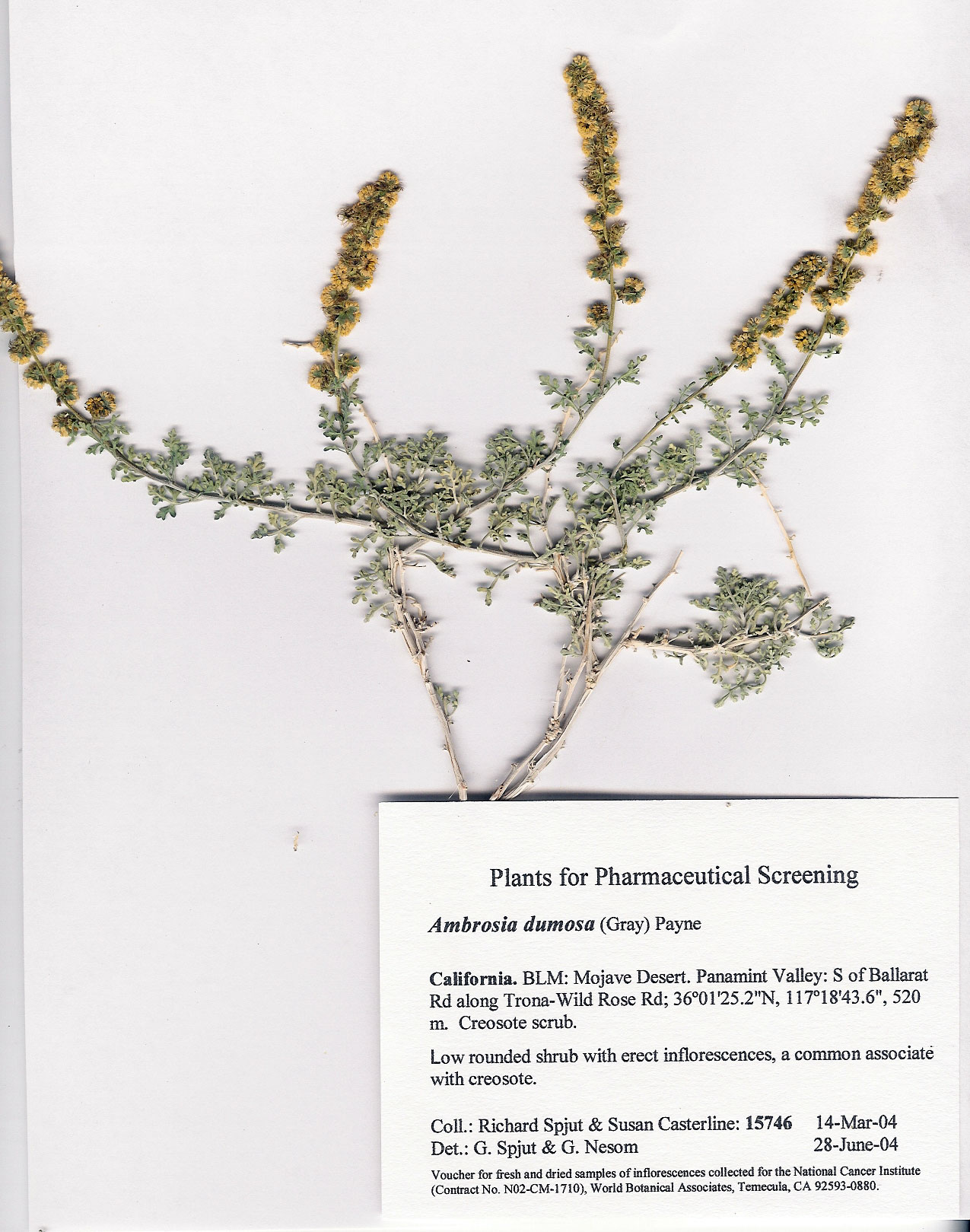
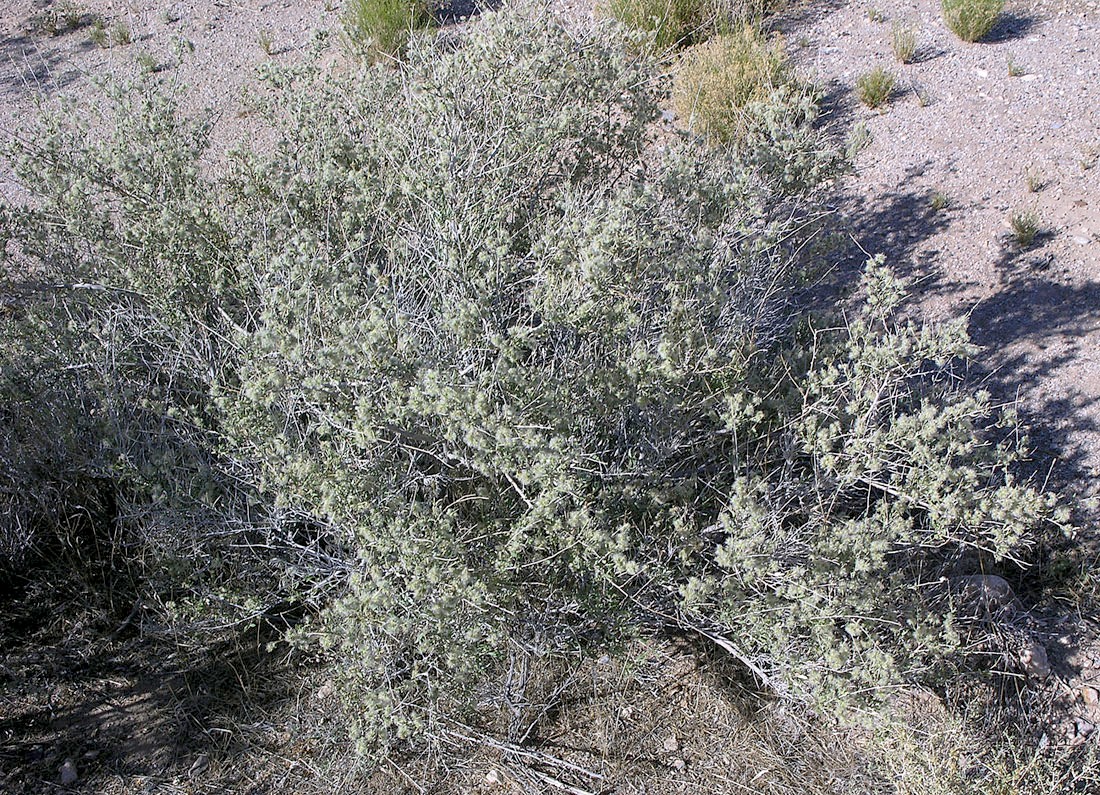
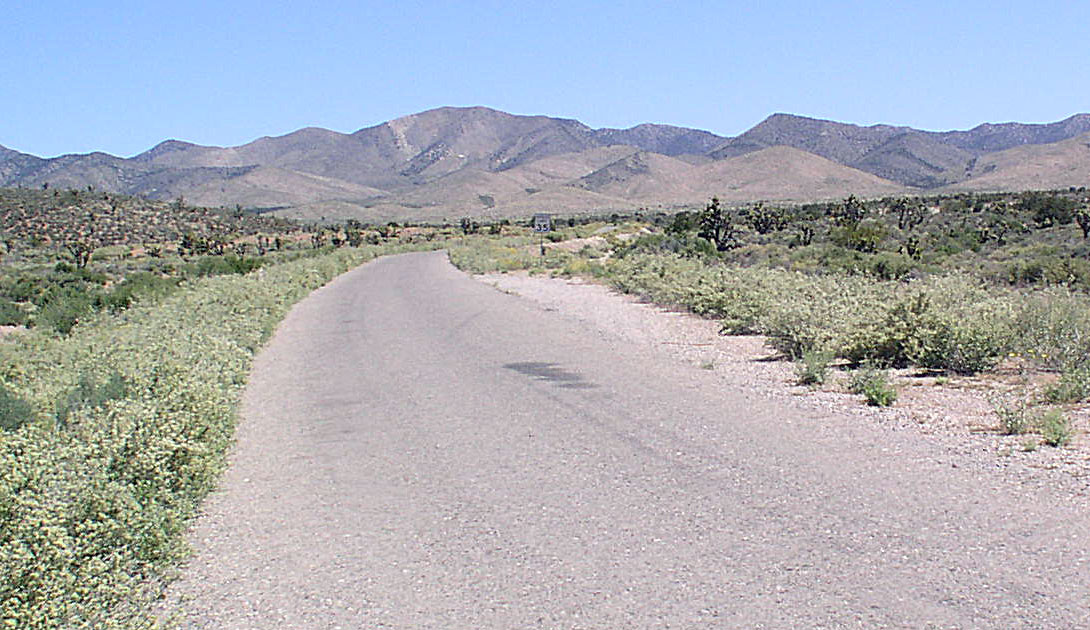
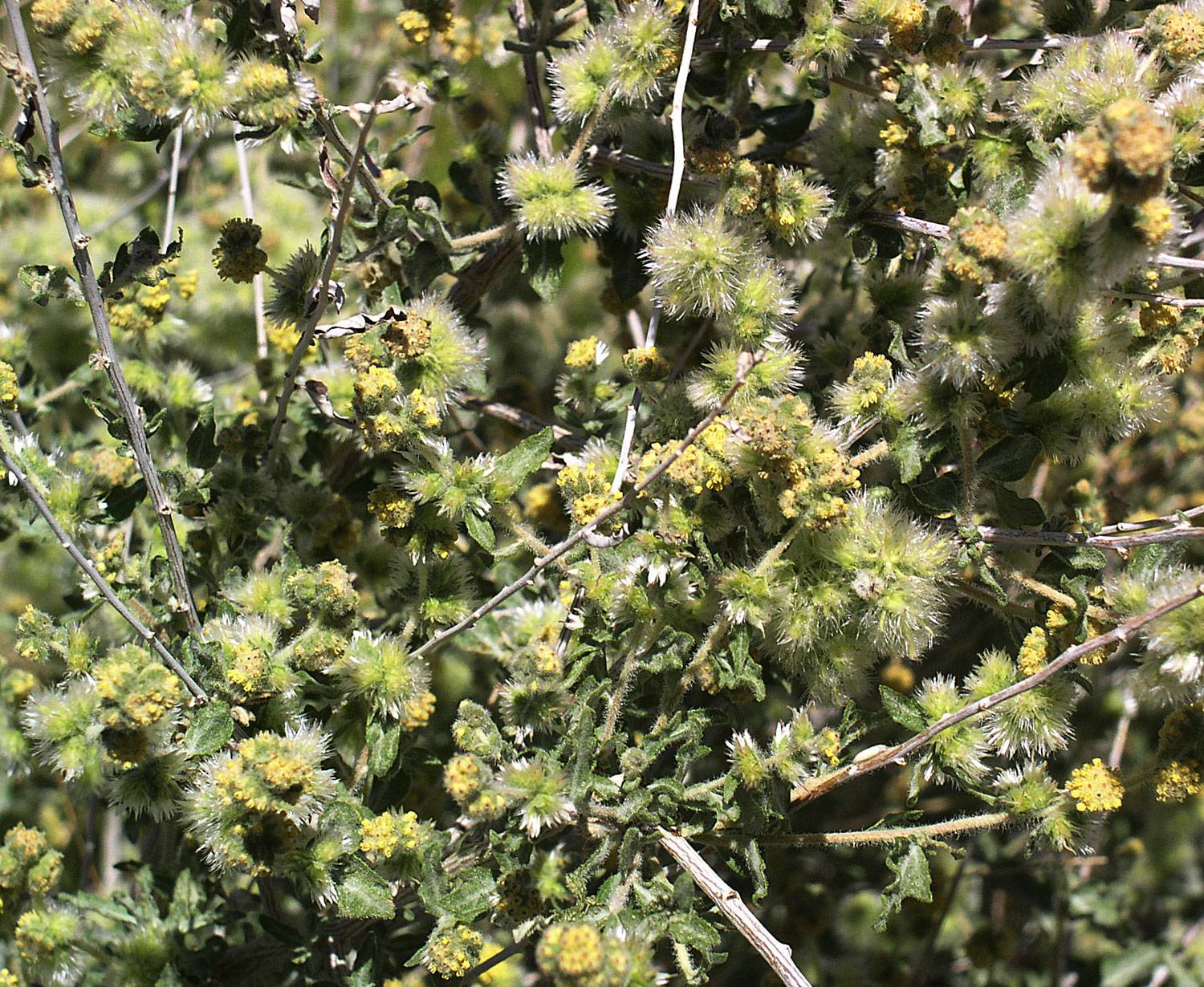
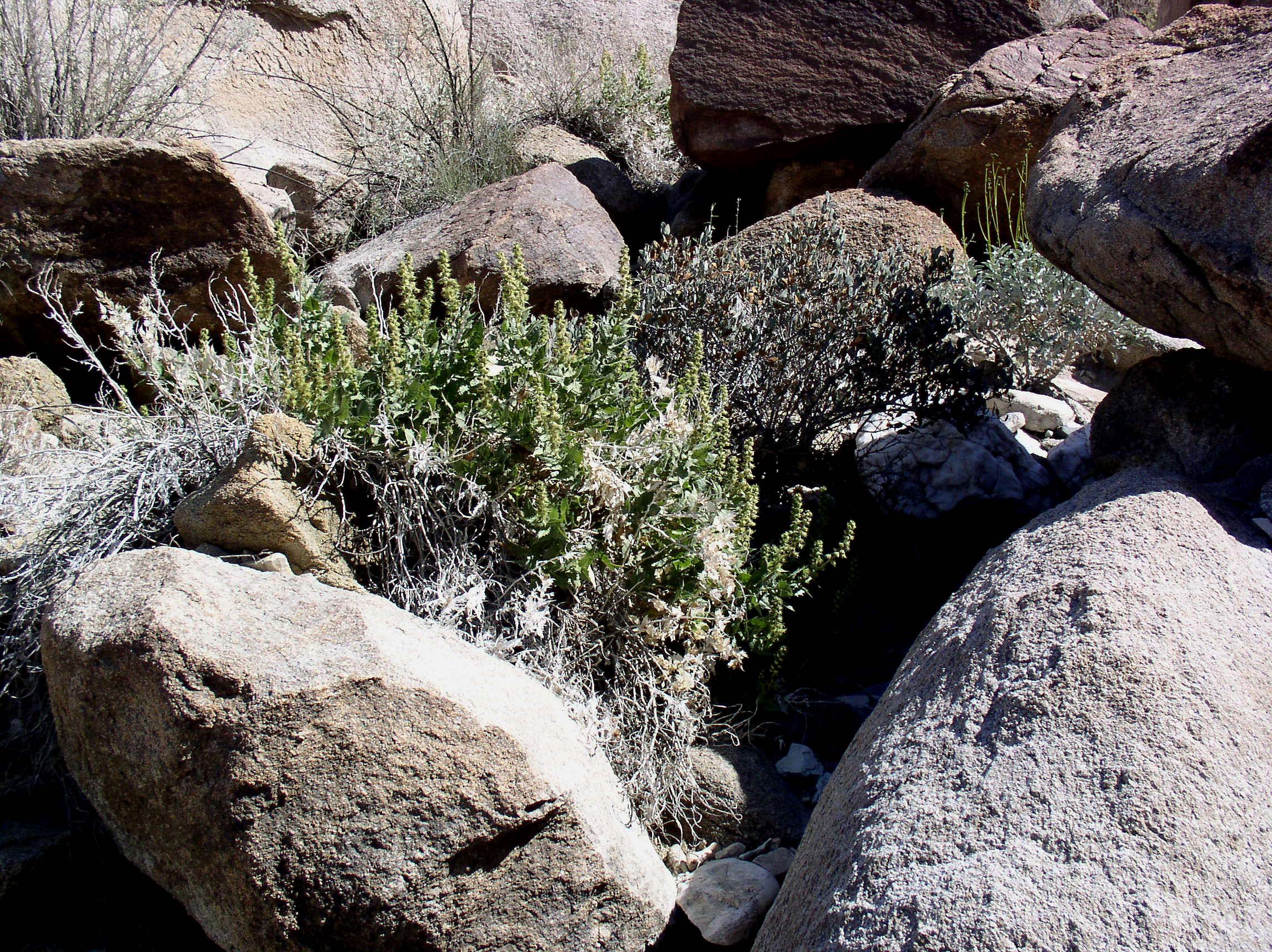
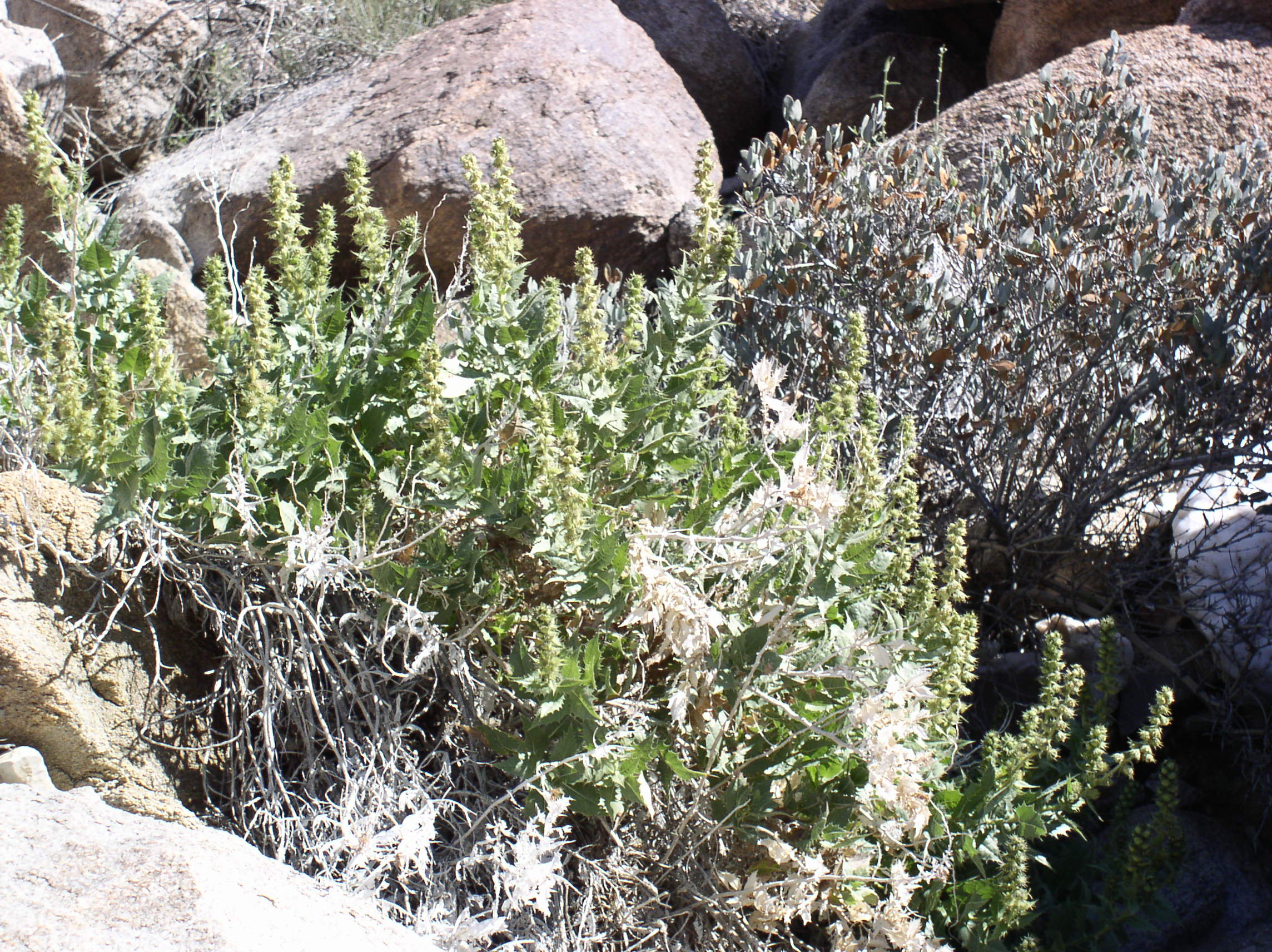
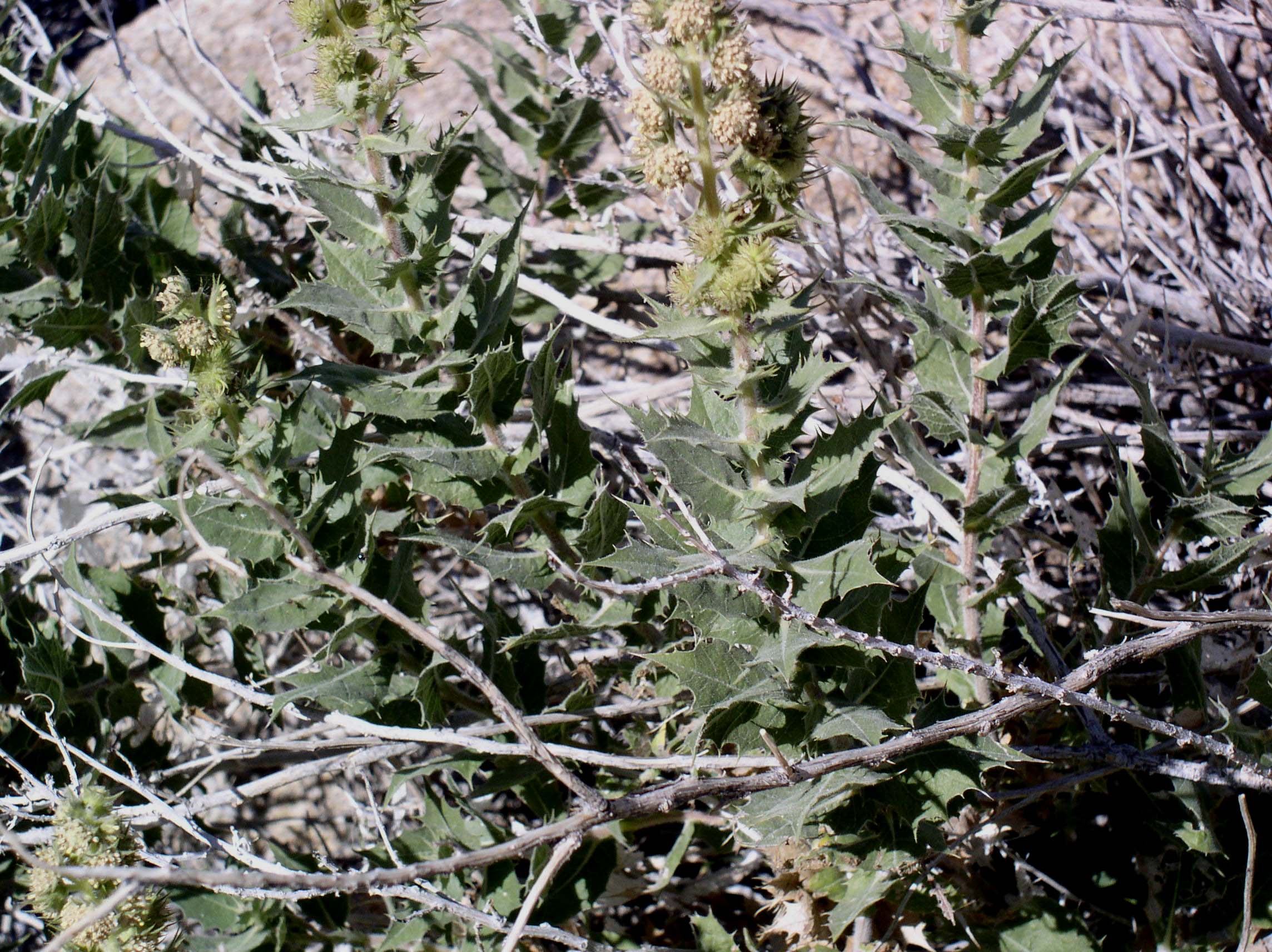
Ambrosia dumosa (Franseria dumosa A. Gray ex Torrey 1845) W.W. Payne 1964. Burro-bush, white bursage, epithet in reference to thorn bush. Low rounded shrub < 60 cm high and broad with many tangled branches, the branches short, white and stiff; leaves alternate, compound, < 4 cm, divided 1–3×, the leaflets variously lobed or indented; flowering in the spring and fall, the male flowers conspicuous in nodding umbrella-like heads (like the head of a shower faucet) along a terminal peduncle, arranged in a catkin-like spike, the female spiny involucres (catoclesia) among the male heads, soft spiny when immature, soon hard prickly and persistent, enclosing 1 or 2 pericarpia. A common associate of the creosote desert, or sometimes more common than creosote. White bursage scrub recognized in MCV2 when greater than twice the cover of creosote; also in Arizona, Nevada, Utah and northwestern Mexico. Type from sandy uplands of the Mojave River, CA. Kern Co.: Mojave Desert and desert slopes of Sierra Nevada and ranges to the south, 594–1,159 m (CCH). Ambrosia cf. eriocentra (Franseria eriocentra A. Gray 1868) W. W. Payne 1964. Woolly bursage. Aromatic shrub 1–2 m; stems spreading near base, erect above, white barked, longitudinally furrowed; leaves alternate, triangular in part, from above mid region to near base where gradually narrowed to short or obsolete petiole, irregularly shallowly to deeply toothed or lobed, the margins often appearing wavy and recurved to revolute, green above, whitish below with curly hairs except along veins. Flowering Apr–Jul; flower heads many in a linear array along a terminal part of branch, close together but not always touching one another, the cup-shaped involucres curved outward to nodding downwards, female and male flowers in separate heads, males with up to 30 flowers, females 1-flowered; fruit (catoclesium) with narrow triangular spines 2.5–4.5 mm, arising from an ellipsoid body, and with woolly and glandular-tipped hairs. Gravel slopes, sandy washes, creosote and blackbrush scrub to pinyon-juniper scrub woodland, below 6,000 ft; southwestern Utah across southern Nevada to eastern California Mojave Desert, and south to central Arizona. Type from the Providence Mts., CA. Kern Co.: Photographed by Spjut in flower (6 May 2011) just below the pinyon juniper woodland along Hwy 178, possibly a disjunct occurrence for the species in the California Mojave Desert.
References on Pharmacological Activity in Ambrosia Sülsen V.P., S. I. Cazorla, F. M. Frank, L.C. Laurella, L.V. Muschietti, C.A. Catalán, V.S. Martino, and E. L. Malchiodi. 2013. Natural terpenoids from Ambrosia species are active in vitro and in vivo against human pathogenic trypanosomatids. PLoS Negl Trop Dis. Oct 10;7(10):e2494. Sülsen V. P., S. I. Cazorla, F. M. Frank, F. C. Redko, C. A. Anesini, J. D. Coussio, E. L. Malchiodi V. S. Martino and L. V. Muschietti. 2007. Trypanocidal and leishmanicidal activities of flavonoids from Argentine medicinal plants. Am. J. Trop. Med. Hyg. 77(4): 654-659. “In vitro trypanocidal and leishmanicidal activities of the flavonoids hispidulin, from Ambrosia tenuifolia, and santin, from Eupatorium buniifolium, are reported. A sensitive technique that takes advantage of ((3)H)thymidine uptake by dividing trypanosomatids has been adjusted for quantification of the parasiticidal effect of the natural products. The IC(50) values for hispidulin and santin on Trypanosoma cruzi epimastigotes were 46.7 and 47.4 muM, respectively. On trypomastigotes, the IC(50) values were 62.3 microM for hispidulin and 42.1 microM for santin. Hispidulin was more active than santin on promastigotes of Leishmania mexicana (IC(50) = 6.0 microM versus 32.5 microM). No cytotoxic activity was observed on lymphoid cells, making hispidulin and santin potential lead compounds for the development of new natural drugs. This is the first report on the trypanocidal and leishmanicidal activities of these flavonoids and on the presence of santin in E. buniifolium.” Wang P., C. H. Kong and C. X. Zhang. 2006. Chemical composition and antimicrobial activity of the essential oil from Ambrosia trifida L. Molecules. 11(7): 549–555. “The essential oil obtained by steam distillation of dried aerial parts of Ambrosia trifida L. from Northeast China was analyzed by GC and GC-MS. The essential oil yield based on dried plant material was 0.12% and thirty-five compounds (corresponding to 86.7% of the total weight) were identified. The main components were: bornyl acetate (15.5%), borneol (8.5%), caryophyllene oxide (8.3%), alpha-pinene (8.0%), germacrene D (6.3%), beta-caryophyllene (4.6%), trans-carveol (2.9%), beta-myrcene (2.6%), camphor (2.4%) and limonene (3.2%). A. trifida essential oil demonstrated bactericidal and fungicidal activity against six bacterial strains and two fungal strains, using the agar diffusion method.” |
||