|
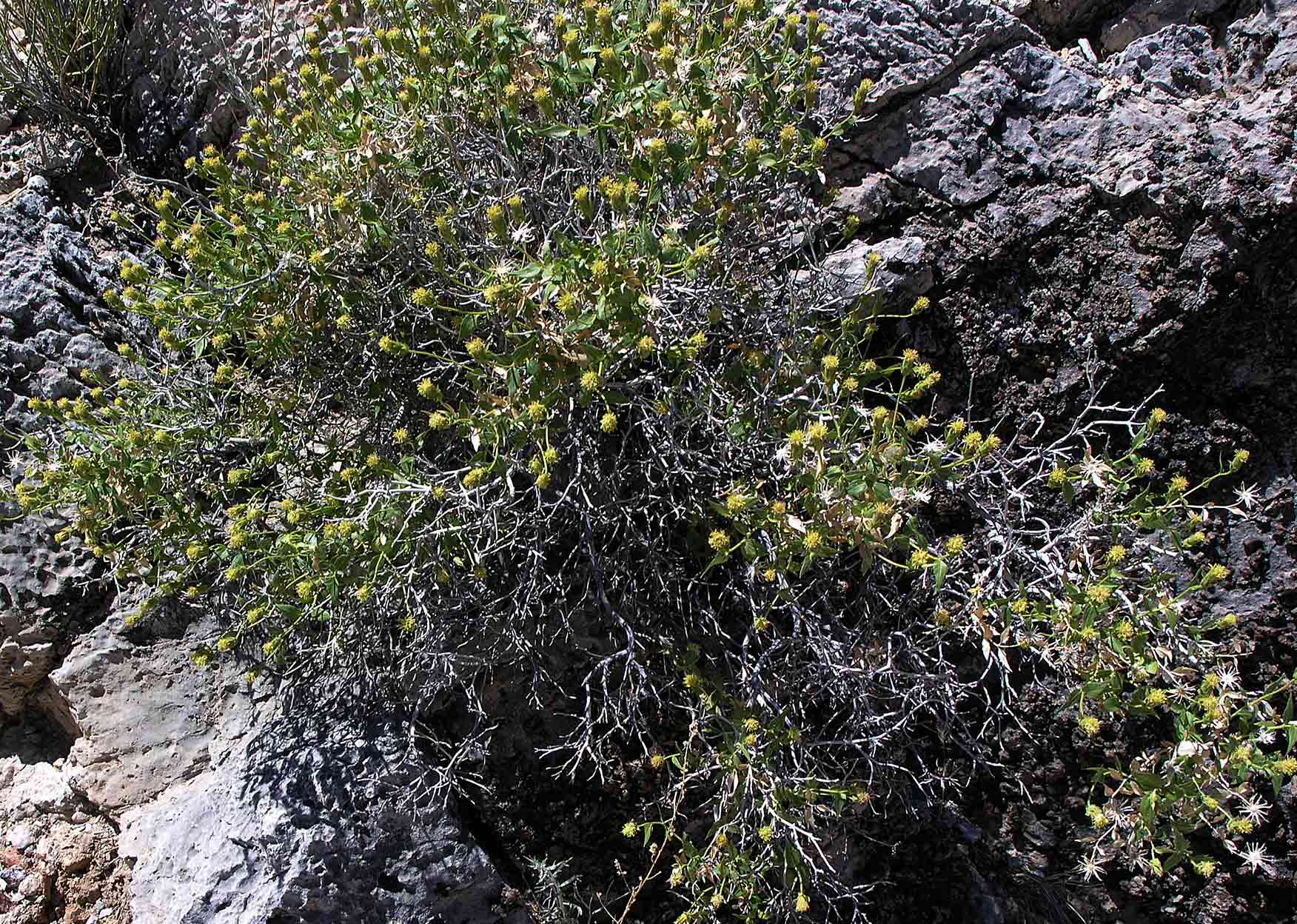
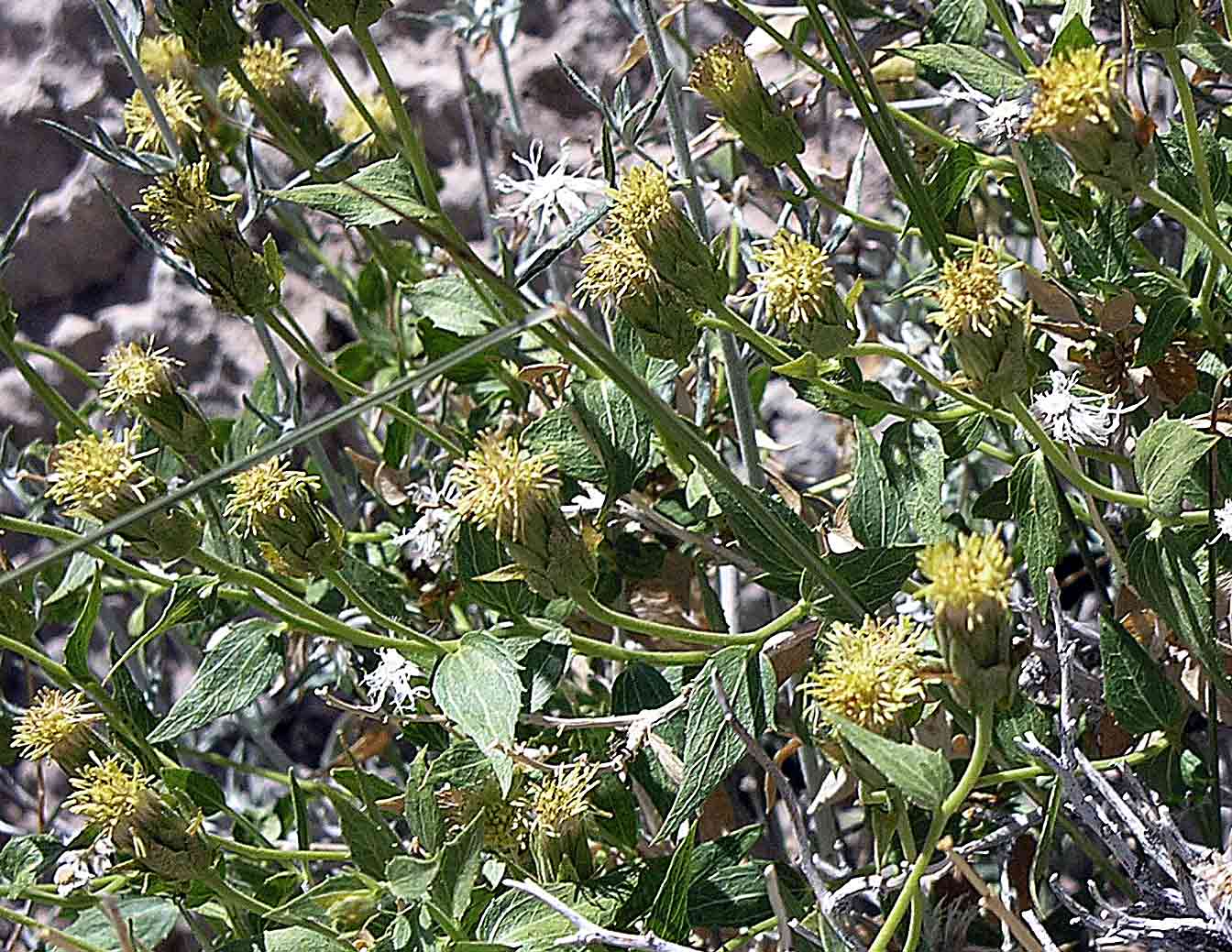
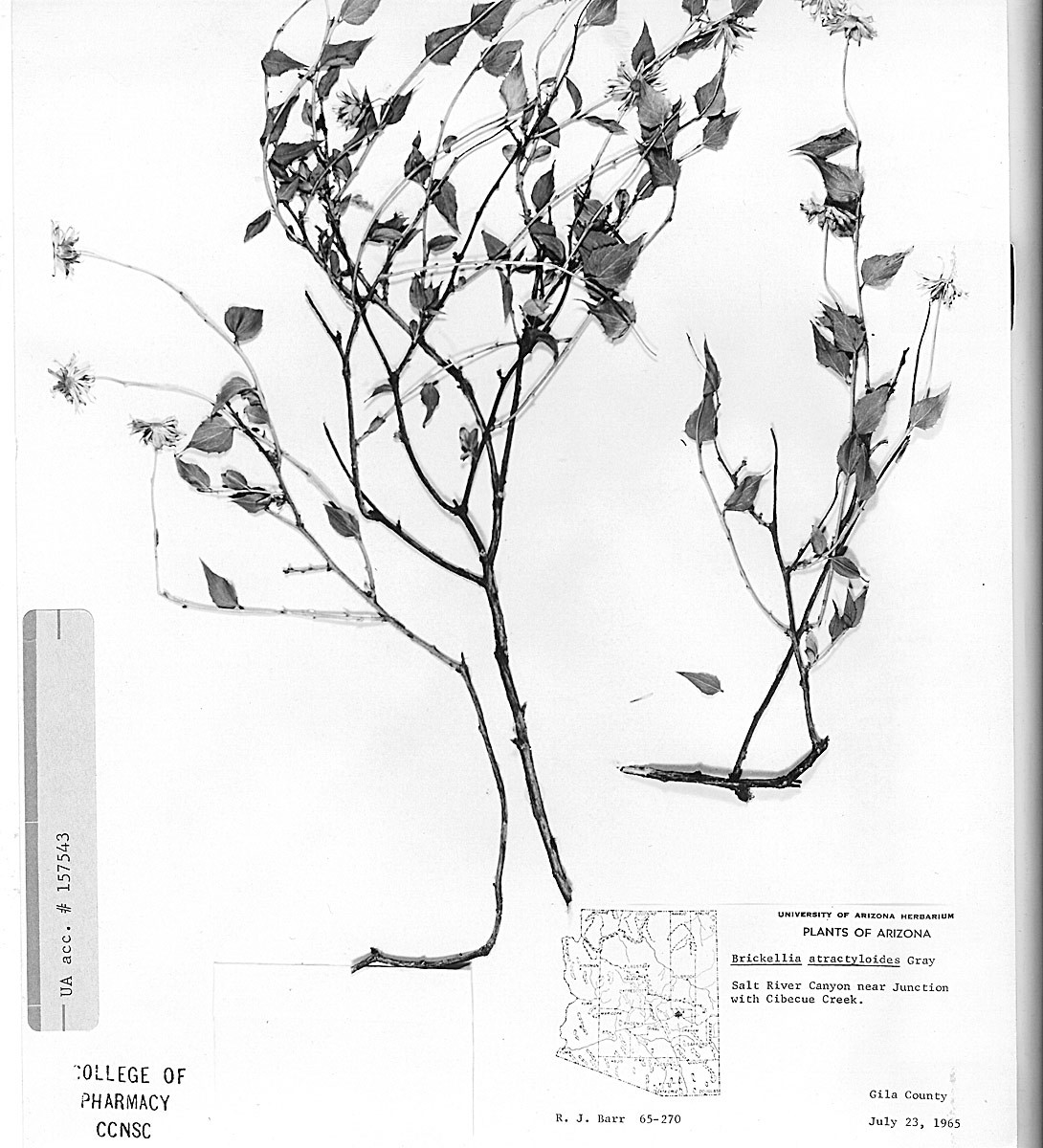
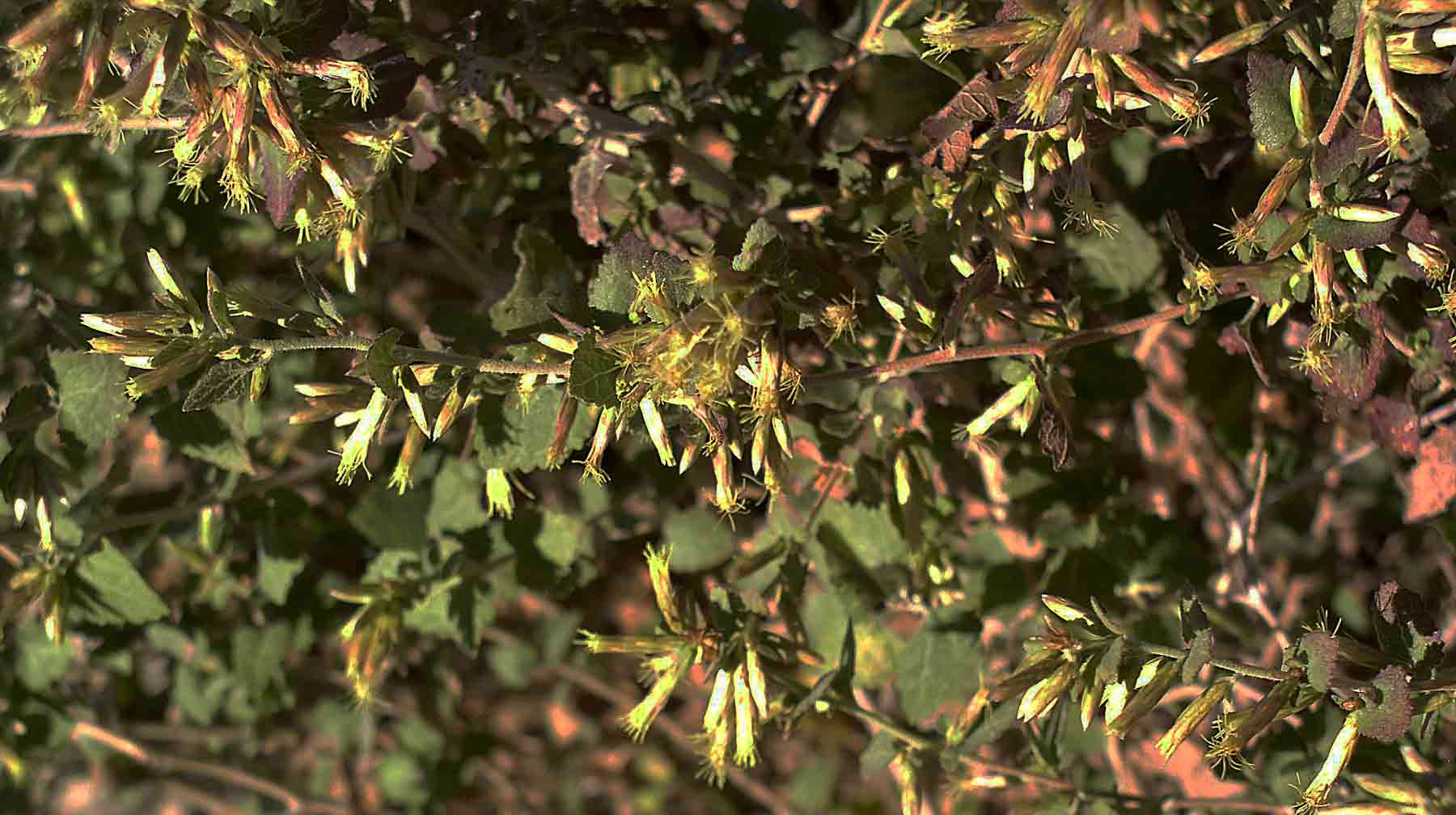
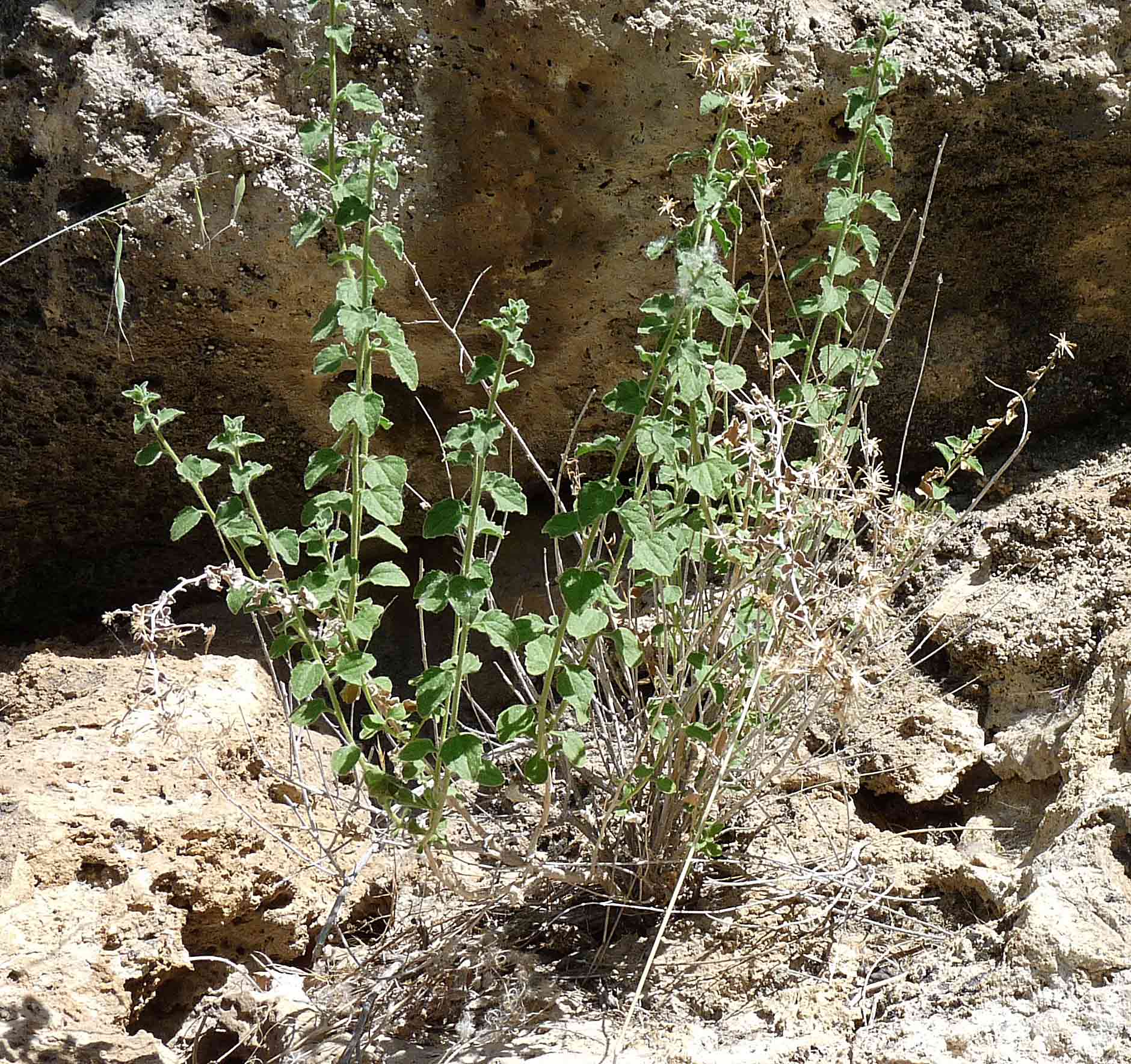
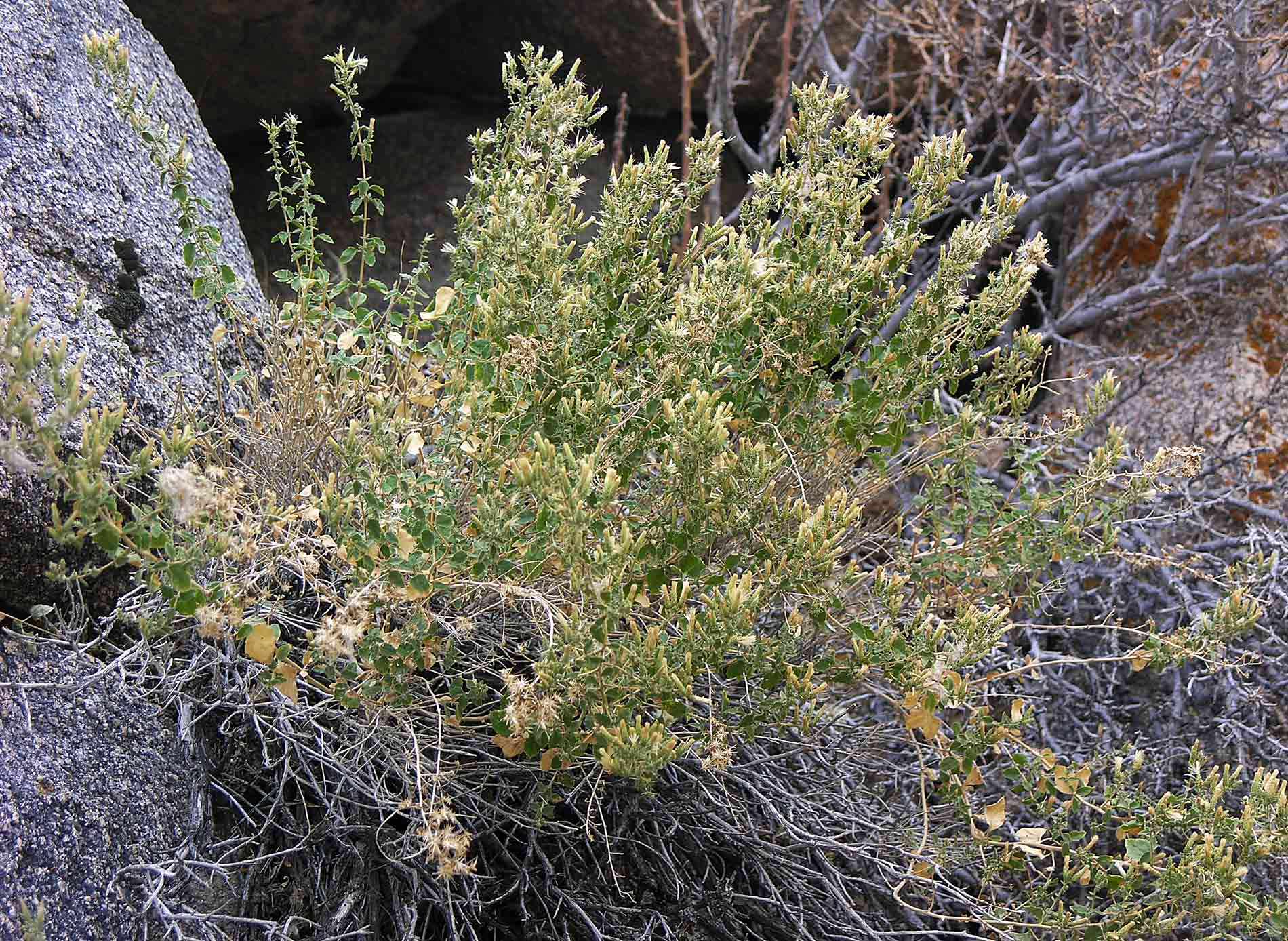
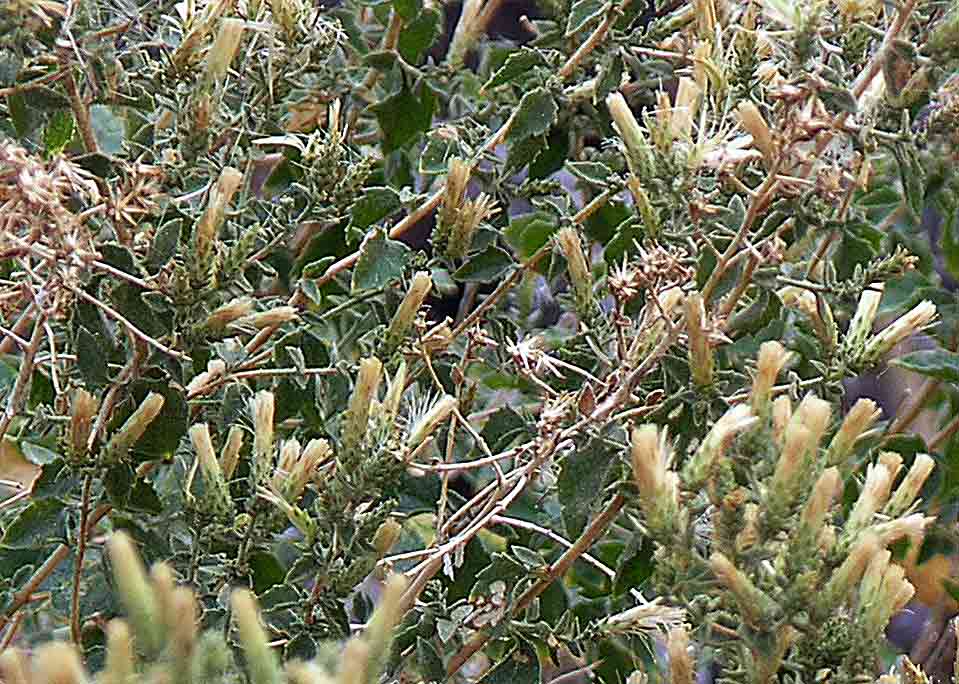
Brickellia atractyloides
|
Brickellia atractyloides |
|
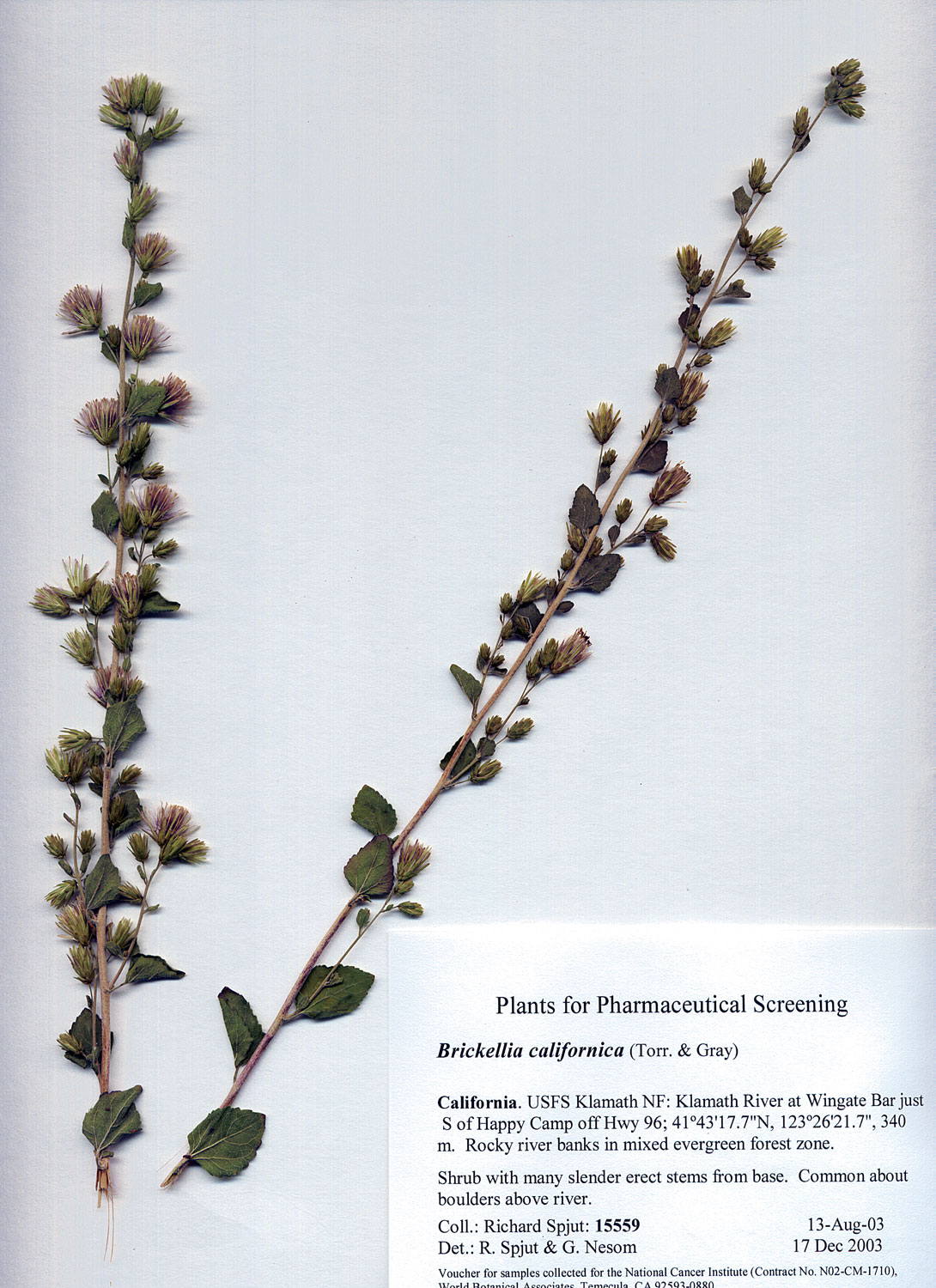
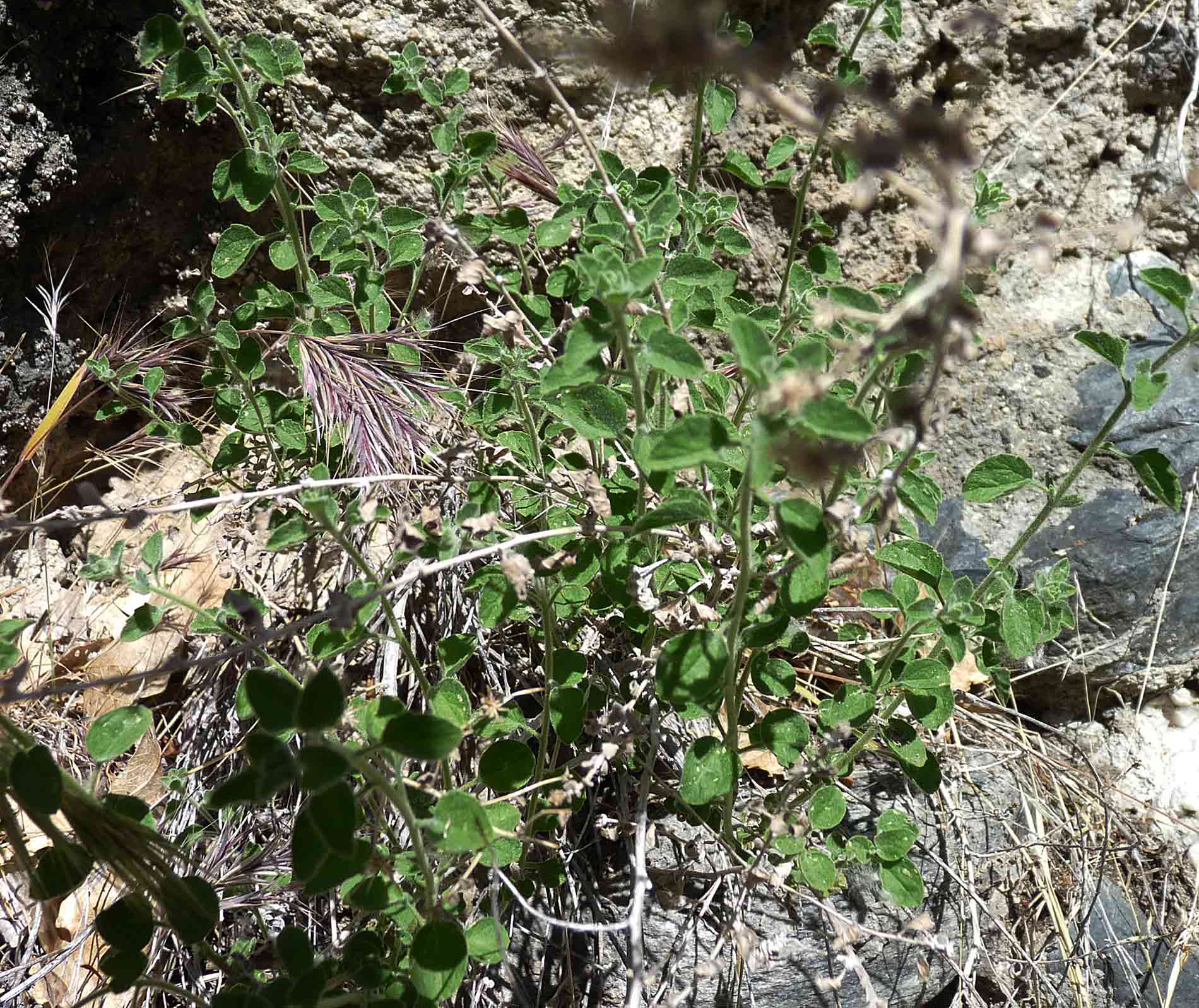
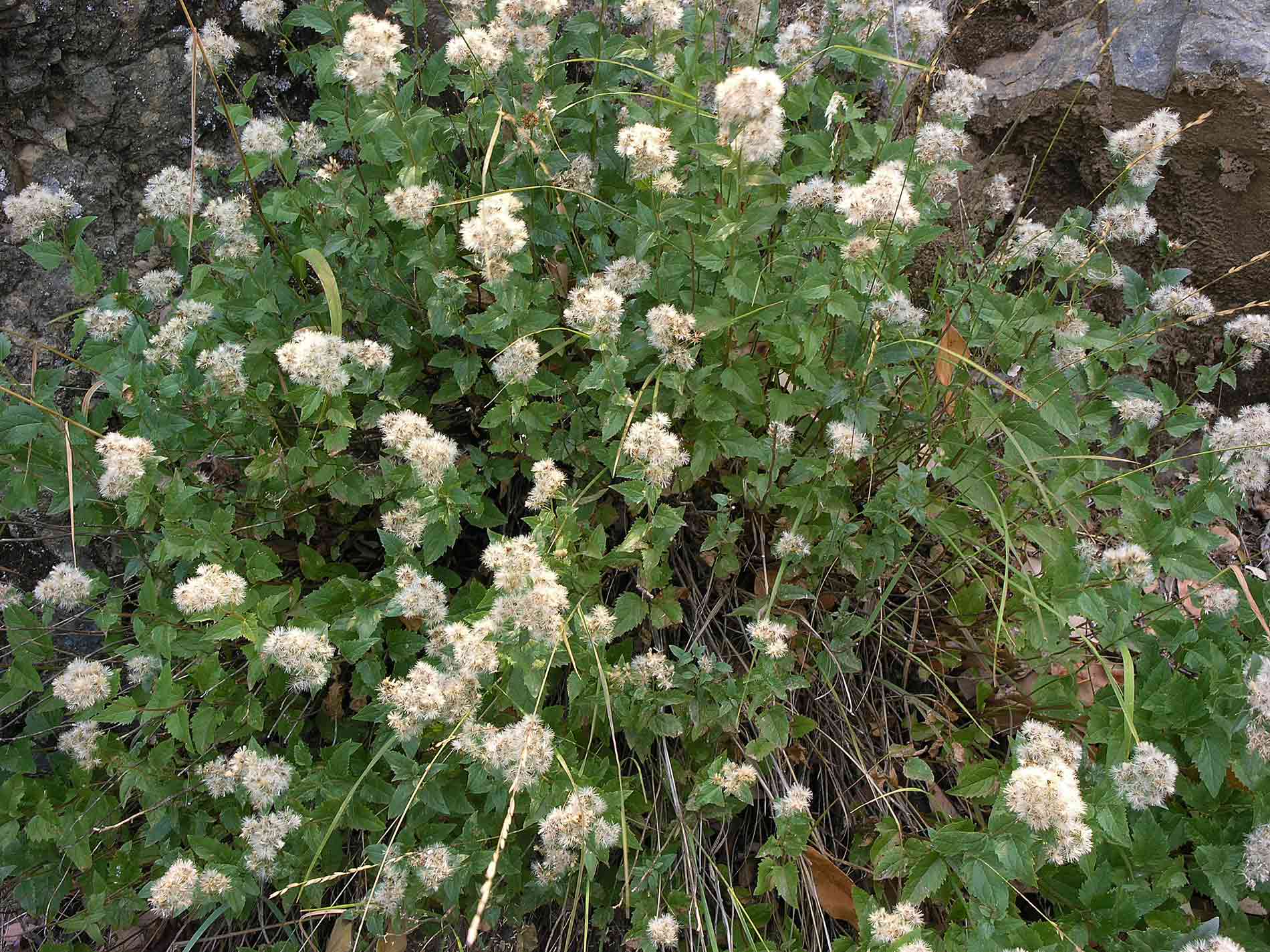
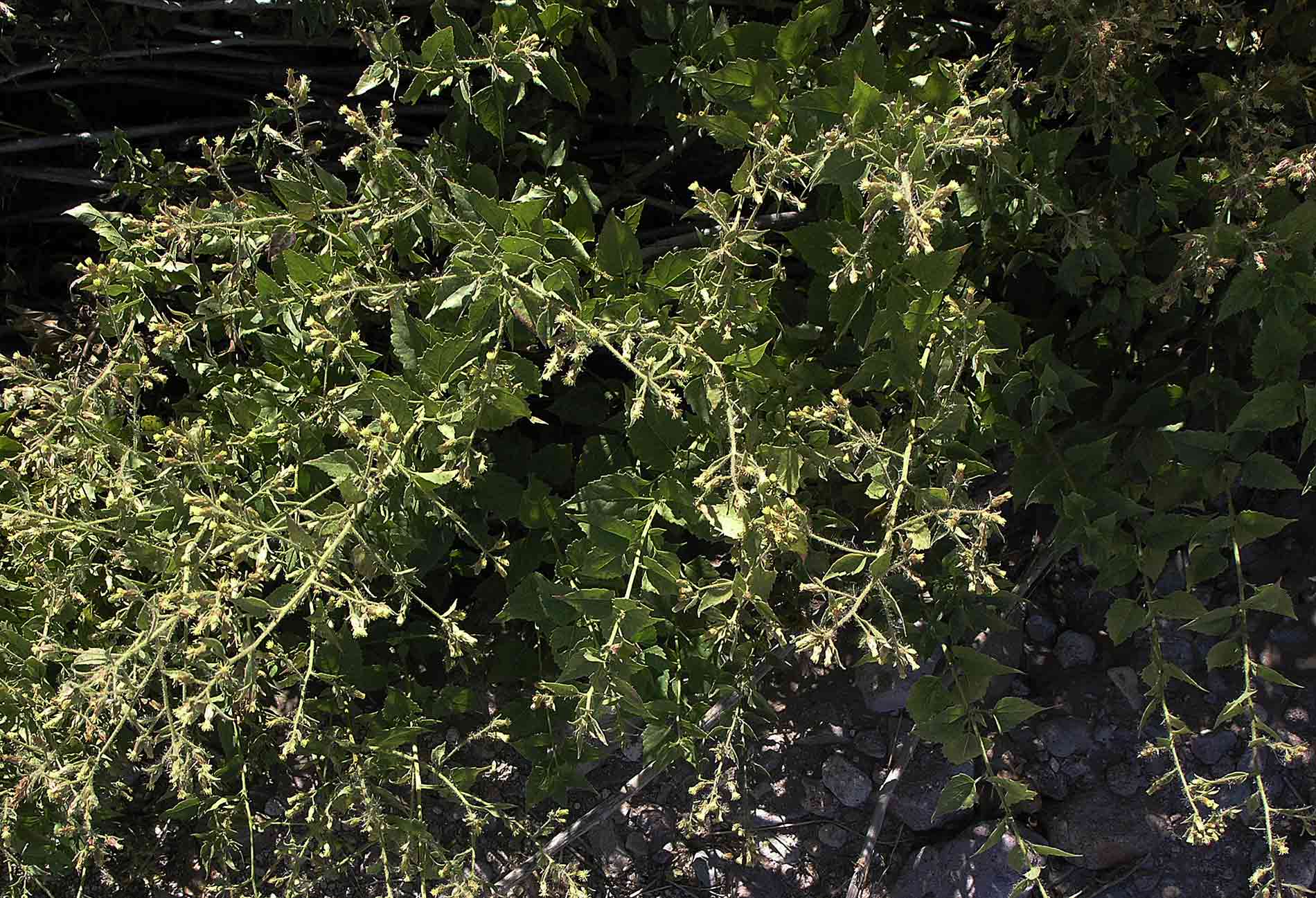
Brickellia californica |
Brickellia californica
|
|
Brickellia californica
California. Kern Co., Erskine Canyon, 3000
ft.
|
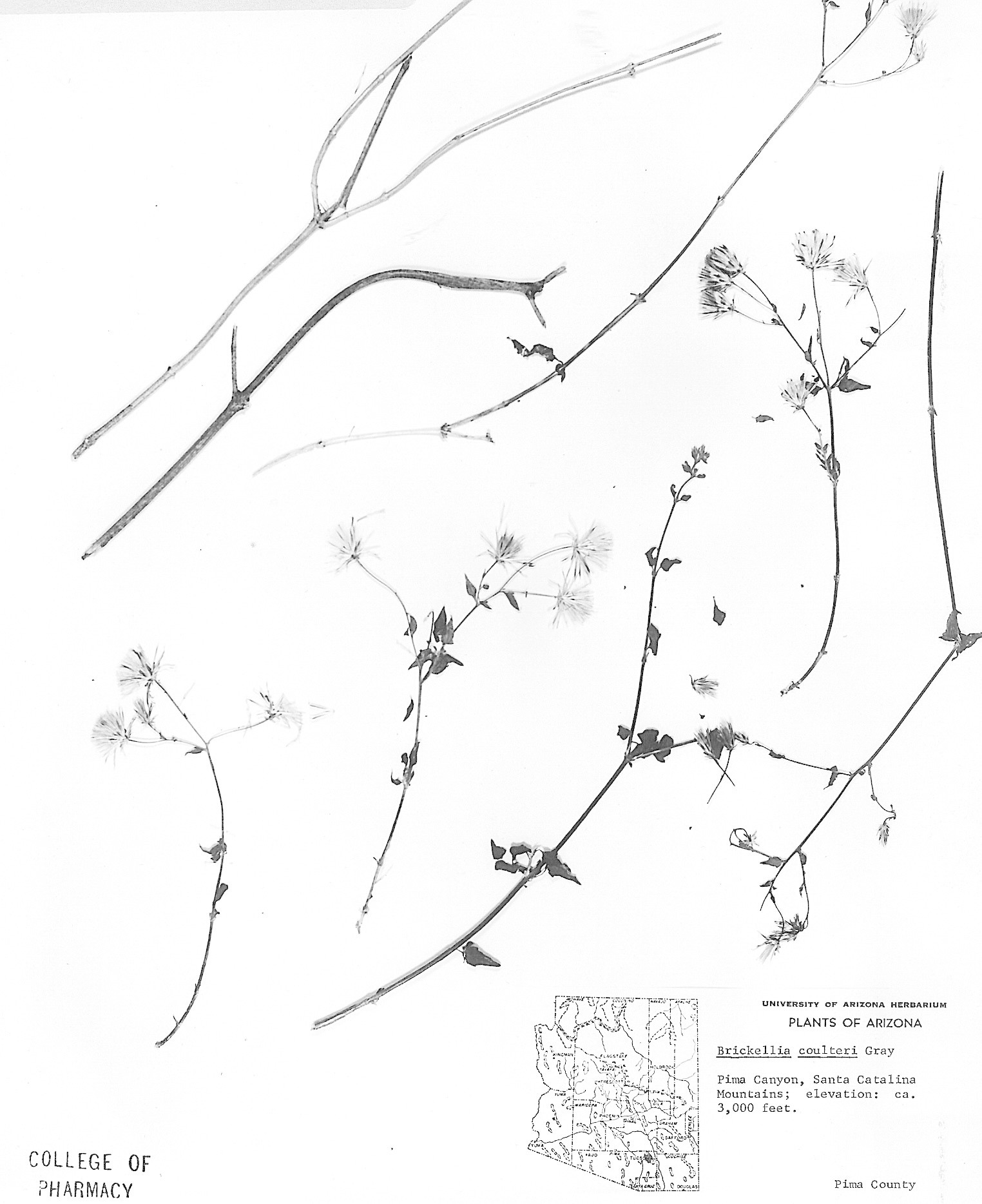
Brickellia coulteri Pima Co., Santa Catalina Mts., 3000 ft., AZ, Arizona State University, College of Pharmacy, AZ
|
Brickellia desertorum
California. Kern Co., Erskine Canyon, 3500 ft.
|
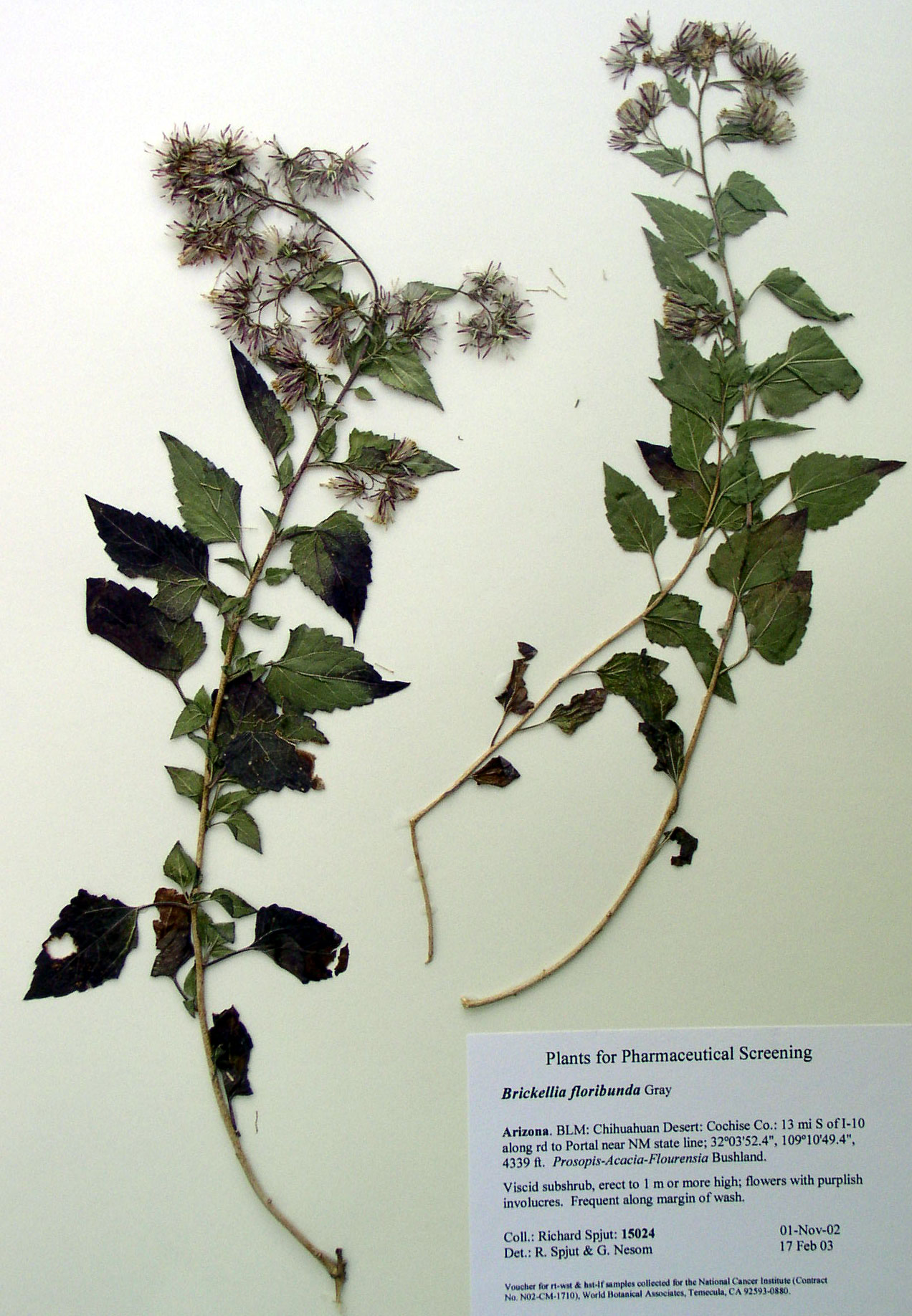
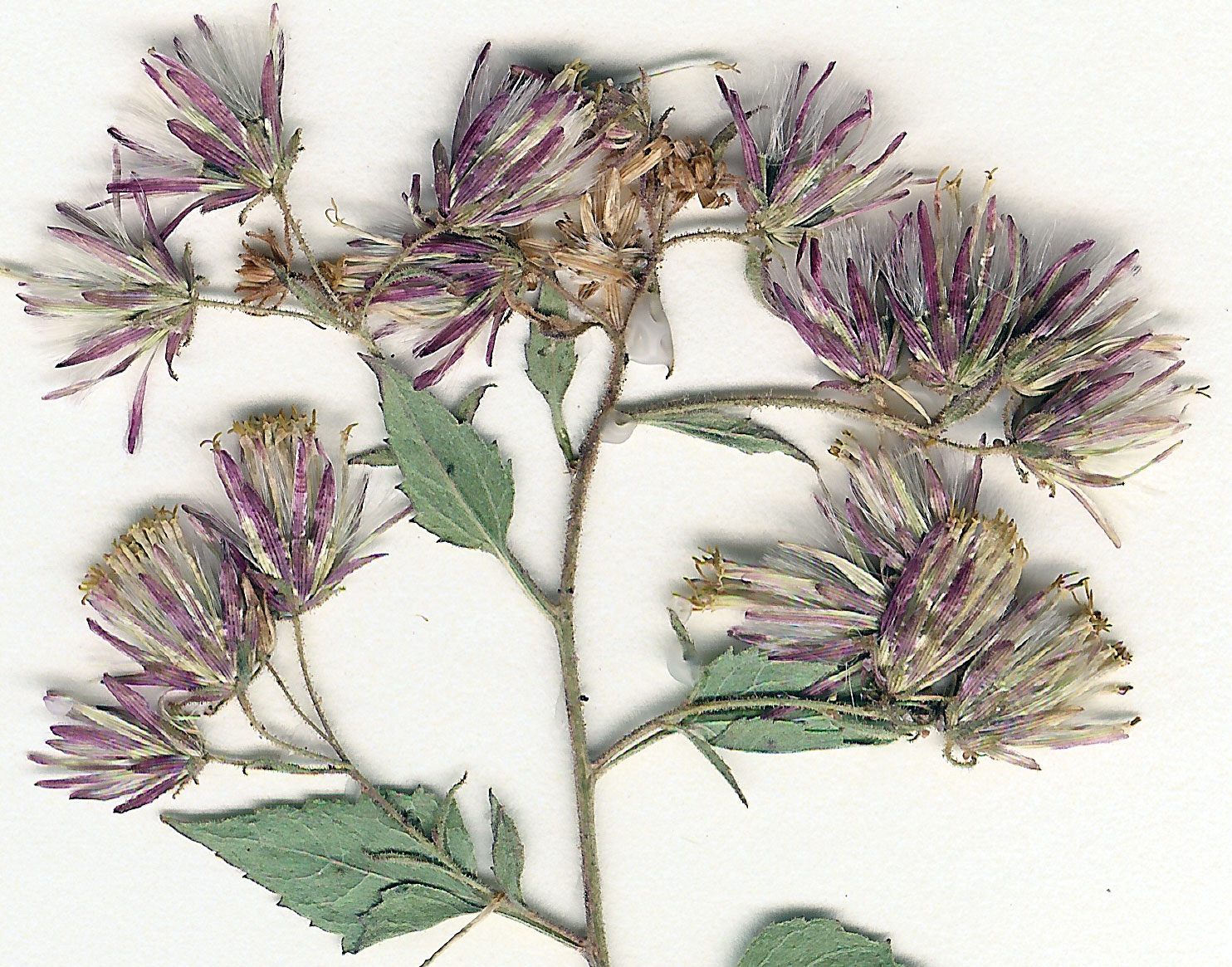
Brickellia floribunda
|
|
Brickellia greenei California. Siskiyou Co., Klamath NF,
|
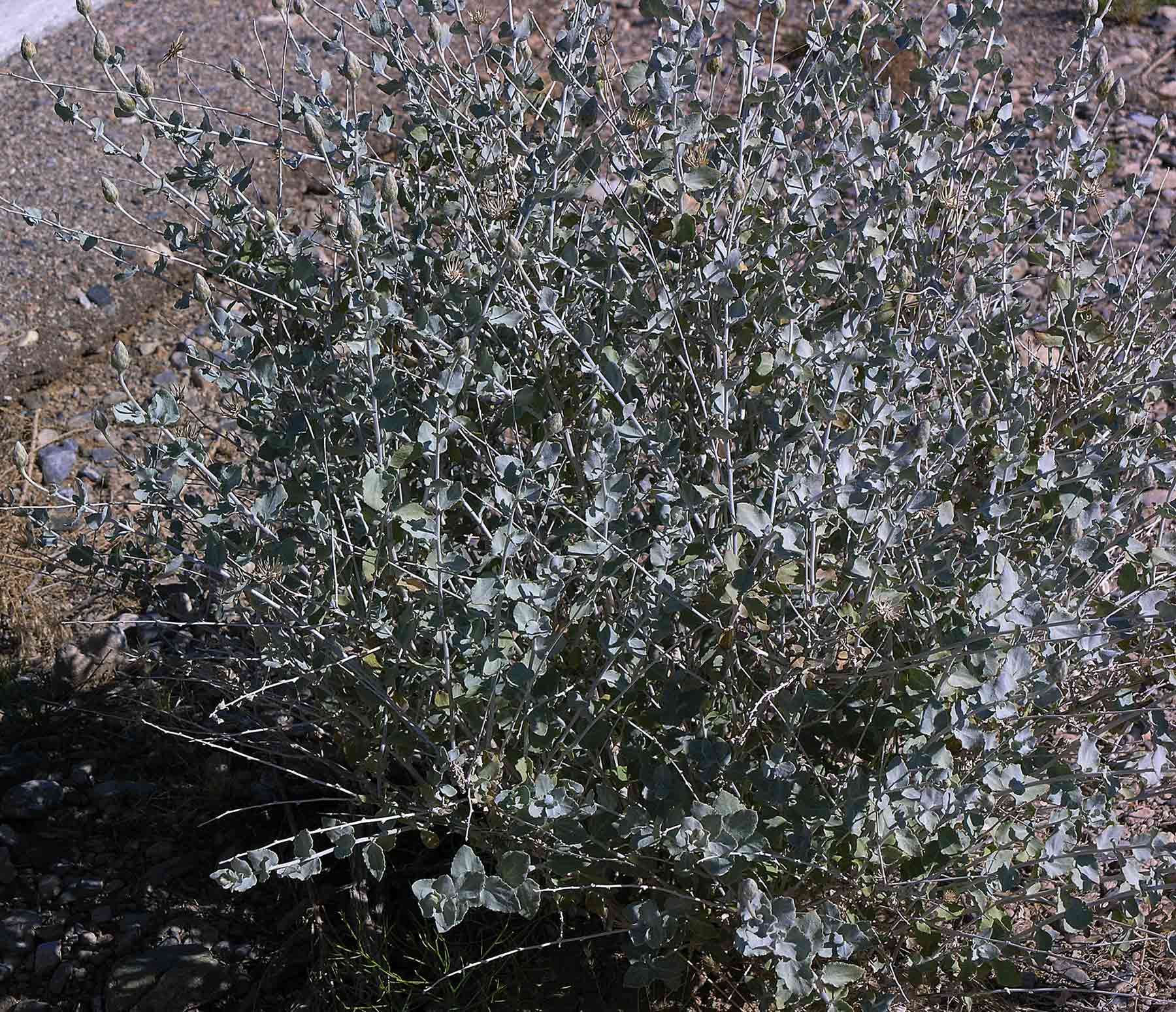
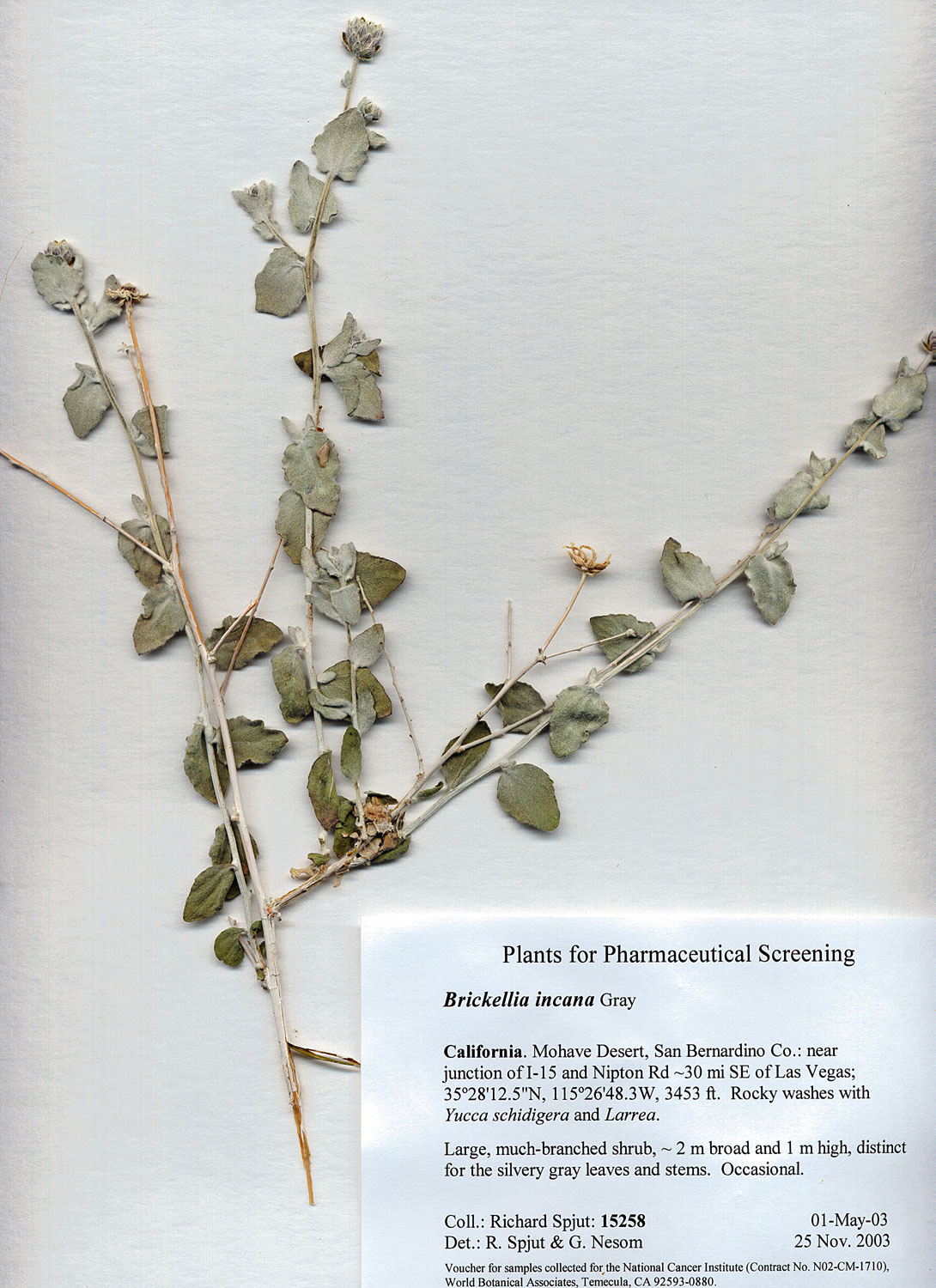
Brickellia incana
|
|
Brickellia incana
|
Brickellia
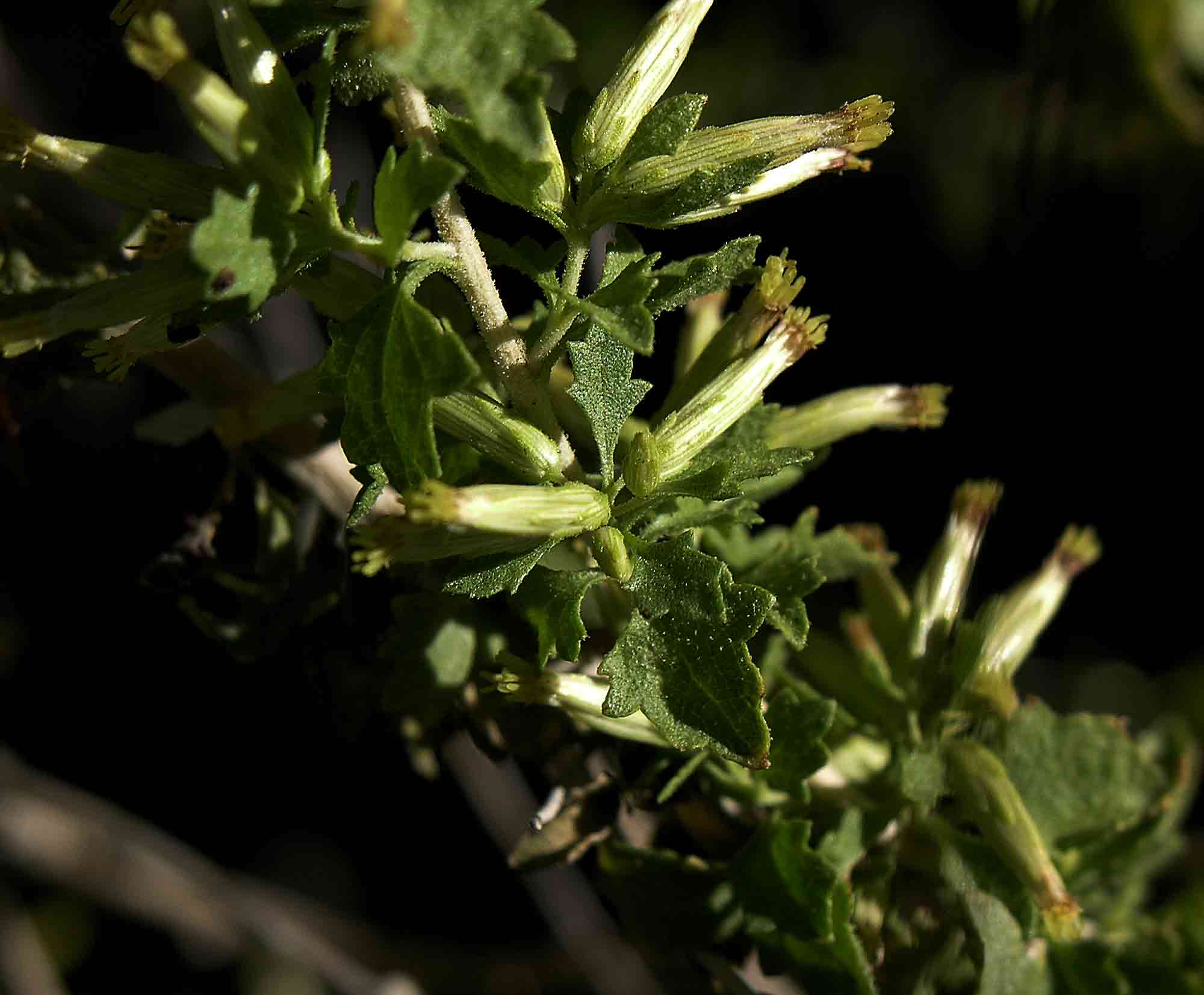
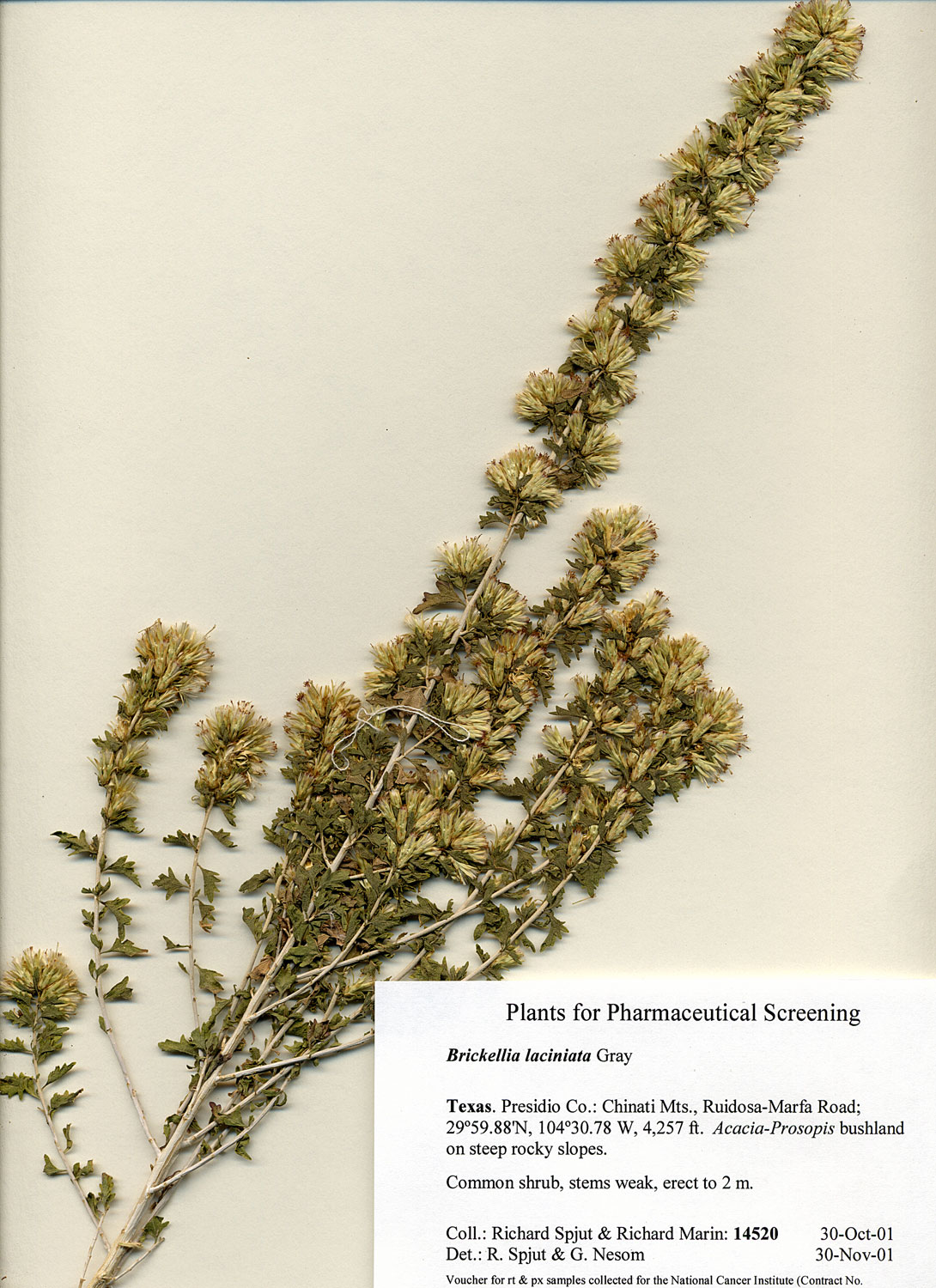
laciniata
|
|
Brickellia laciniata
|
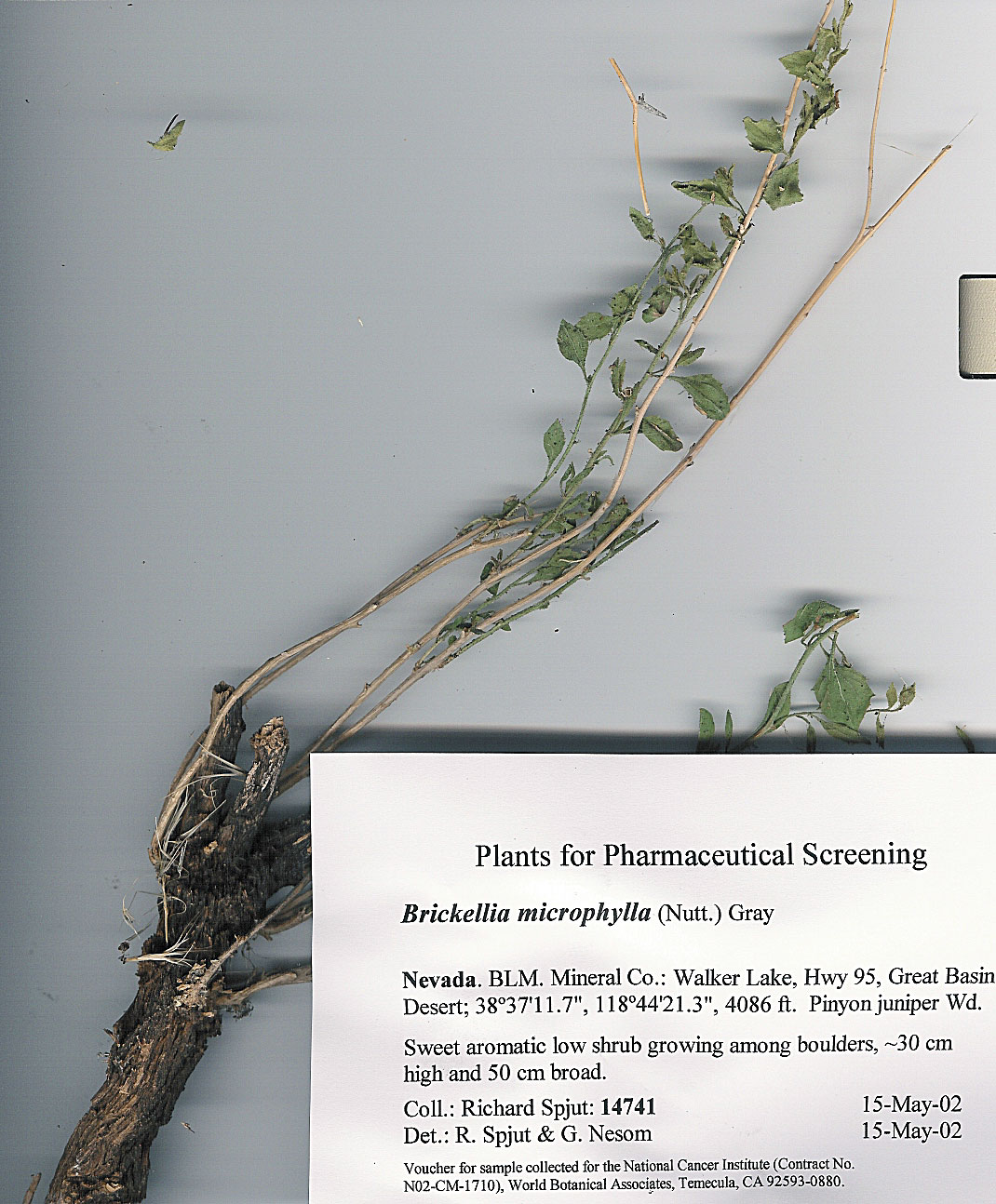
Brickellia microphylla
|
|
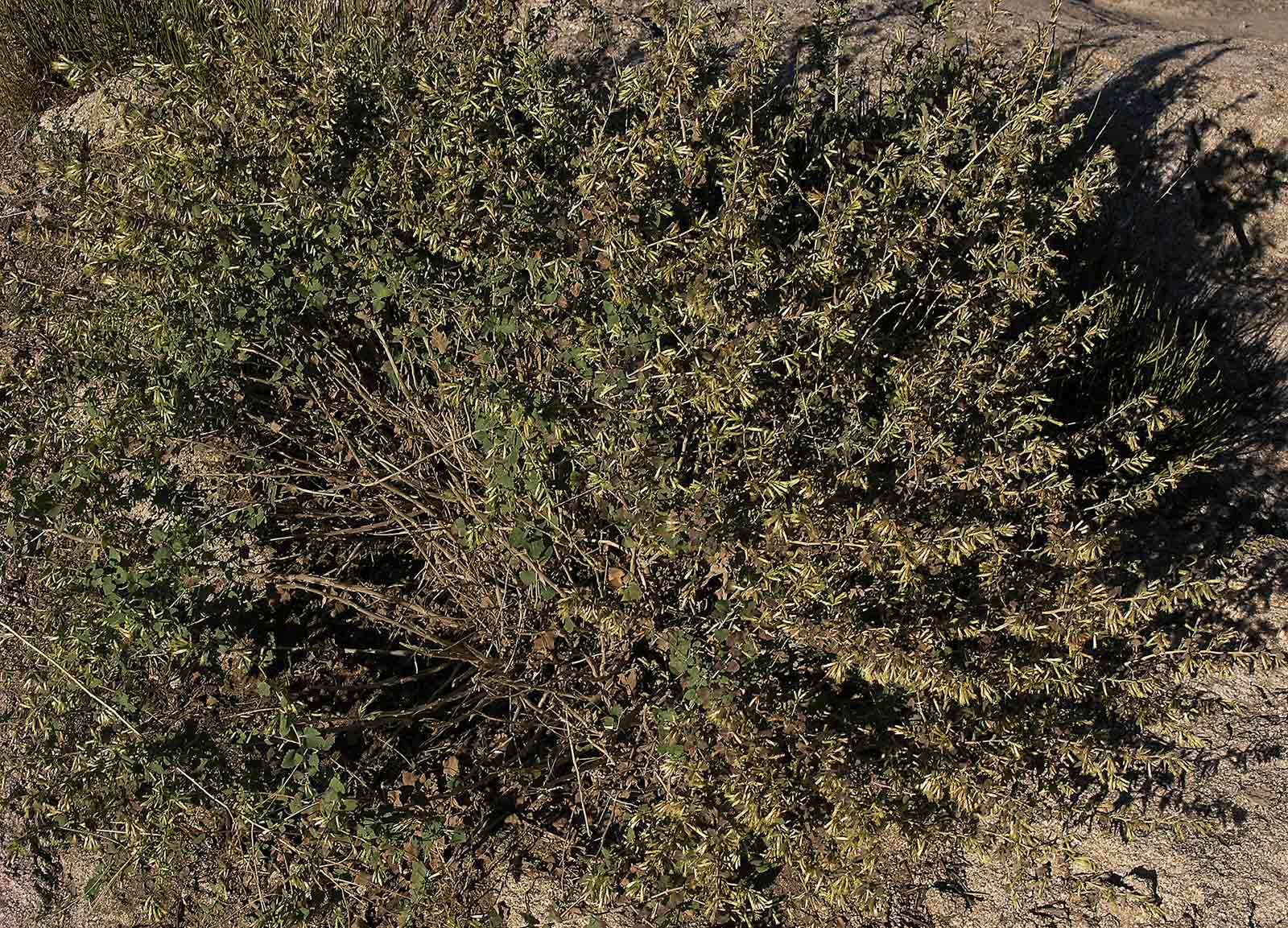
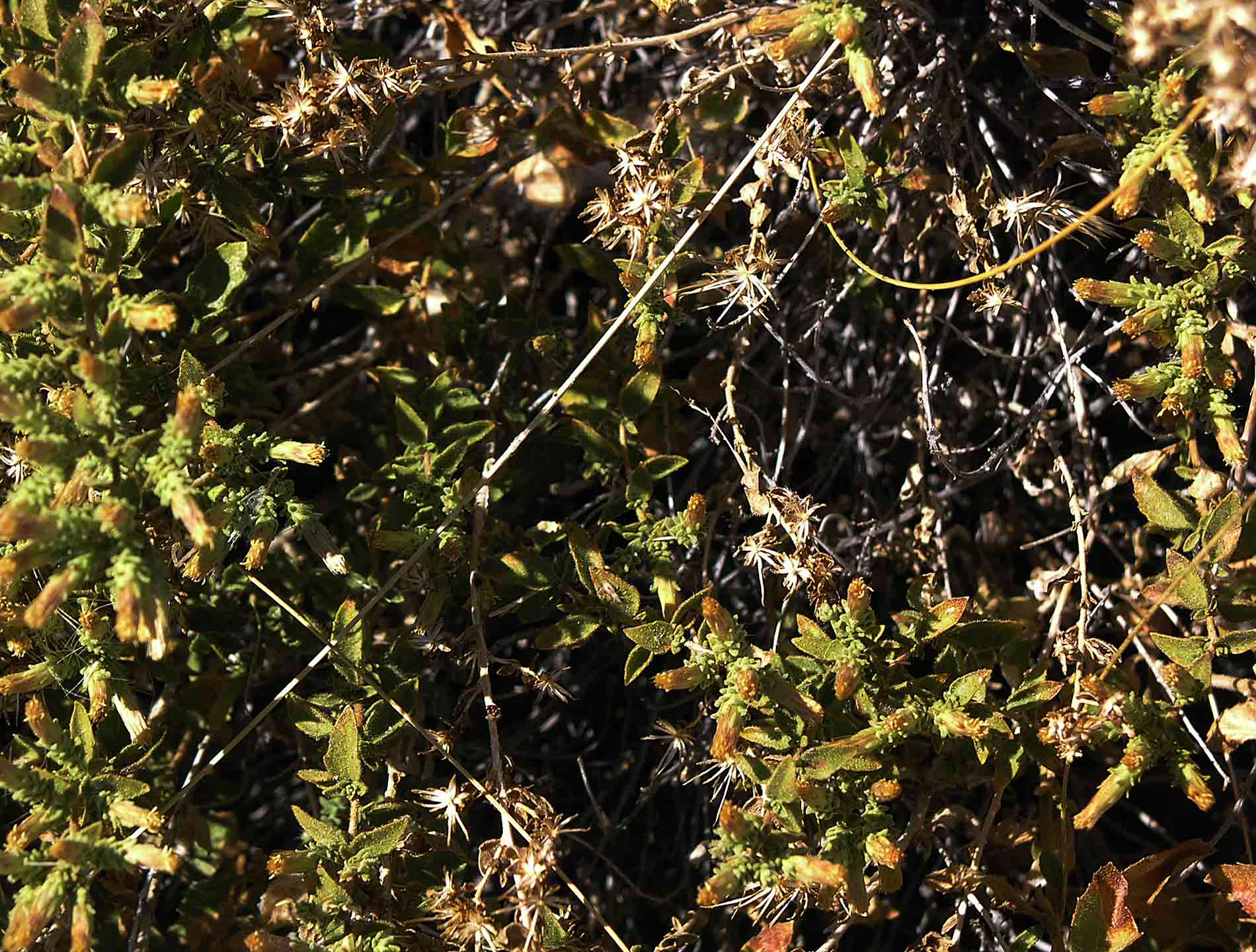
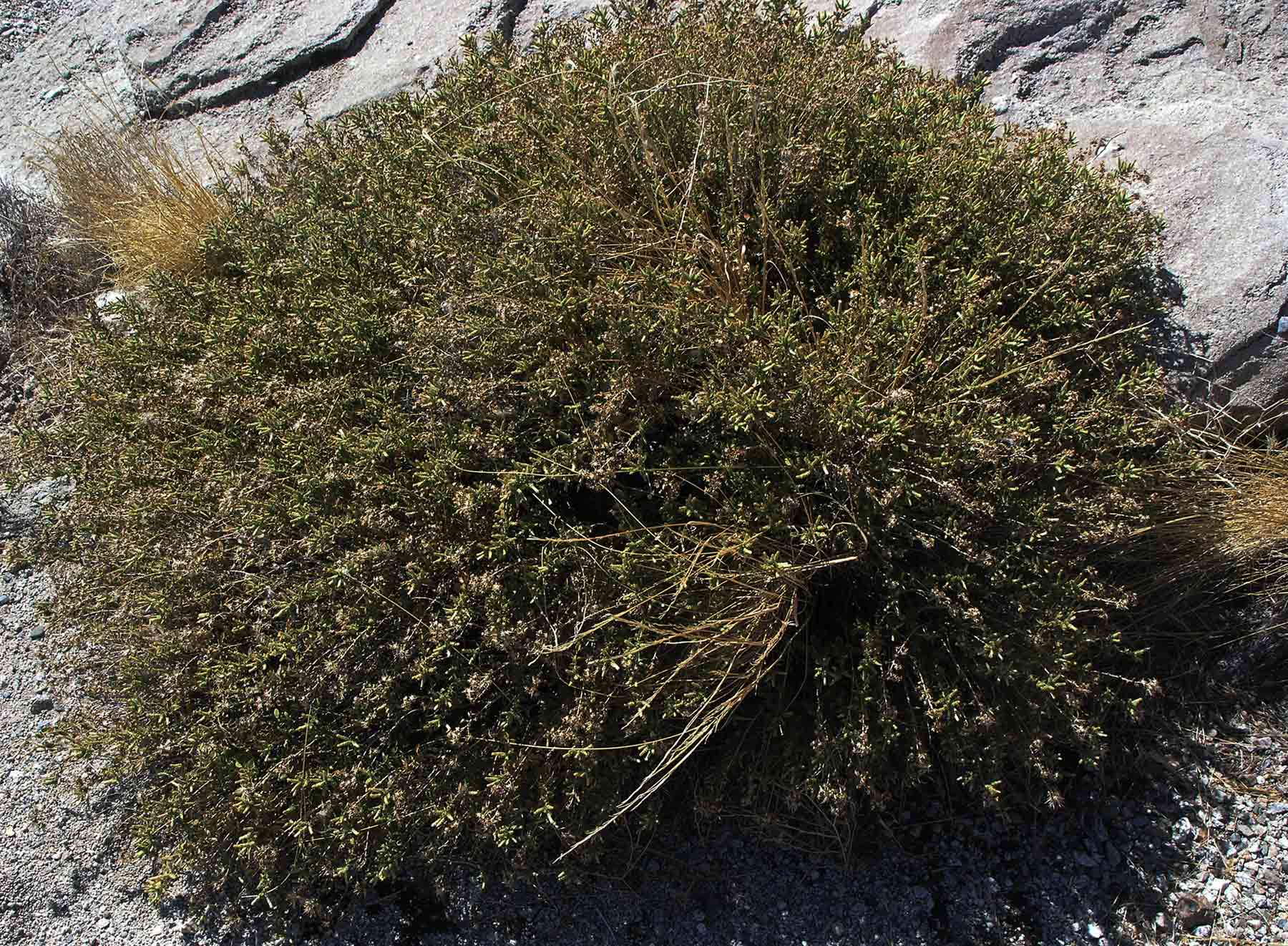
Brickellia aff. microphylla Note: This appears to be a distinct variant in its broad low densely branched habit, and is not the same as that collected earlier (Spjut 14741).
|
Brickellia microphylla
|
|
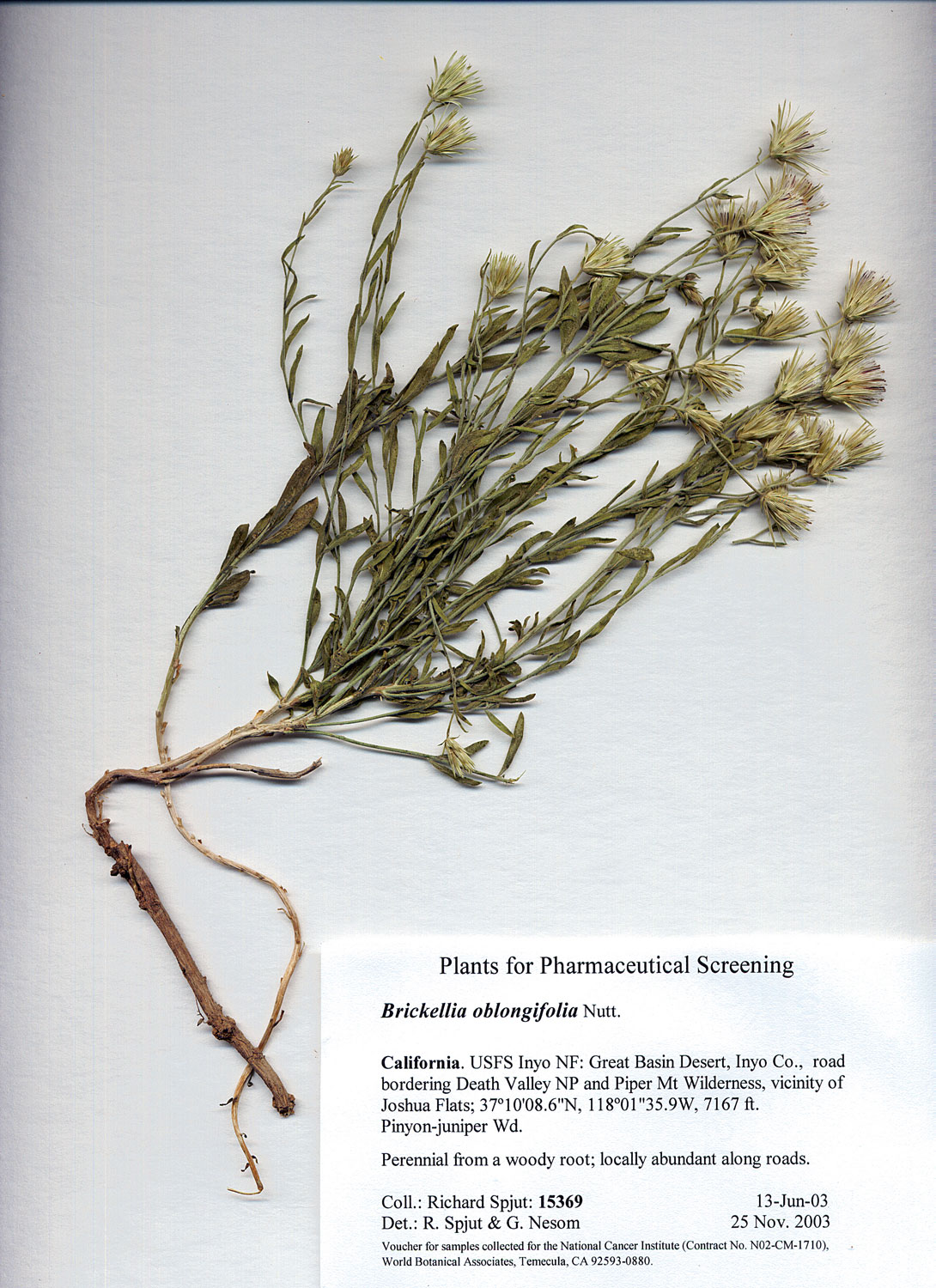
Brickellia oblongifolia
|
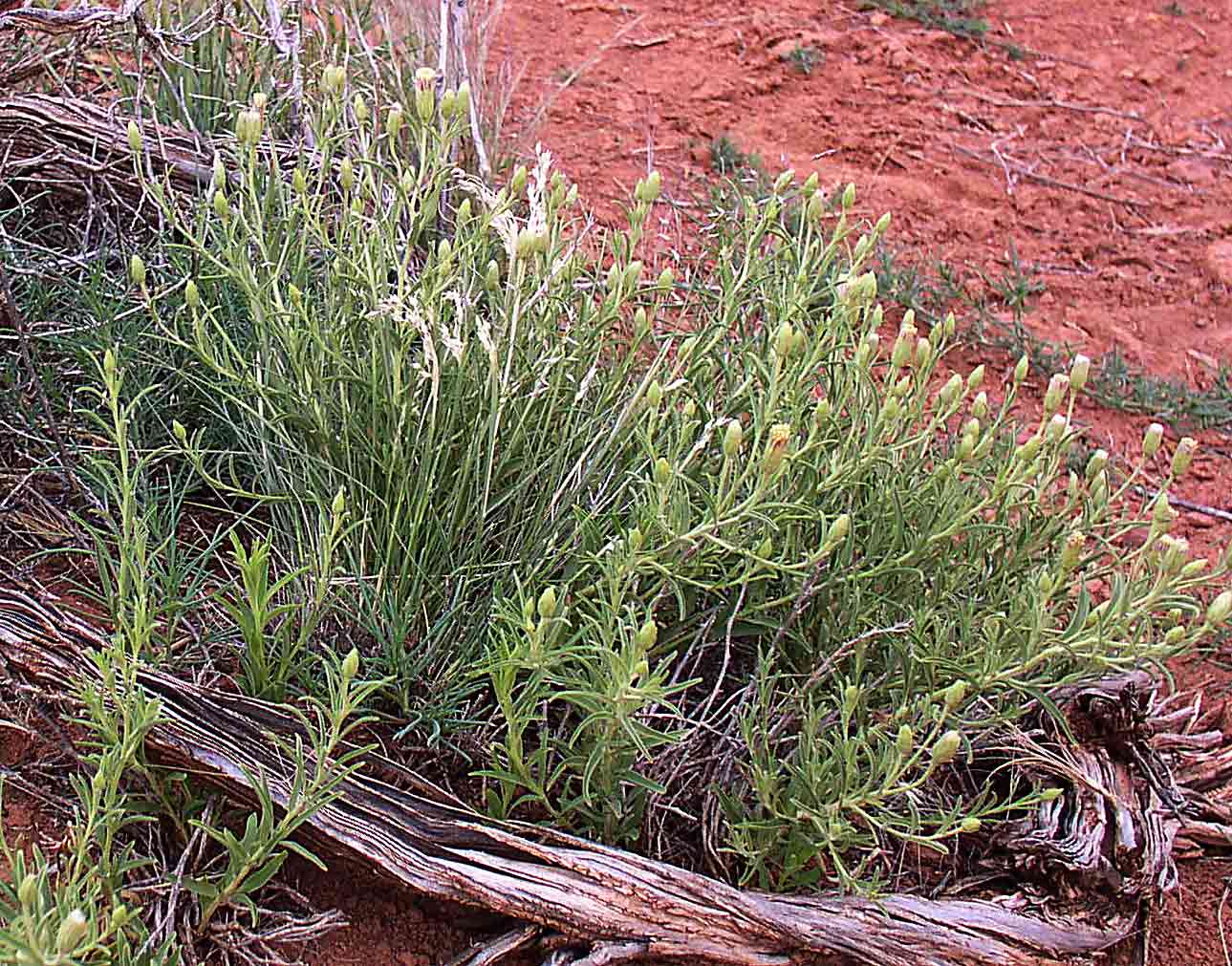
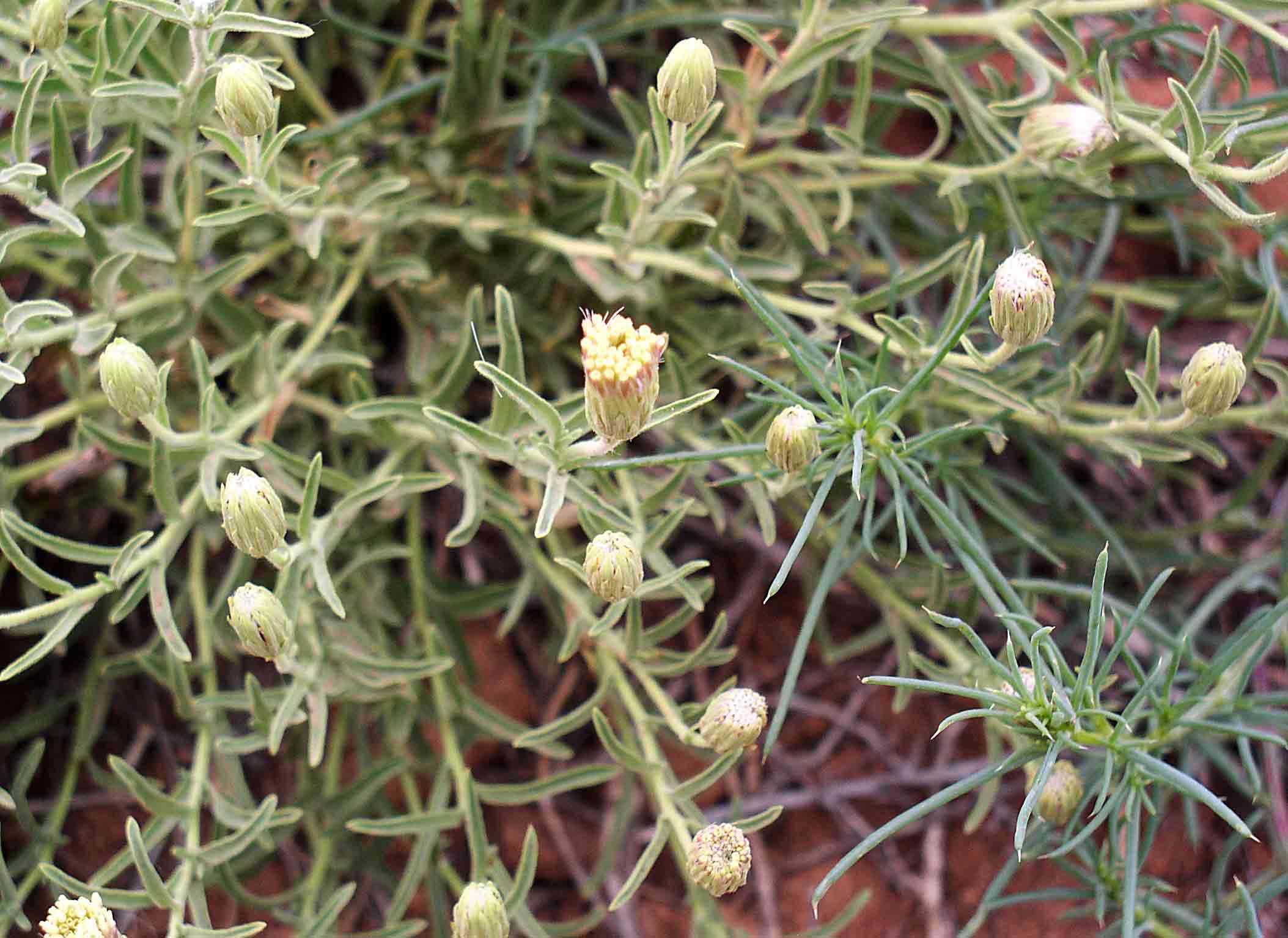
Brickellia oblongifolia var. linifolia Arizona—Mojave Desert. Mohave Co. Lefevre Canyon ~ 5 m NW of the Kaibab NF boundary along Hwy 89A; 36º55'08.3", 112º24.35.4", 1491 m. Severely overgrazed sagebrush, which has been further destroyed by invasive bermuda grass growing around dead sagebrush, and by Lappula. Richard Spjut & Susan Spjut 16322, May 23, 2008. Photos by Susan Spjut
|
|
Brickellia rusbyi |
|
|
Trees and Shrubs of Kern County (Sep 2012) Key to Species of Brickellia in Kern County 1. Leaves sword-shaped to sickle-shaped...................................... Brickellia longifolia 1. Leaves triangular to heart-shaped............................................................................. 2
2. Leaf margins with spine-like teeth, especially lower half.......... Brickellia atractyloides
2. Leaf margins with
broad shallow indentations, or with triangular
3. Leaves whitish to
gray green, covered with hairs; involucral bracts 3. Leaves green; involucral bracts erect in flower, spreading in fruit................................ 4
4. Petiole 5–60 mm; lf blade 1.0–10 cm ................................... . Brickellia californica 4. Petiole 1–3.0 mm; lf blade 0.3–2.0 cm ................................................................... 5
5. Flowers 20–24 per head......................................................... Brickellia desertorum 5. Flowers 8–12 per head.......... ............................................... Brickellia microphylla
Brickellia atractyloides A. Gray 1870. Differs from B. microphylla and B. californica in having numerous flowers, 40–90, compared to <20 in B. californica. Type from near the Colorado River, UT. Two varieties may occur in Kern County: Var. arguta (B.L. Robinson) Jepson, distinguished by the outer bracts being entire, reported from Willow Springs (C. B. Wolf, date?, CCH) and var. odontolepis having dentate margined bracts, reported from the North Mojave Desert, Keane Canyon, Funeral Mountains (Gilman, 30 Apr 1937, CCH). Brickellia californica (Bulbostylis californica Torrey & A. Gray 1841) A. Gray 1849. California brickell bush. A low to medium sized shrub, with numerous erect stems, generally rounded in outline, 50–100 (-200) cm high; leaves triangular to heart-shaped in outline, 1–4 (-10) cm long with rounded shallow indentations along margins (crenate), puberulent to lacking hairs on upper surface; flowers appearing in summer to fall (Jun–Oct), 8–18 clustered within a narrow long cylindrical head of 21–35 dull purplish involucral bracts with prominent striations, bracts overlapping in 5–6 series, the upper bracts much longer than the lower, spreading and persisting after fruits have dispersed. Fruit: Cypsela with 24–30 long white terminal bristles from a 10 nerved fusiform pericarpium, 2.5–3.5 mm long. A widespread species of the southwestern U.S. occurring around exposed rock outcrops, especially along stream beds in association with sandbar willow below 8,000 ft. Type from California. Kern Co.: Occasional in Douglas oak and pinyon pine woodlands, and montane chaparral to slopes bordering the desert (Twisselmann), 396–2,256 m (CCH). Brickellia desertorum Coville 1892. Desert brickell bush. Medium to large shrubs with numerous intricately branched stems, generally rounded in outline, 80–200 cm high and broad; leaves triangular to heart-shaped in outline, 0.3–1.5 cm long with rounded shallow indentations along margins (crenate), densely puberulent to having long wavy hairs on upper surface; flowers appearing in fall (Oct–Nov), 8–12 within a narrow long cylindrical head subtended by 20–24 greenish to brownish bracts that have prominent striations, bracts overlapping in 4–7 series, the upper bracts much longer than the lower. Fruit (cypsela) with 12–15 long white bristles terminally attached to the 10 nerved fusiform pericarpium, 2.0–3.0 mm long. Southwestern U.S. to Central America, 700–4,500 ft. in California. Type: Between Banning and Seven Palms on the Southern Pacific railroad, CA. Kern Co.: Occasional in the desert from near Inyokern to Erskine Canyon just north of Lake Isabella, 751–1,524 m. Brickellia grandiflora (Eupatorium grandiflorum Hooker 1834) Nuttall 1840. Mostly herbaceous with one to many erect weak stems arising from long thick roots. Notably differs in the more herbaceous habit and by the leaves having long petioles, 10–70 mm long. Widely distributed: Washington to Missouri, south to Arkansas, New Mexico, Arizona, California, and to Baja California. Type from low hills between the north and south branches of Lewis and Clarke's River, northern ID. Kern Co.: Fenced meadow in Kern Canyon (CCH: Jepson). Brickellia longifolia S. Watson 1873 var. multiflora (B. multiflora Kellogg 1877) Cronquist 1994. Long-leaved brickell bush. Small to large shrubs with numerous branched stems, generally rounded in outline, 20–200 cm high and broad, bark of stems exfoliating; leaves linear to somewhat sword-shaped or sickle-shaped, 2.5–11.0 cm long, margins entire, impressed with glands on the surface but not hairy, instead rather shiny. Flowers appearing in fall (Sep–Nov), 3–7 clustered within a narrow long cylindrical head of 10–24 pale green to straw colored involucral bracts with prominent striations, overlapping in 6–8 series, the bracts recurved before fruiting. Fruit (cypsela) with 30–40 white minutely barbellate bristles terminally arising from the fusiform pericarpium, 1.8–2.5 mm long. Two varieties, both infrequent in desert canyons, California to Nevada and Arizona, 3,000–5,000 ft. Type from Kings Canyon, Sierra Nevada, CA. Kern Co.: Rare, known from a single collection by Twisselmann, Jawbone Canyon, 3,000 ft., Oct 1961. Brickellia microphylla (Bulbostylis microphylla Nuttall 1841) A. Gray 1852. Short-leaved brickell bush. Sweet smelling, somewhat nauseating, low to medium shrubs with numerous branched stems, generally rounded in outline, 30–70 cm high and broad; leaves broad triangular to arrow-shaped in outline, or oval, 0.3–2.0 cm long, irregularly indented or toothed along margins (crenate), sometimes more near base than apex, densely glandular on upper surface; flowering in late summer to fall (Aug–Nov), flowers 8–12 clustered on a receptacle within a narrow long cylindrical head surrounded by 30–48 purplish bracts with prominent striations, overlapping in 6–9 graduated series, recurved in flower. Fruit (cypsela) with 18–24 white minutely barbellate bristles terminally attached to the fusiform hairy pericarpium (achene) that is 3.5–4.7 mm long. Rocky canyons and sand dunes, southwestern U.S., 3,000–8,000 ft. in Californica. Type from shelving rocks in the Blue Mts., OR. Kern Co.: Scarce, Piute Mts (Laura Peak, Erskine drainage), Owens Peak (Five Fingers Peak), Caliente Creek between Caliente and Lorraine. Also reported by Twisselmann from Kern Canyon above Kernville. Two varieties recognized in the Kern flora: Var. microphylla as described above, and var. watsonii (B. L. Robinson) S. L. Welsh reported from Upper Pine Tree Canyon, NNE of Middle Knob along a dirt jeep road; (Cache Peak 7.5' quad.); 35°10'N 118° 12'W; T32S R35E center of N/2 S3; elev. 1402m/4600 ft. (CCH). Brickellia nevinii A. Gray 1885. White brickell bush, Nevin's brickellia. Low to medium shrub with numerous branches from base, or diffusely branched above base, rounded in outline, 30–70 cm high and broad, conspicuously white hairy; leaves broad triangular, 0.7–1.1 cm long, irregularly indented or toothed along margins (crenate), sometimes more so near base than apex, densely white hairy on both surfaces; flowers in late summer to fall (Aug–Nov), 16–24 clustered within a narrow long cylindrical head of 30–38 reddish to purplish tinged bracts overlapping in 7–9 graduated series, the bracts recurved in flower. Fruit: Cypsela with 18–24 white or off-white bristles terminally attached to the fusiform hairy pericarpium (achene), 3.5–5.0 mm long. Rocky canyons and washes, mainly in chaparral and desert fringe of southern California, 1,000–5,000 ft., also in Nevada. Type from near Newhall, CA. Kern Co.: Infrequent, Canyon of Caliente Creek 3.7 miles west of Loraine, elev. ~2,100 ft; Caliente Creek narrows between Tehachapi and Lake Isabella; 8 miles north of jct. with Caliente Bodfish Road, 1,400 ft; San Emigdio Range, Mt Abel Rd [Cerro Noroeste Rd], ~2.1 mi northwest of Valle Vista Campground; 7 miles above the San Emigdio Ranch House, 640–1,509 m (CCH).
References on Pharmacological Activity in Brickellia He J, E. M. Wijeratne, B. P. Bashyal, J. Zhan, C. J. Seliga, M. X. Liu, E. E. Pierson, L. S. Pierson 3rd, H. D. van Etten and A. A. Gunatilaka. 2004. Cytotoxic and other metabolites of Aspergillus inhabiting the rhizosphere of Sonoran desert plants. J. Nat. Prod. 67(12): 1985–1991. “In a study to discover potential anticancer agents from rhizosphere fungi of Sonoran desert plants cytotoxic EtOAc extracts of four Aspergillus strains have been investigated. Two new metabolites, terrequinone A (1) and terrefuranone (2), along with Na-acetyl aszonalemin (LL-S490beta) (3) were isolated from As. terreus occurring in the rhizosphere of Ambrosia ambrosoides, whereas As. terreus inhabiting the rhizosphere of an unidentified Brickellia sp. afforded dehydrocurvularin (4), 11-methoxycurvularin (5), and 11-hydroxycurvularin (6). As. cervinus isolated from the rhizosphere of Anicasanthus thurberi contained two new compounds, 4R*,5S*-dihydroxy-3-methoxy-5-methylcyclohex-2-enone (7) and 6-methoxy-5(6)-dihydropenicillic acid (8), in addition to penicillic acid (9). Penicillic acid was also isolated from As. wentii occurring in the rhizosphere of Larrea tridentata. The structures of 1-9 were elucidated by spectroscopic methods and chemical derivatizations. Acetylation of 2 afforded 14-acetylterrefuranone (13) and 14-deoxy-13(14)-dehydroterrefuranone (14). Metabolites 1-9, the dienone 14, and 5(6)-dihydropenicillic acid (16) were evaluated for cytotoxicity in a panel of four human cancer cell lines and in normal human primary fibroblast cells. Compounds 4 and 5 displayed considerable cytotoxicity, whereas 1, 6, 9, and 14 were found to be moderately active, with 6 and 9 exhibiting selective cytotoxicity against cancer cell lines compared with the normal fibroblast cells.” Perez R. M., H. Cervantes, M. A. Zavala, J. Sanchez, S. Perez and C. Perez C. 2000. Isolation and hypoglycemic activity of 5, 7,3'-trihydroxy-3,6,4'-trimethoxyflavone from Brickellia veronicaefolia. Phytomedicine 7(1): 25–29. “Hypoglycemic activity-guided fractionation together with chemical analysis led to the isolation of one flavone (5, 7,3'-trihydroxy-3,6,4'-trimethoxyflavone) from the chloroform extract of the leaves of Brikkellia veronicaefolia. Identification was based on spectroscopic methods. The isolated flavone was tested for hypoglycemic activity in normal and alloxan-diabetic CD1 mice (25-30 g) were administered in doses of 10, 25 and 50 mg/kg body weight. The blood glucose levels were determined before and 1.5, 3, 4.5 and 24 hours after drug administration. The results showed that the flavone produces a significant hypoglycemic effect in normal as well as in diabetic mice. Comparison was made between the action of the flavone and a known hypoglycemic drug as tolbutamide (50 mg/kg). The flavone was found to be slow and less effective than tolbutamide.” Rosler K. H., R. S. Goodwin, T. J. Mabry, S. D. Varma and J. Norris. 1984. Flavonoids with anti-cataract activity from Brickellia arguta. J. Nat. Prod. 47(2): 316–319. “Six flavonoids were isolated from Brickellia arguta and identified using chemical and spectral methods. The isolation and spectral data of a new flavonoid, 6- methoxykaempferol 3-O-beta-D- robinobioside (3), are reported for the first time. Three of these flavonoids were tested and showed inhibition of rat lens aldose reductase.” |
|