|
Niebla
and Vermilacinia (Ramalinaceae) from California and Baja
California. |
 |
Niebla dissecta
©The
World Botanical Associates Web Page
Prepared by Richard W. Spjut
November 2005, Sep 2012
|
Niebla
and Vermilacinia (Ramalinaceae) from California and Baja
California. |
|
|
|
San Mateo Co., CA, |
Santa Barbara Island |
Santa Barbara Island |
|
Santa Cruz Island, CA
|
San Cruz Island, CA
|
Santa Barbara Island, CA |
|
Santa Barbara Island |
 |
Santa Barbara Island, CA |
|
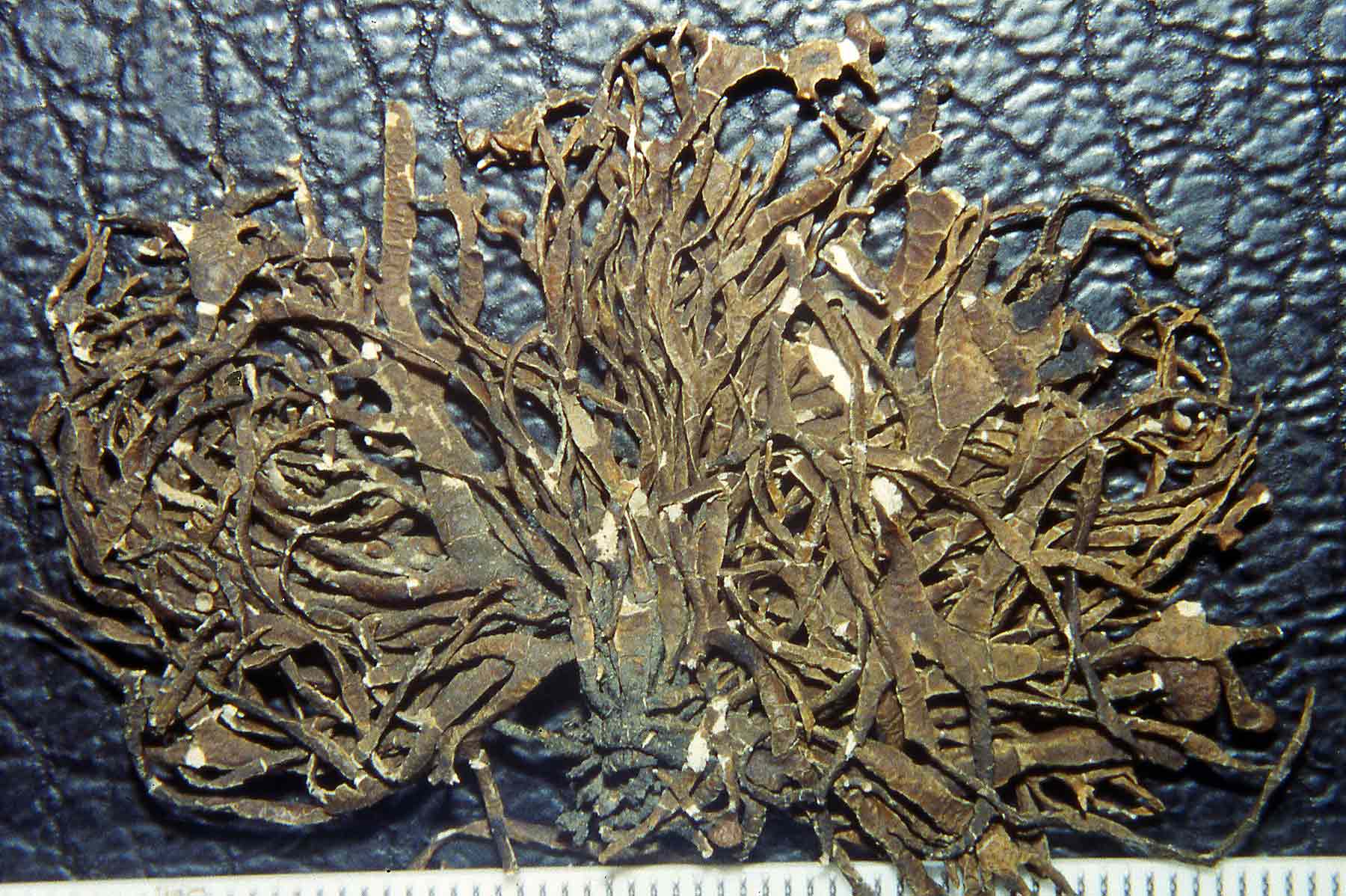
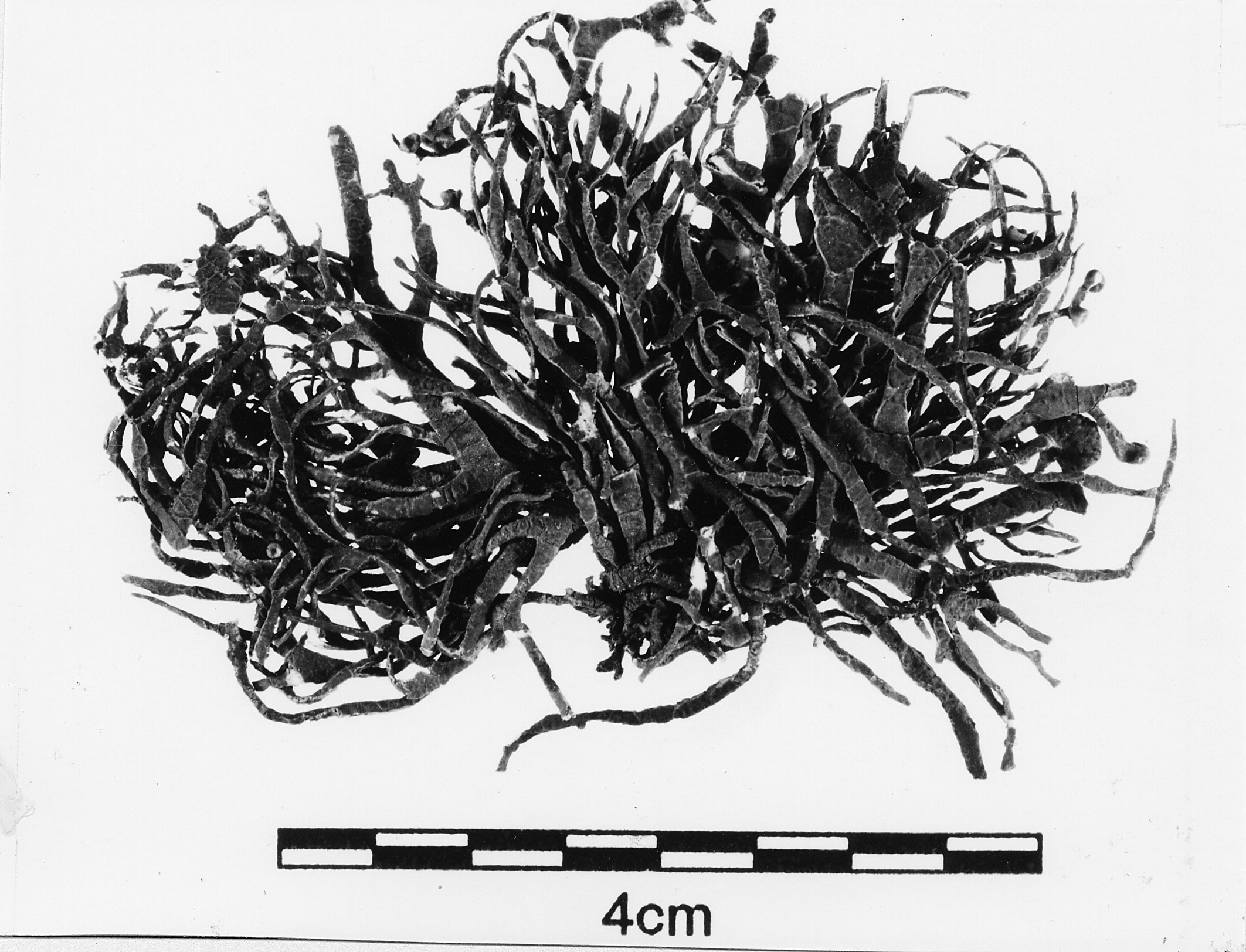
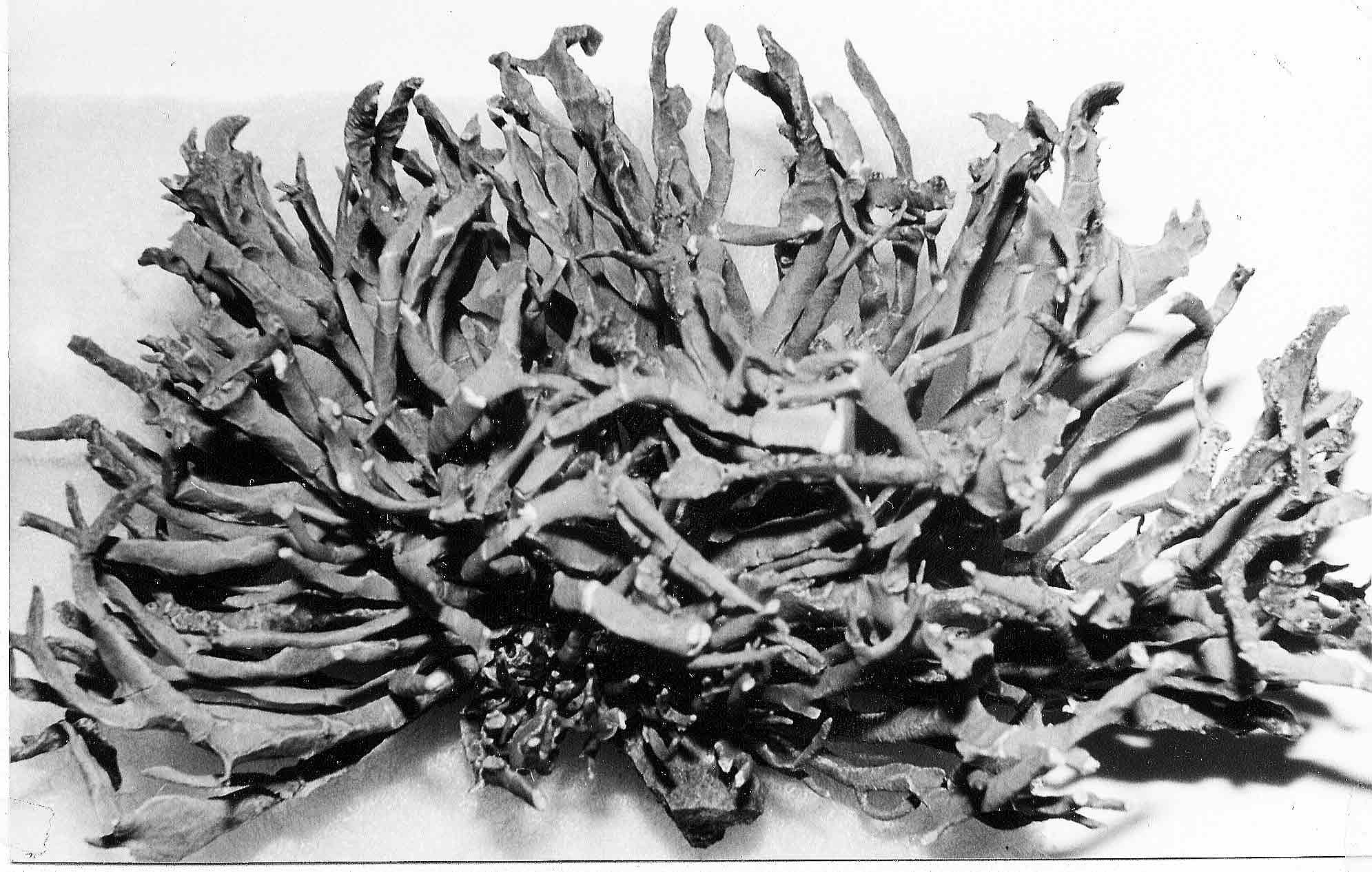
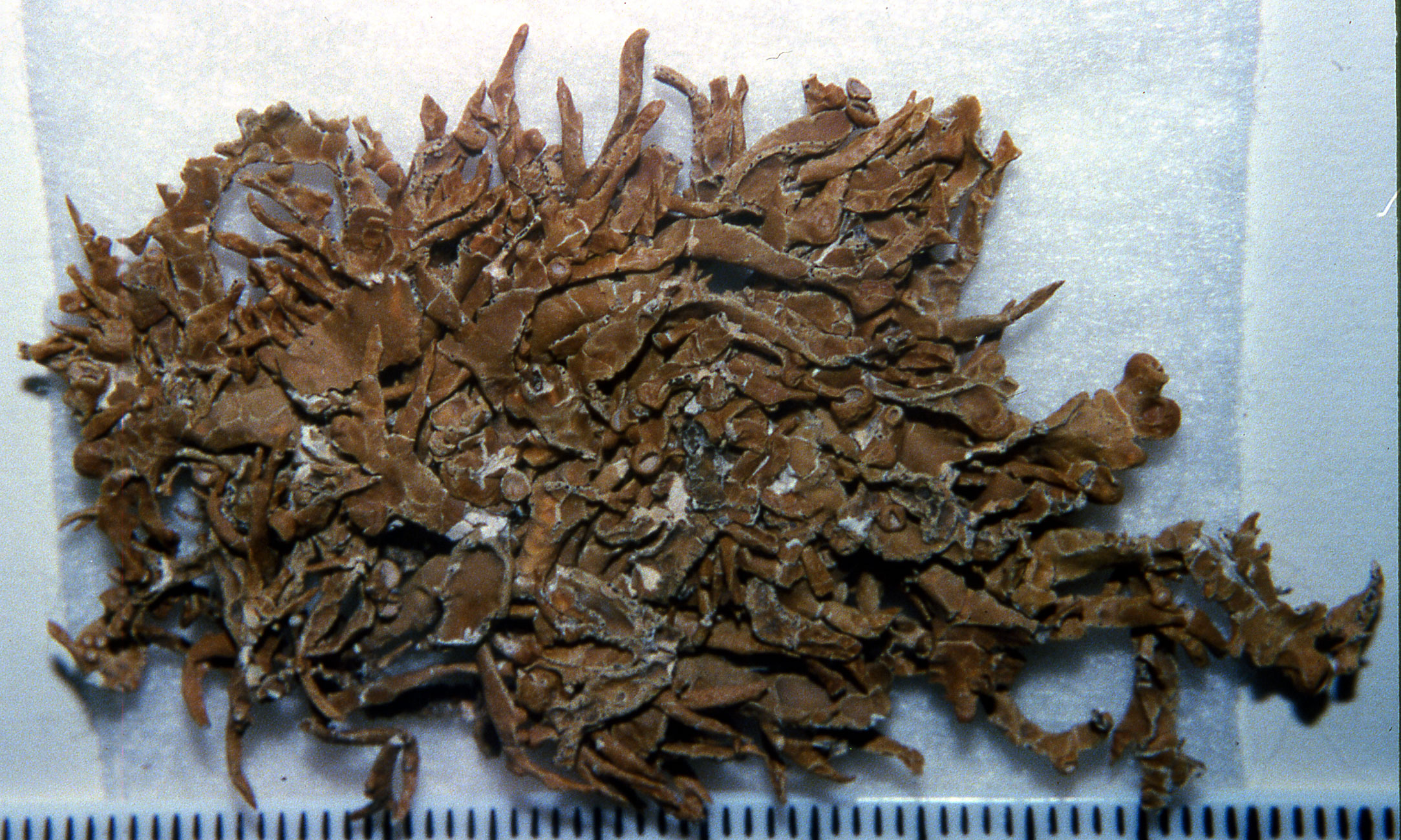
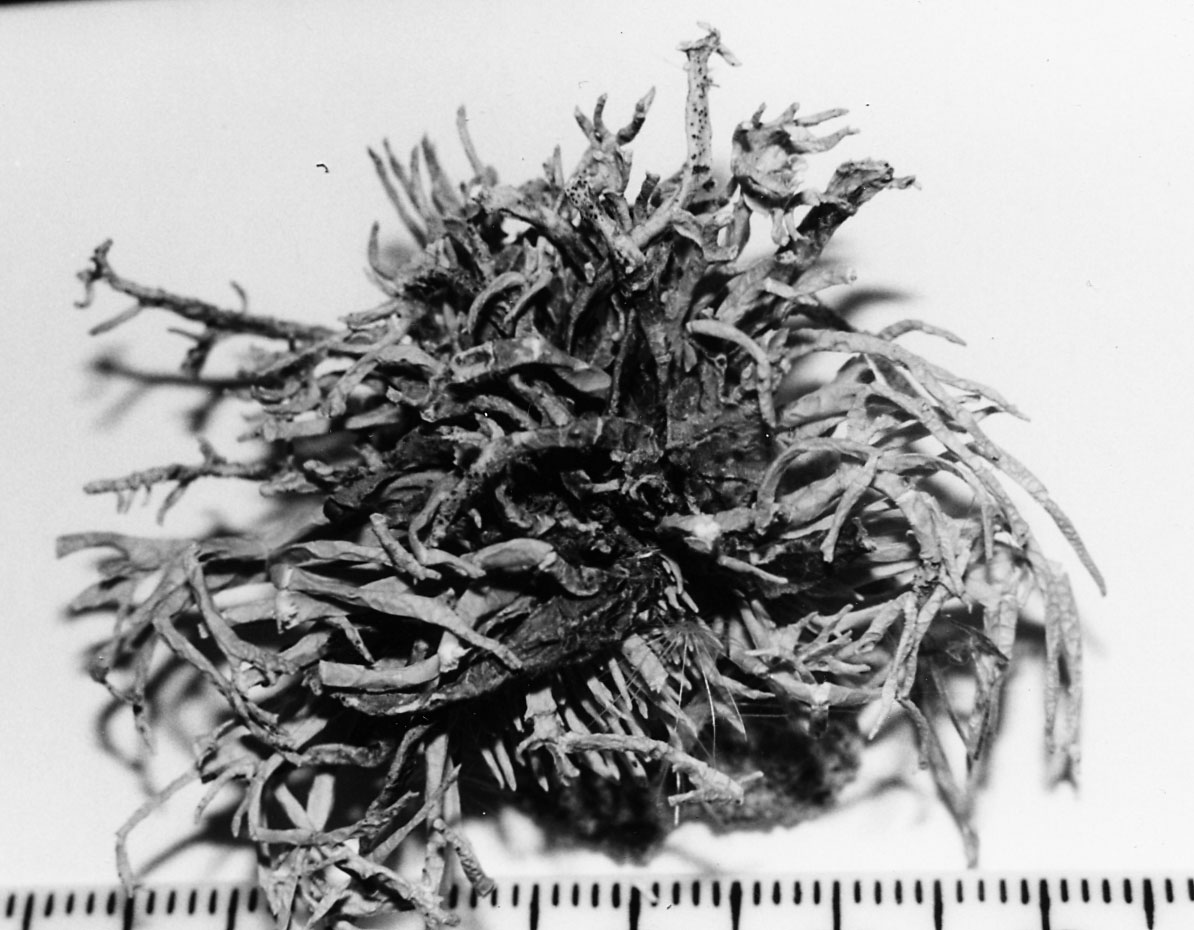
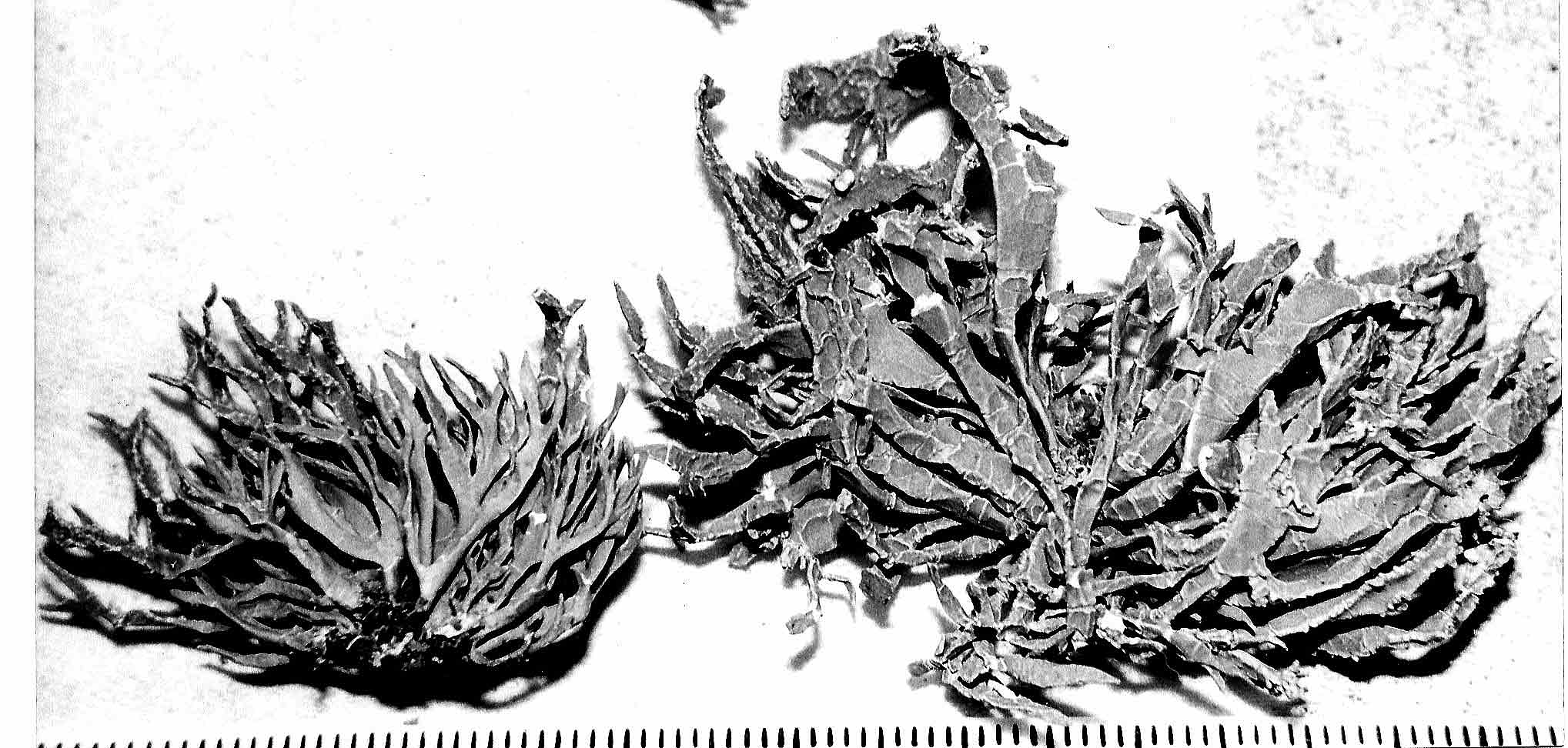
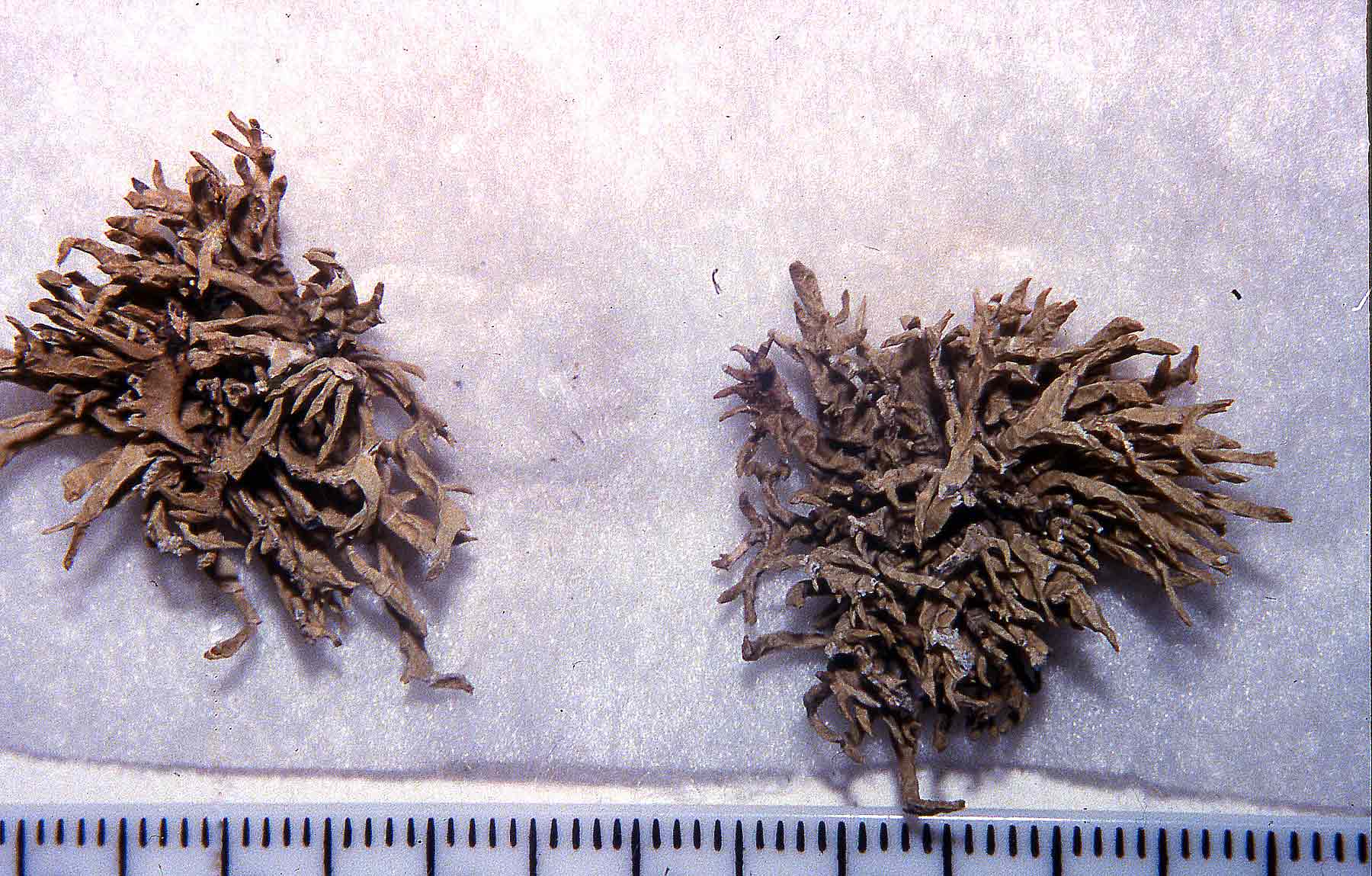
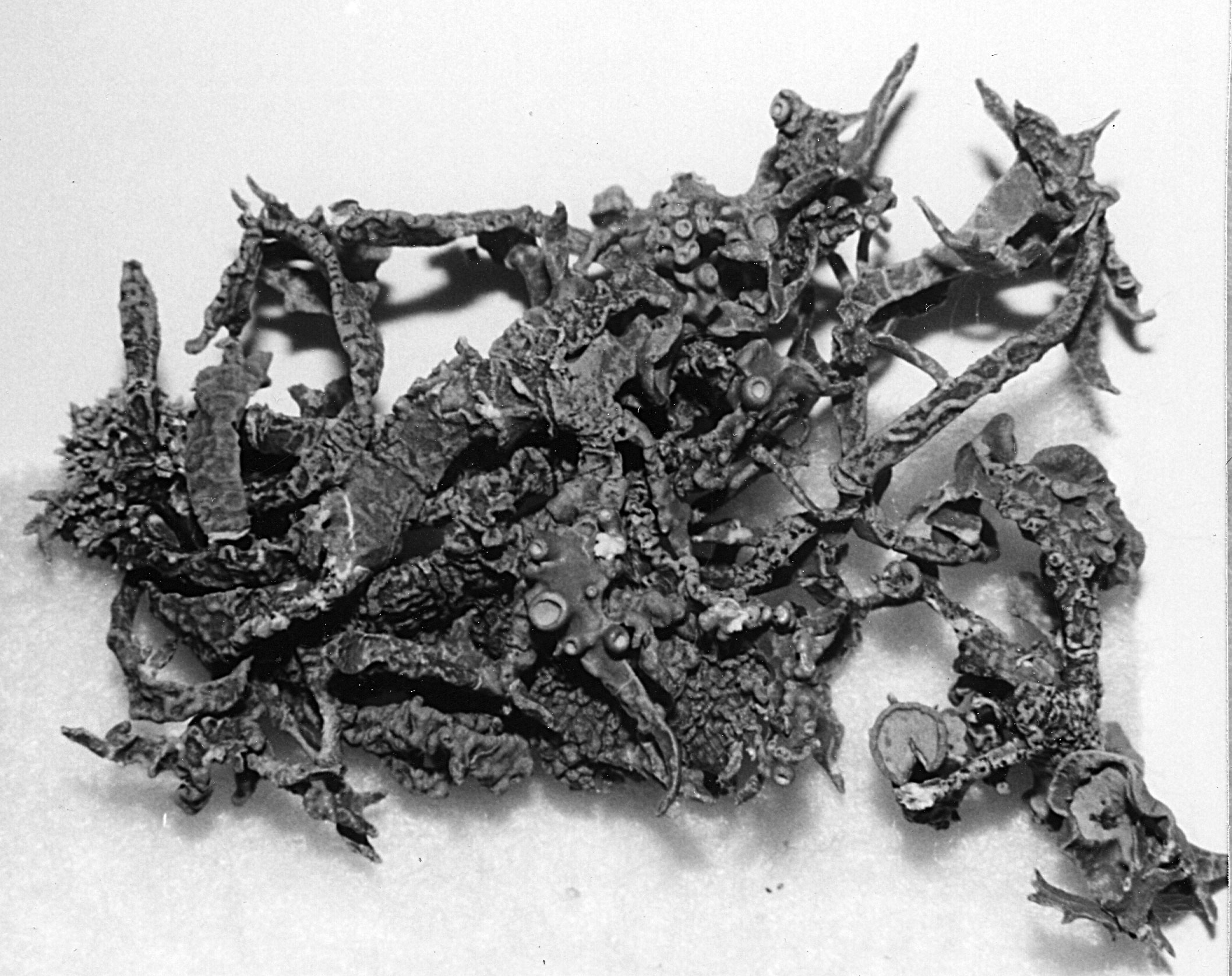
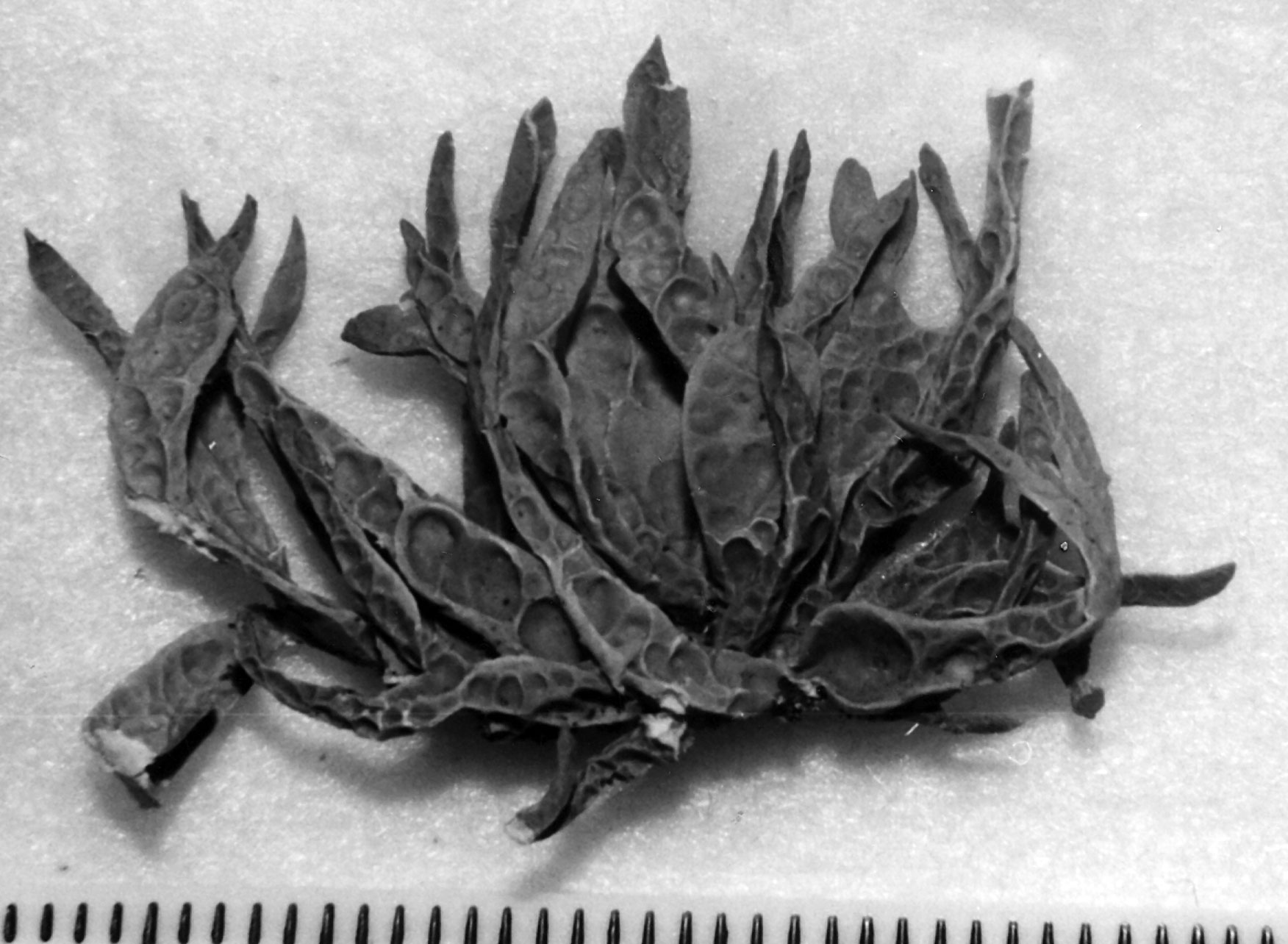
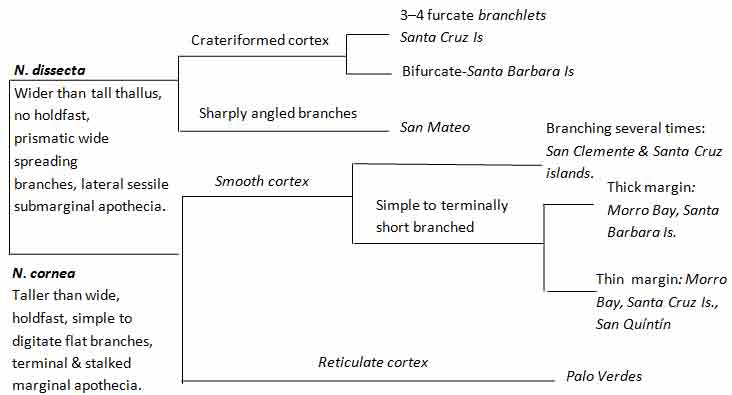
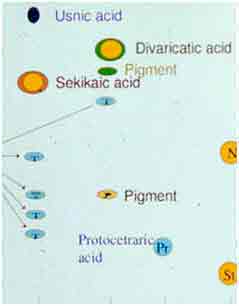
Niebla dissecta is a fruticose lichen endemic along the Pacific Coast of California, including the Channel Islands—Santa Barbara and Santa Cruz islands. The species is characterized by having sekikaic acid, and a much dichotomously divided thallus into sublinear branches that often expand towards apex and then abruptly narrow into antler-like branchlets. The basal branches generally arise from a broad attachment area. The type has more sharply angled branches with cortical ridges transversely oriented, but still exhibits the prismatic character trait seen in the Channel Island specimens. The Santa Cruz Island specimens have 3–4 forked antler-like branchlets, in contrast to the 2-forked branchlets on Santa Barbara Island and to the longer bifurcate branchlets in the type. Niebla dissecta resembles the 'Caespitoid form' of N. testudinaria, which is easily distinguished by its secondary metabolite, divaricatic acid. Except for a specimen from Isla San Martín, the cortex of N. testudinaria has an irregular network of ridges between the branch margins, whereas N. dissecta has longitudinal ribs with crater-like depressions between margins. Niebla dissecta is related to N. disrupta that differs by the thallus being taller than wide and divided into long sublinear branches, usually two-edged. This is in contrast to the wider than tall thallus of N. dissecta divided into 3–4 longitudinally ribbed branches, which are dilated from mid to upper region from where antler-like branchlets develop and spread widely apart. Another California sekikaic-acid species, Niebla cornea, differs by branches arising from a narrower more distinct holdfast. It usually has a relatively smooth cortex, although one specimen from Palo Verdes, California (Los Angeles Co., Darrow 314), has conspicuous reticulate ridging that compares more closely with N. testudinaria. This variant is similar to a specimen of N. dissecta collected by Charis Bratt from Santa Barbara Island. These and others discussed under N. cornea probably might be treated as a separate species characterized by a thallus divided into short rigid lobes, strongly wrinkled, and densely covered with pycnidia. Their relationships are outlined below in further comparison to N. cornea and its variants.
|