Niebla undulata

The World Botanical Associates Web Page
Prepared by Richard W. Spjut
April 2003, Oct. 2005

Niebla and Vermilacinia (Ramalinaceae) from California and Baja California.  
Spjut, R.W., 1996. ISSN 0833-1475, 208 pp.  
Sida, Botanical Miscellany 14. Botanical Research Institute of Texas, Inc.


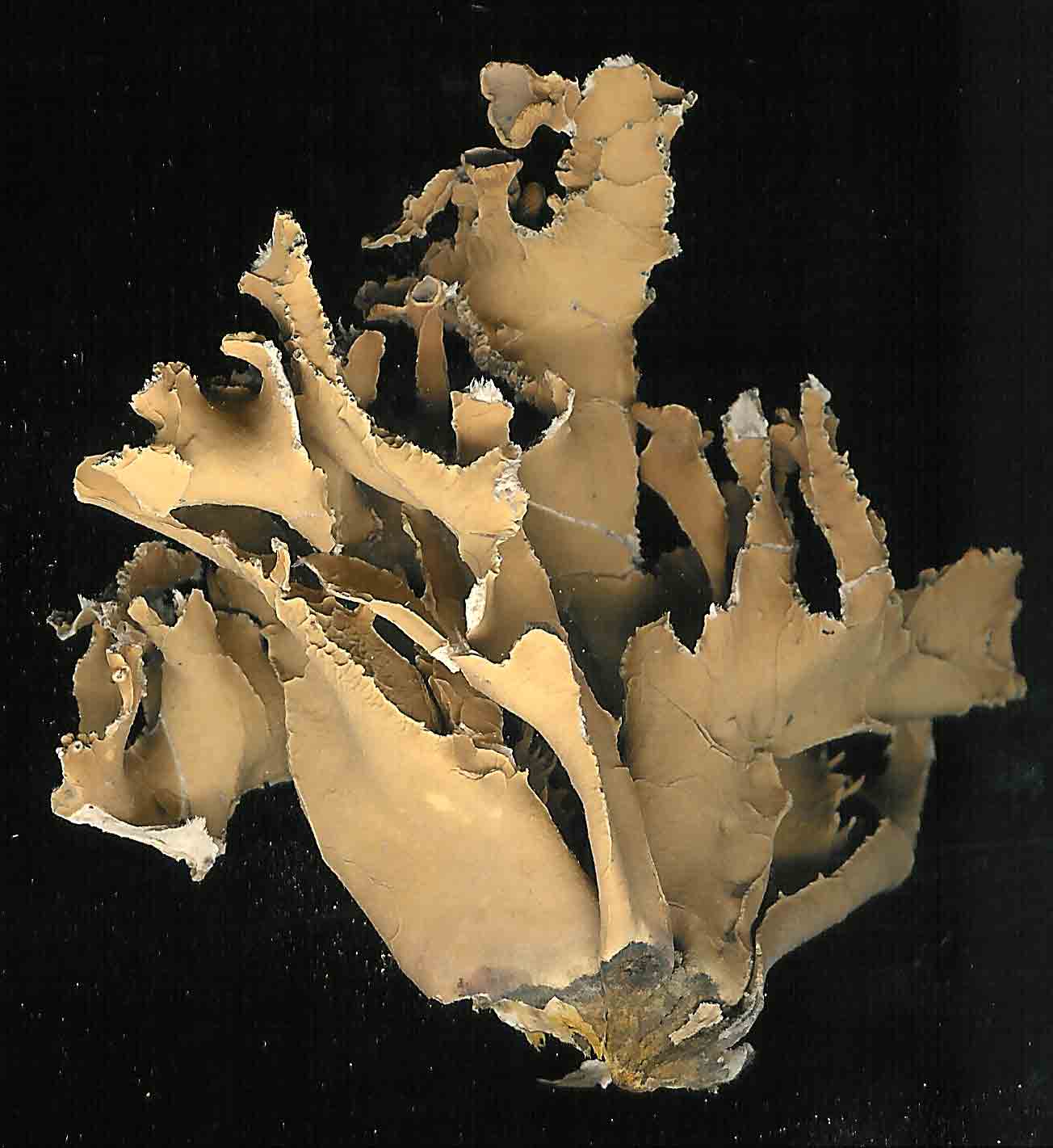
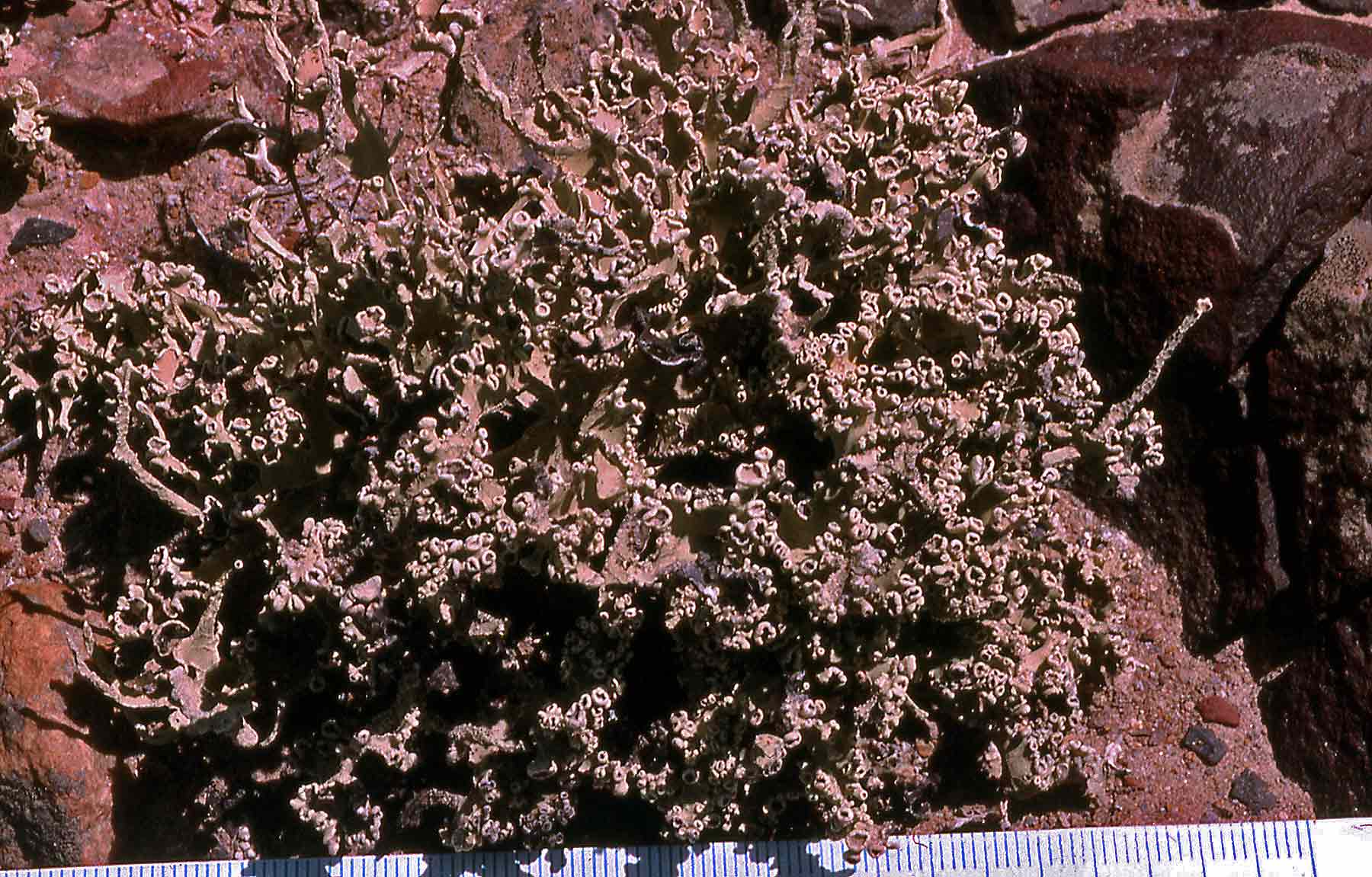
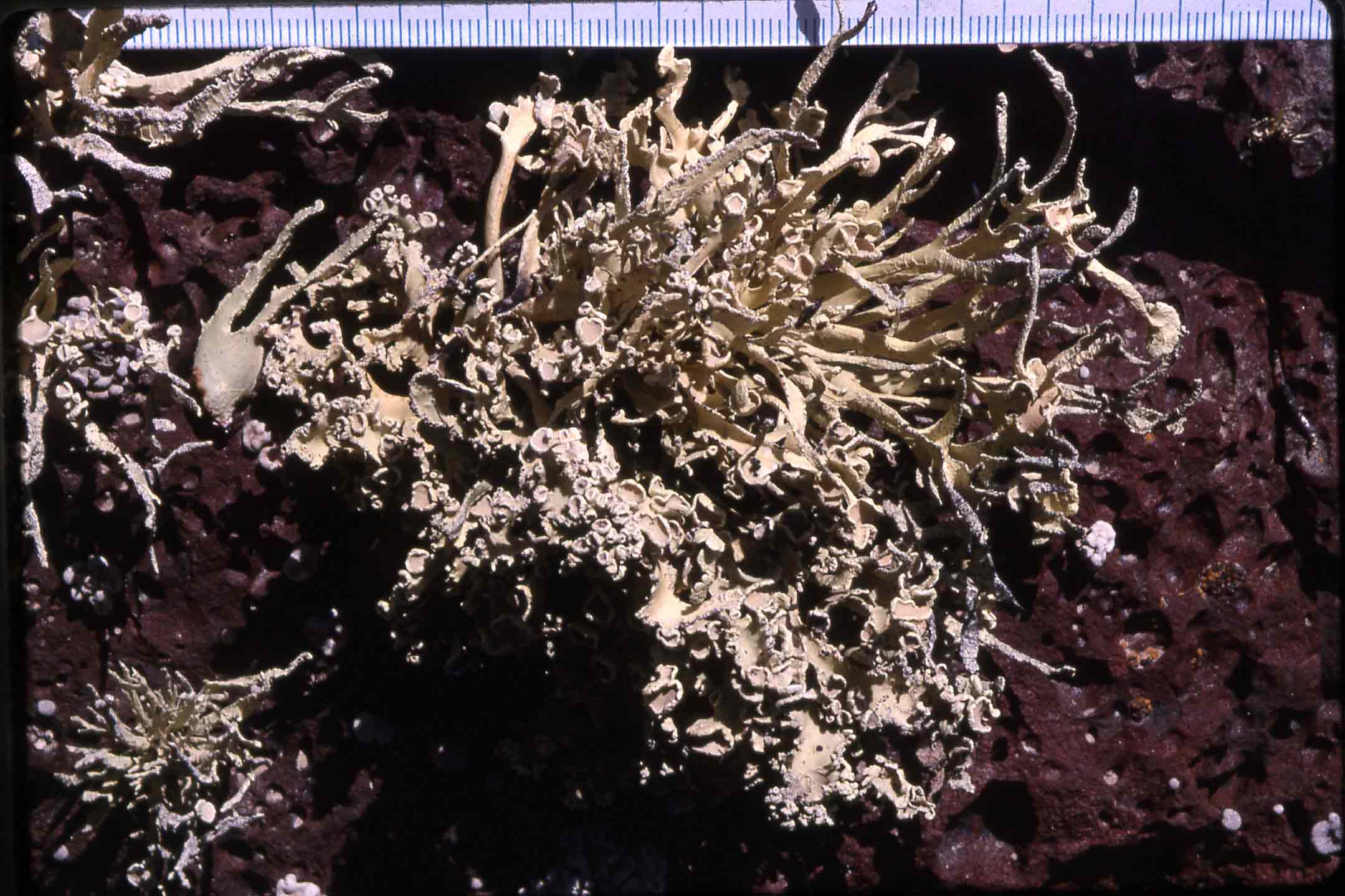
undulata-9785B.jpg (178742 bytes)

Morro Santo Domingo, Spjut 9785, May 1986

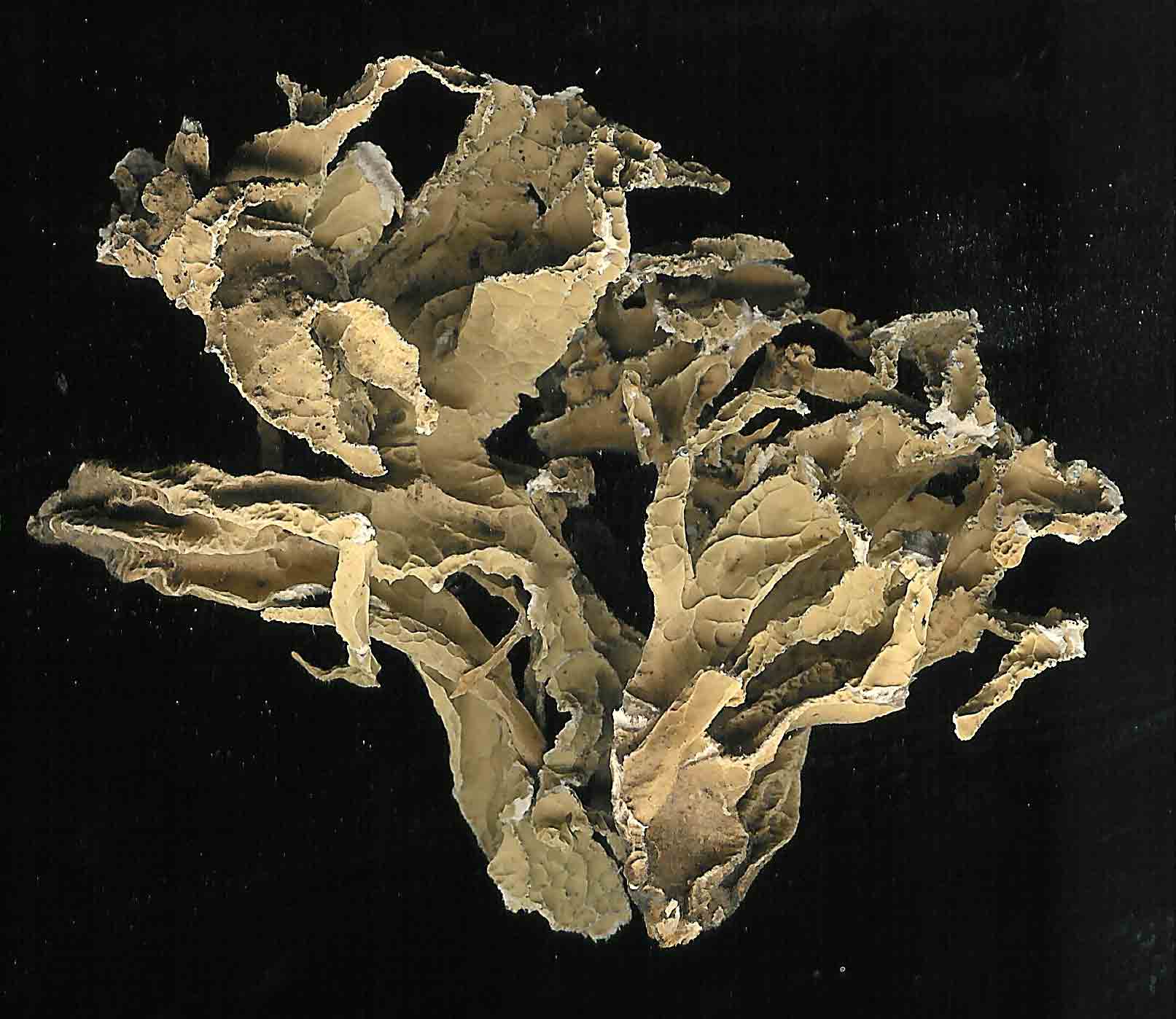
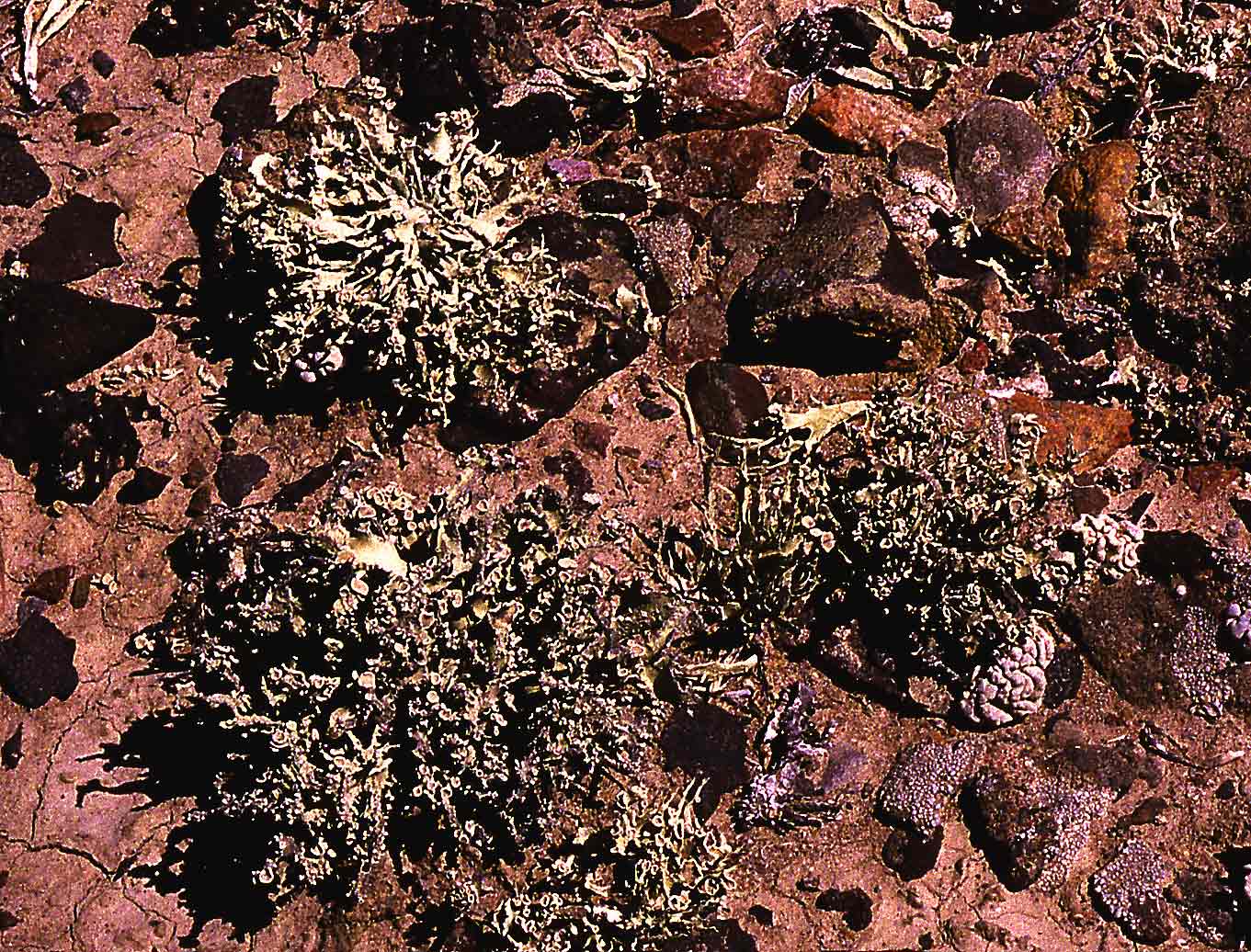
undulata-10321.jpg (99510 bytes)

Vicinity of Punta Rocosa
Spjut 10321, Mar 1988

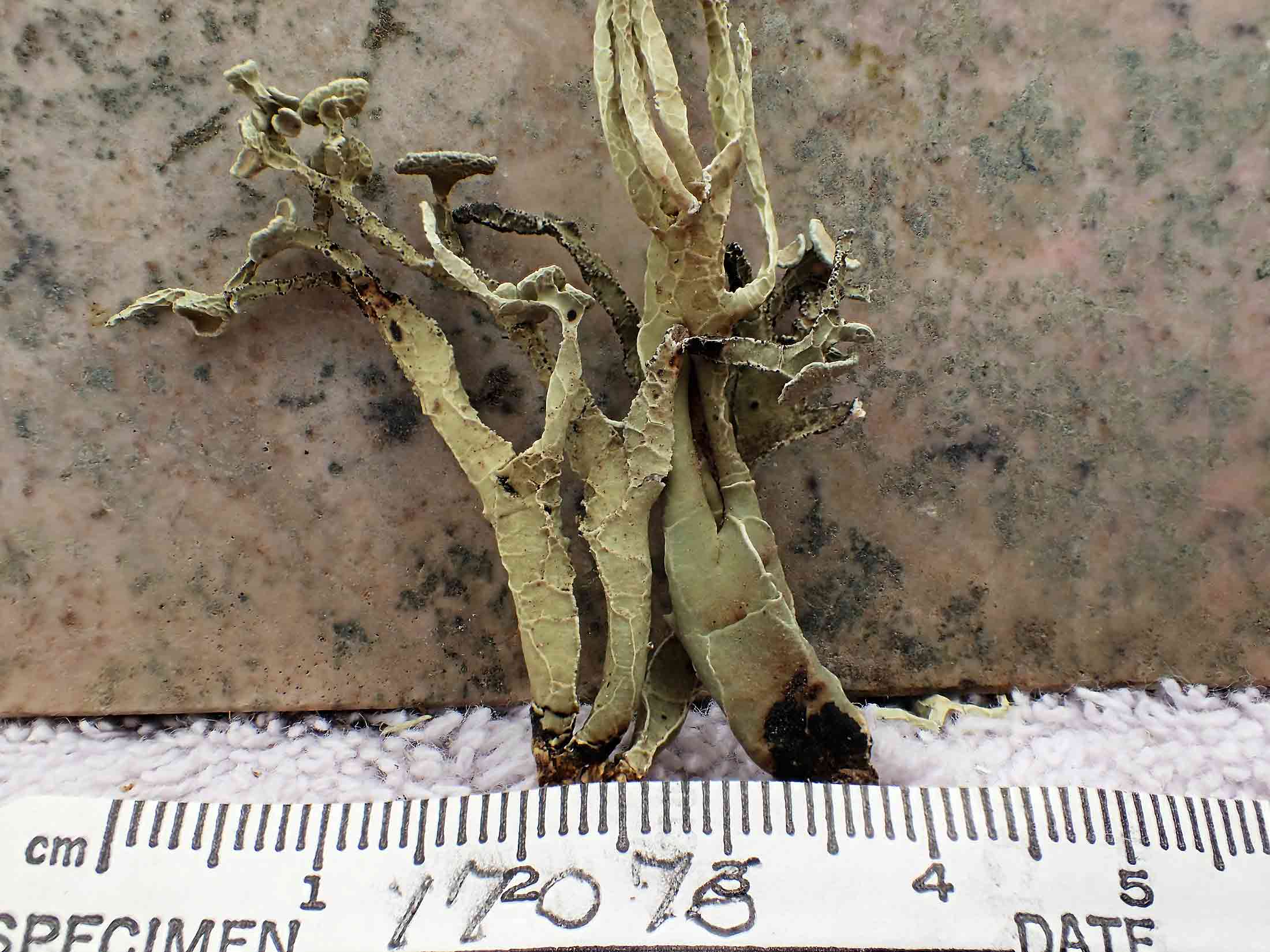
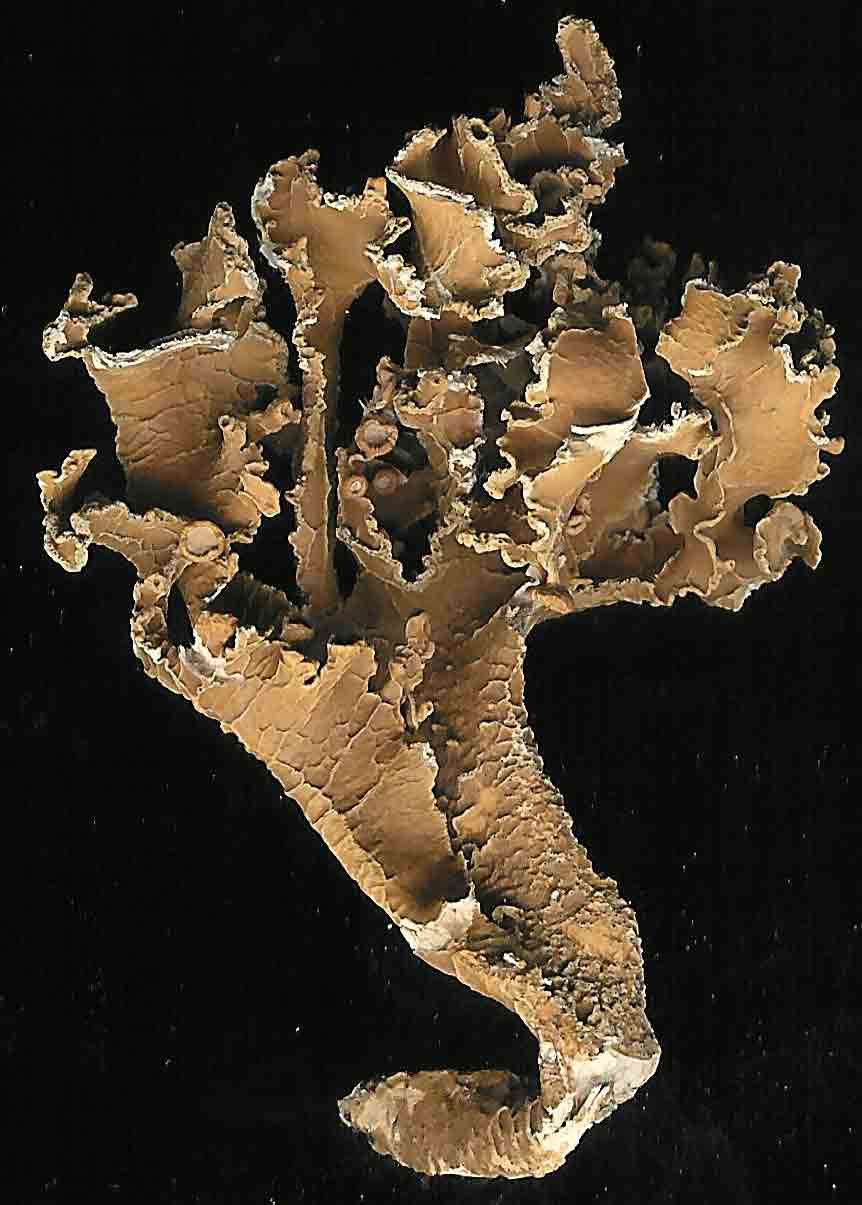
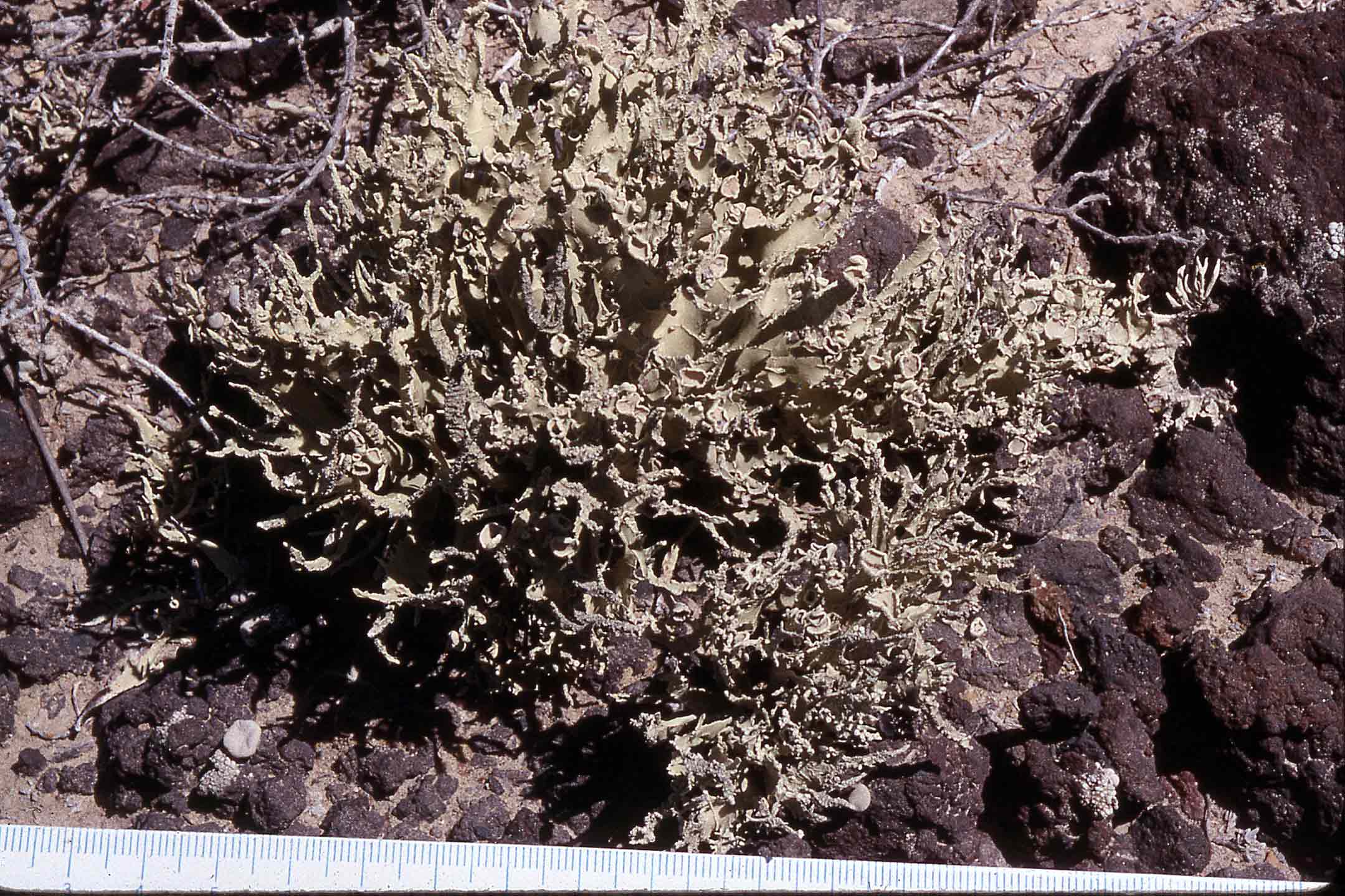
undulata-13023.jpg (53487 bytes)undulata-13023B.jpg (70558 bytes)

Slopes above Puerto Catarina, Spjut & Marin 13023, Apr 1994


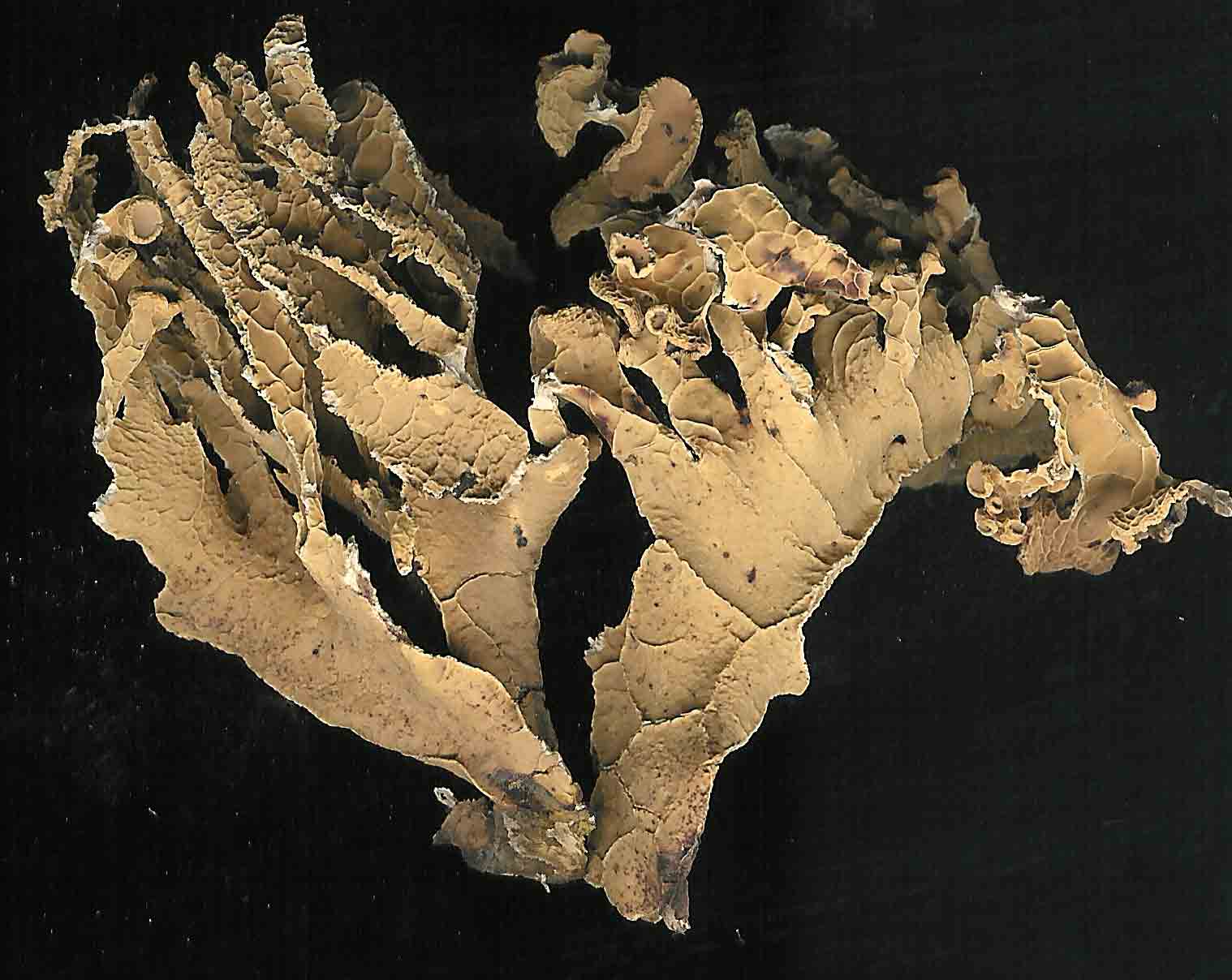
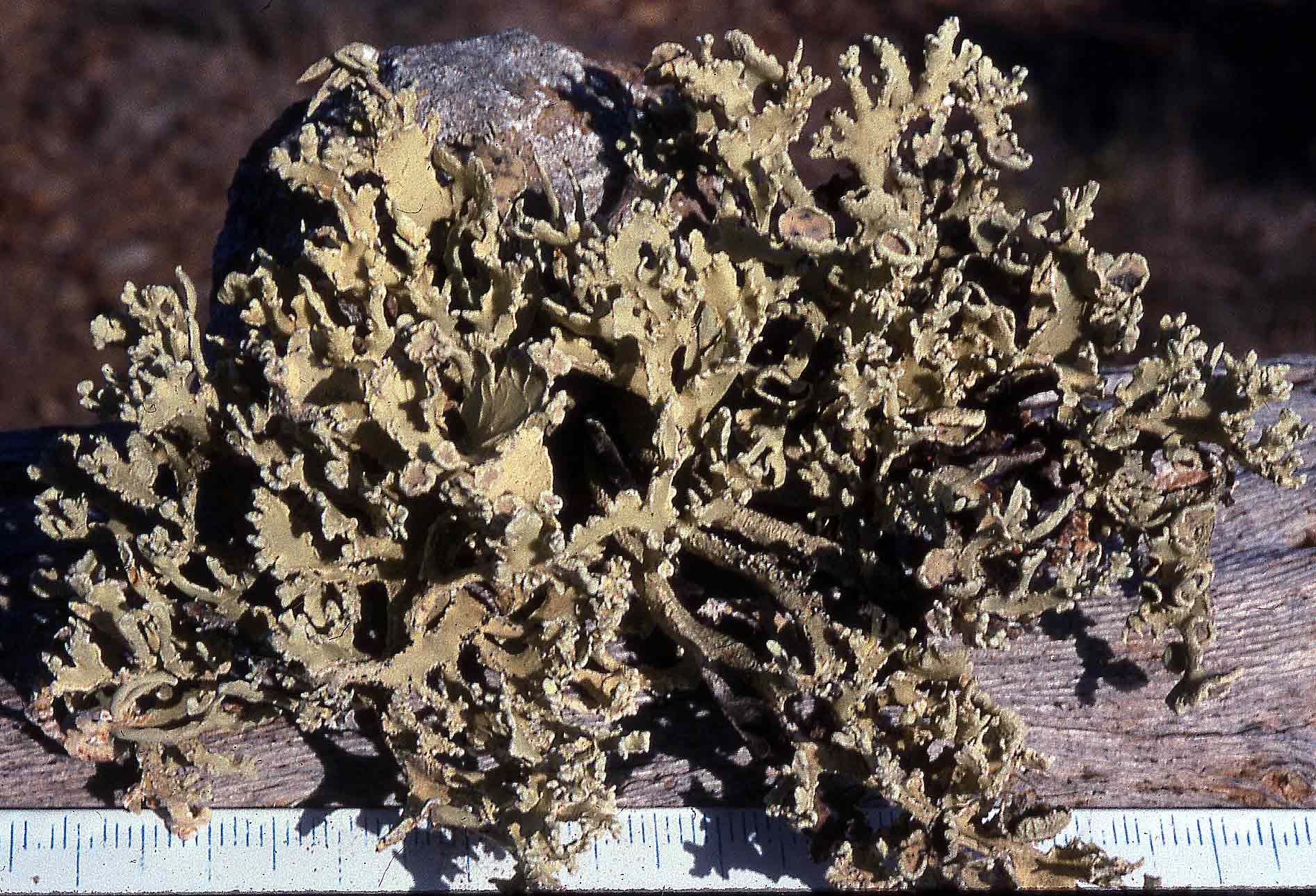
undulata-12682.jpg (111762 bytes)

Caņon San Vicente, Spjut & Marin 12682, Mar 1993

undulata-10016-isotype.jpg (61260 bytes)

Krutsio Ranch
Spjut 100016, isotype

undulata-12699.jpg (97534 bytes)

SW of El Rosario along road
to Punta San Antonio
Spjut & 12699, Mar 1993

Slopes above Puerto Catarina, Spjut & Marin 13022, Apr 1994

Slopes above Puerto Catarina,
 Spjut & Marin 13023, Apr 1994

Slopes above Puerto Catarina,
 Spjut & Marin 13133, Apr 1994

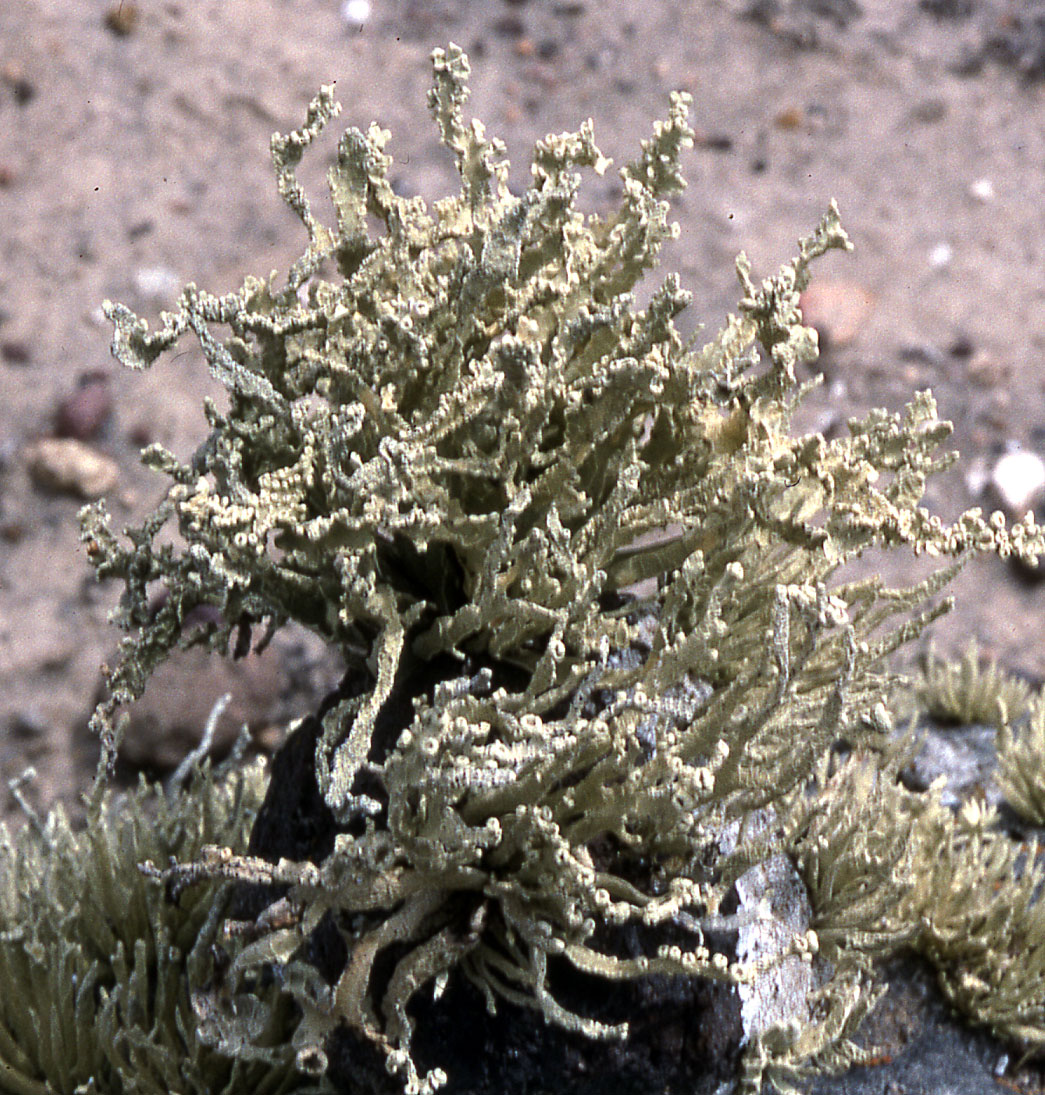
Slopes above Puerto Catarina, occurring with N. turgida, Spjut & Marin 13014-15, Apr 1994

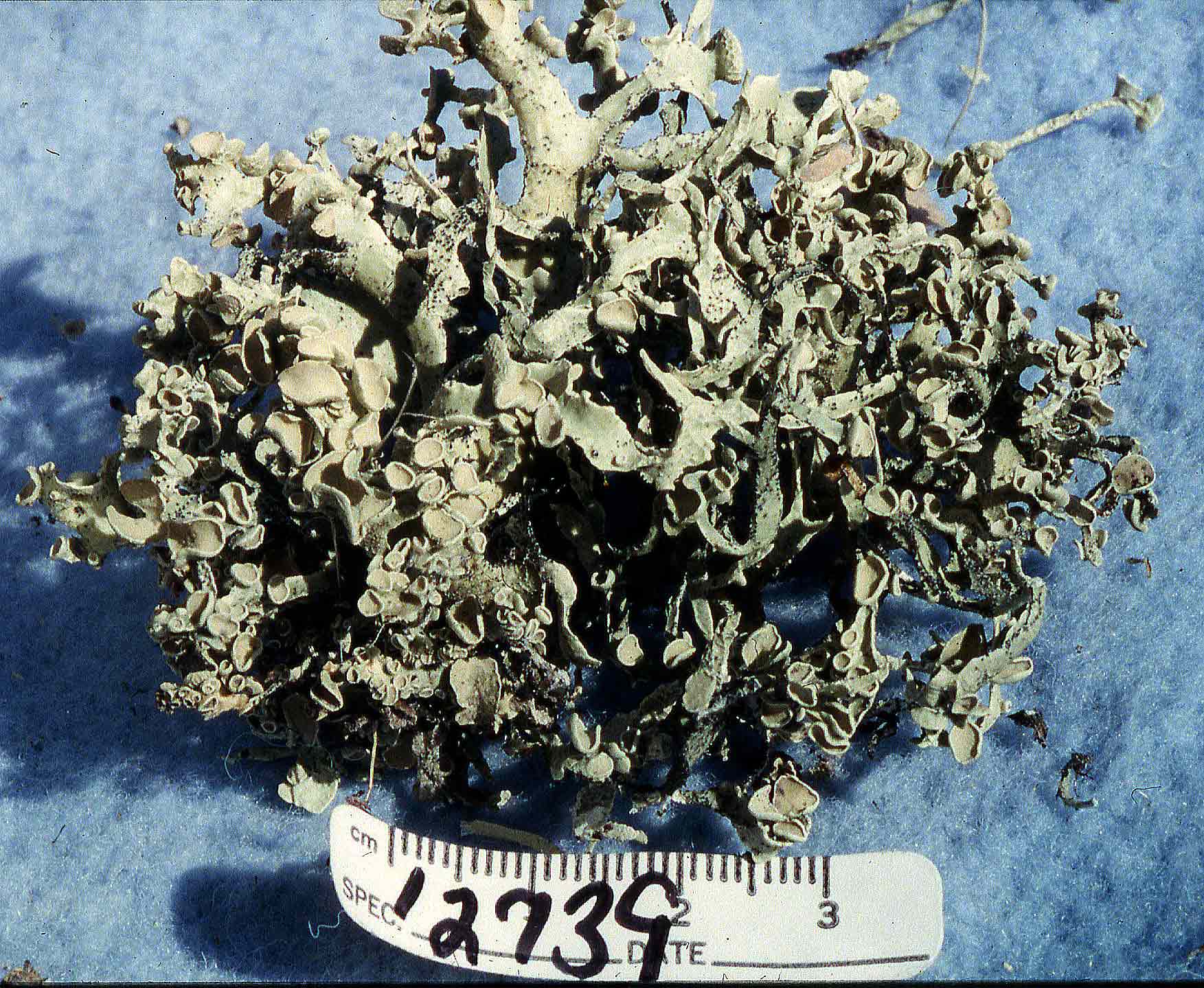
Just south of Campo Nuevo,
Spjut & Marin 12739, Apr 1993

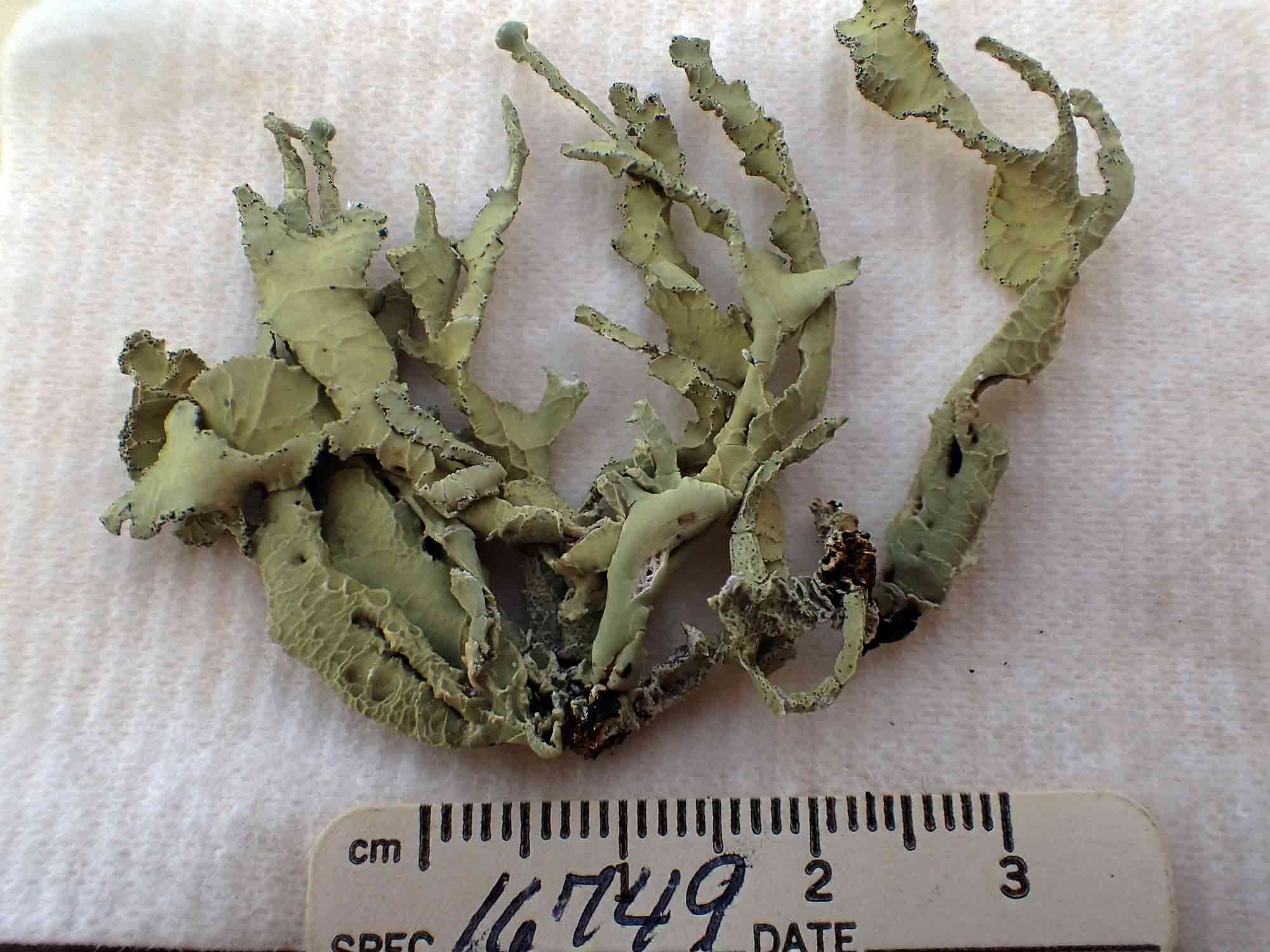
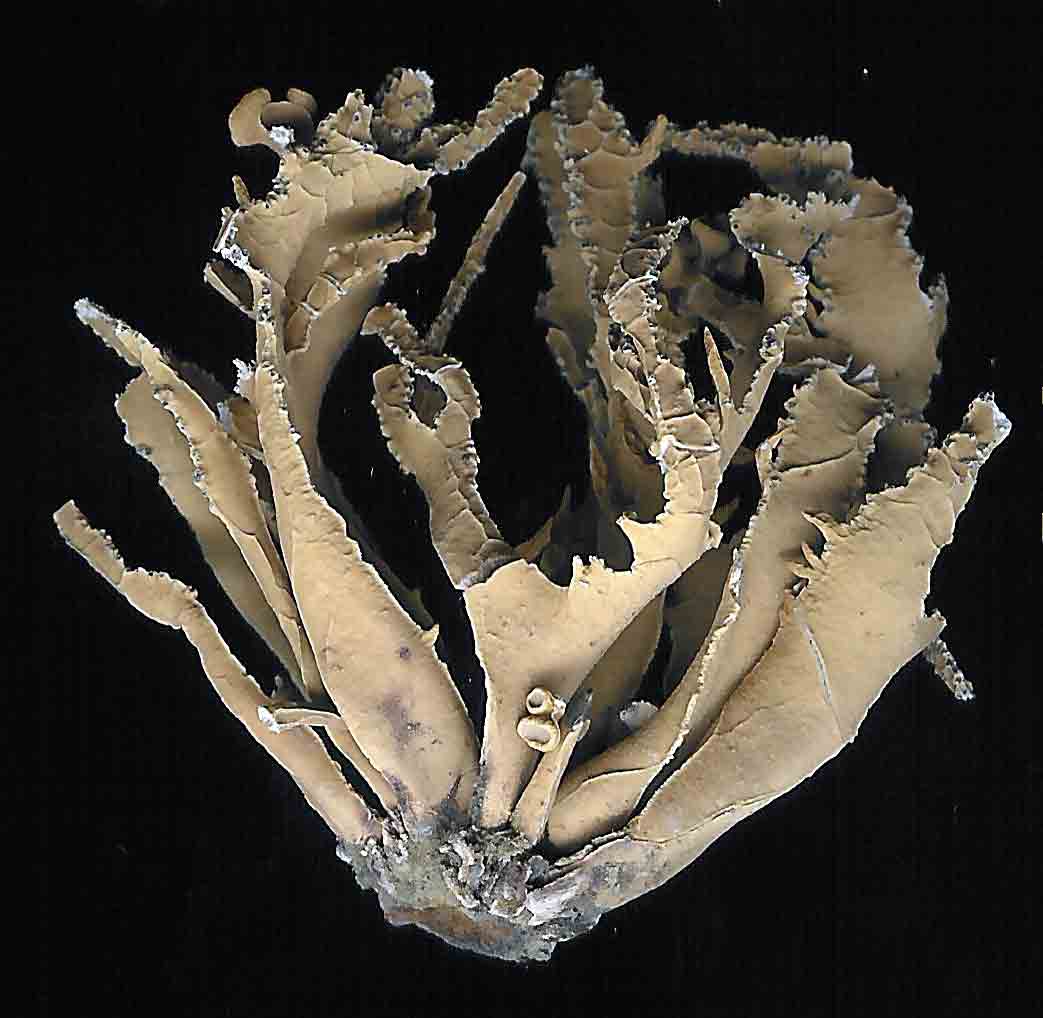
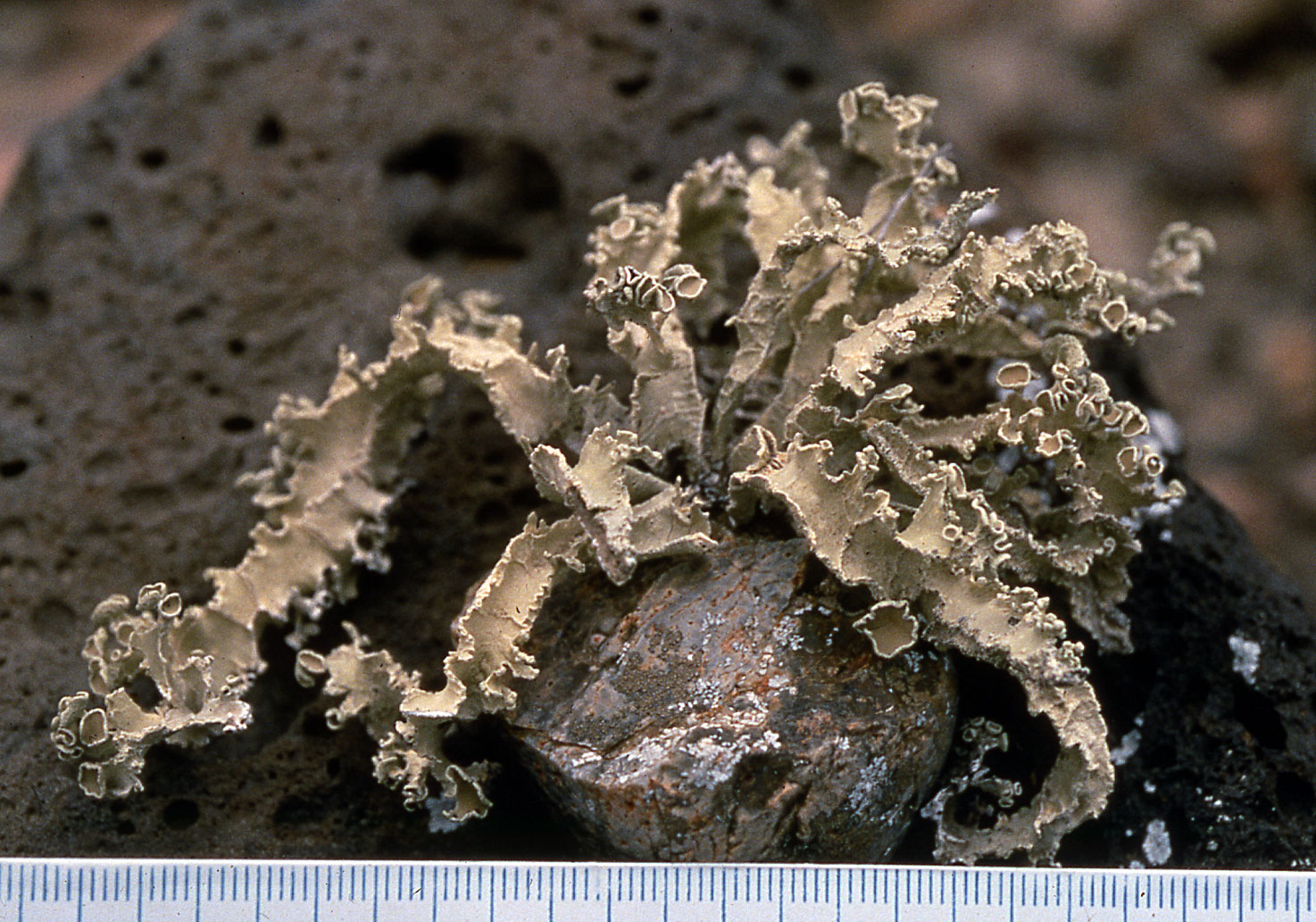
Pebble slopes S of Puerto Catarina.  Spjut & Marin 13047, 13048.  Apr 1994


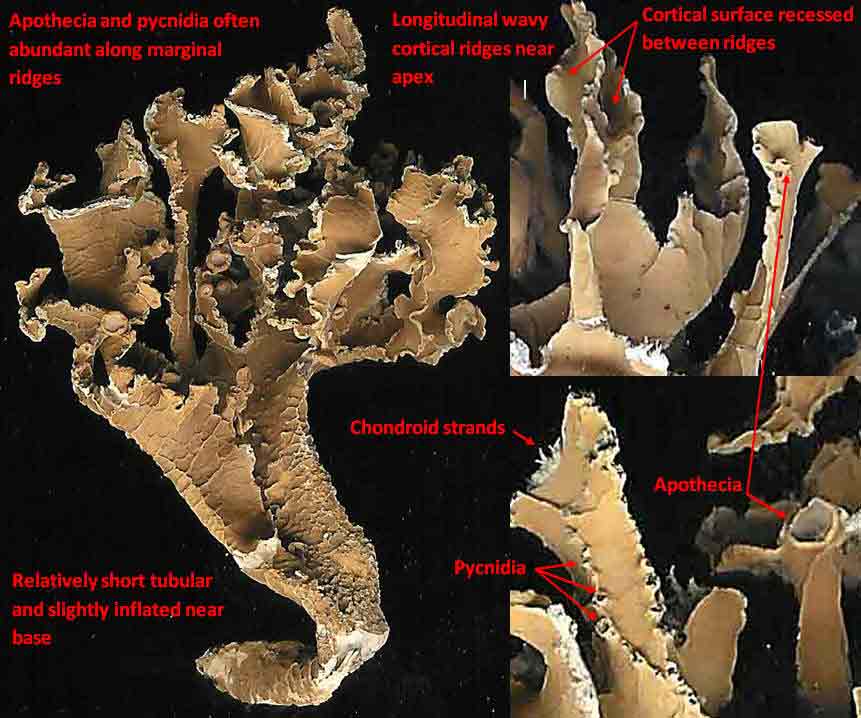
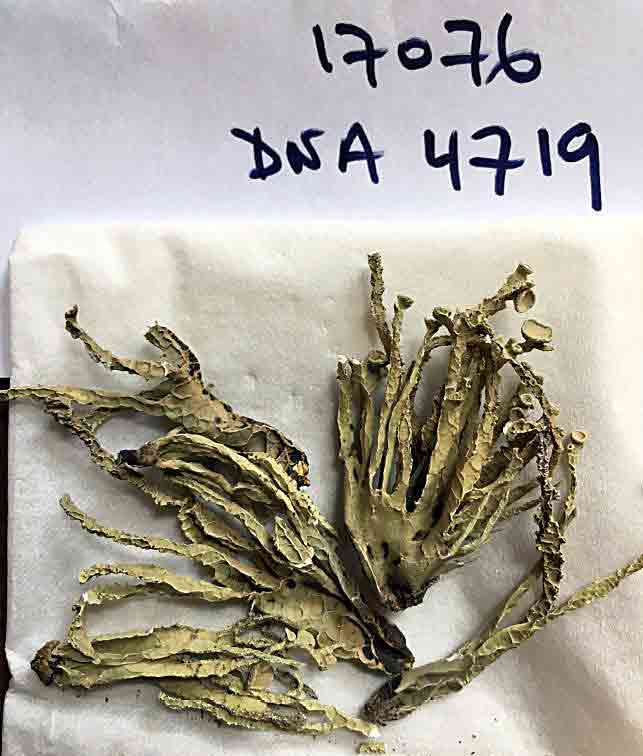
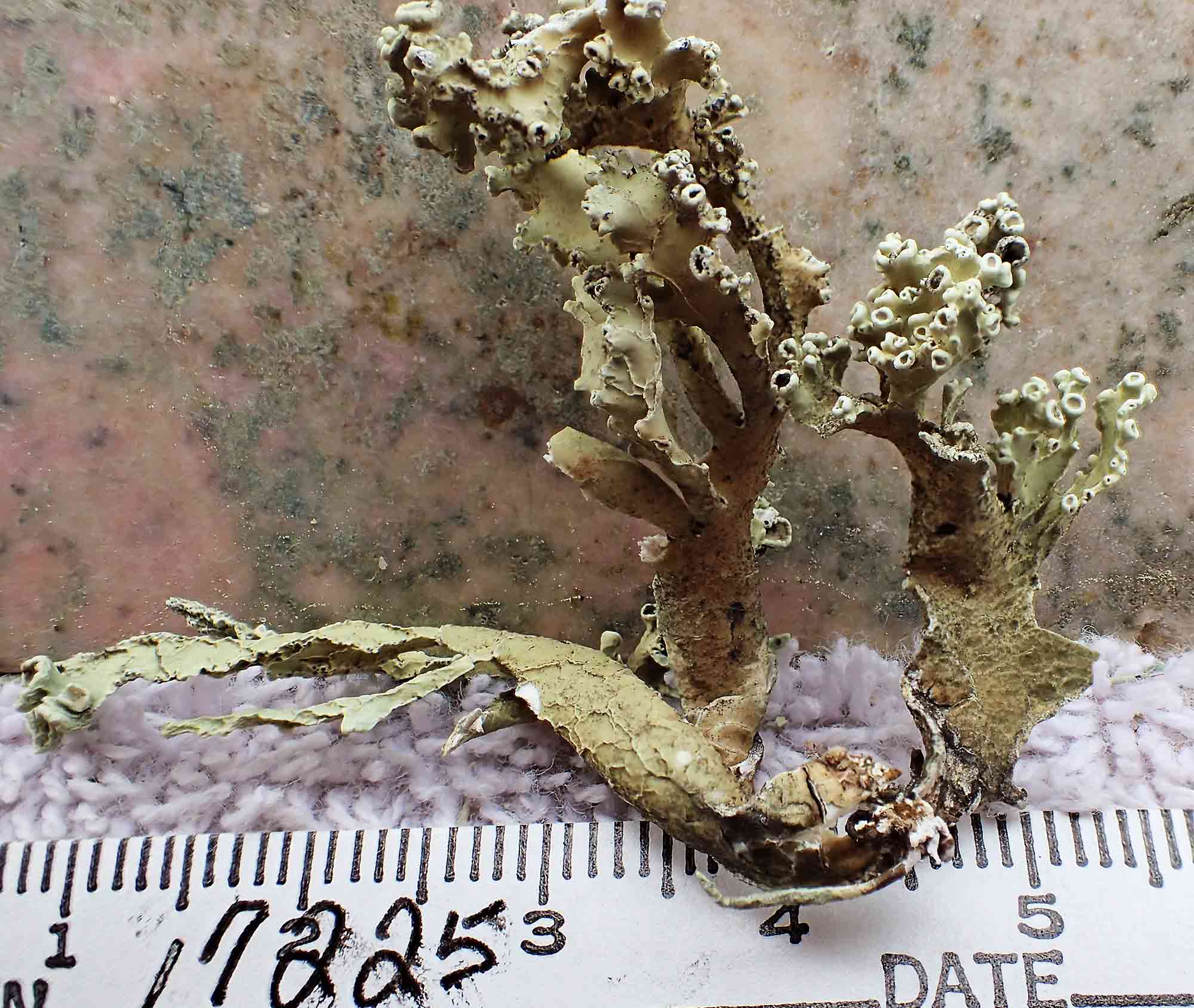
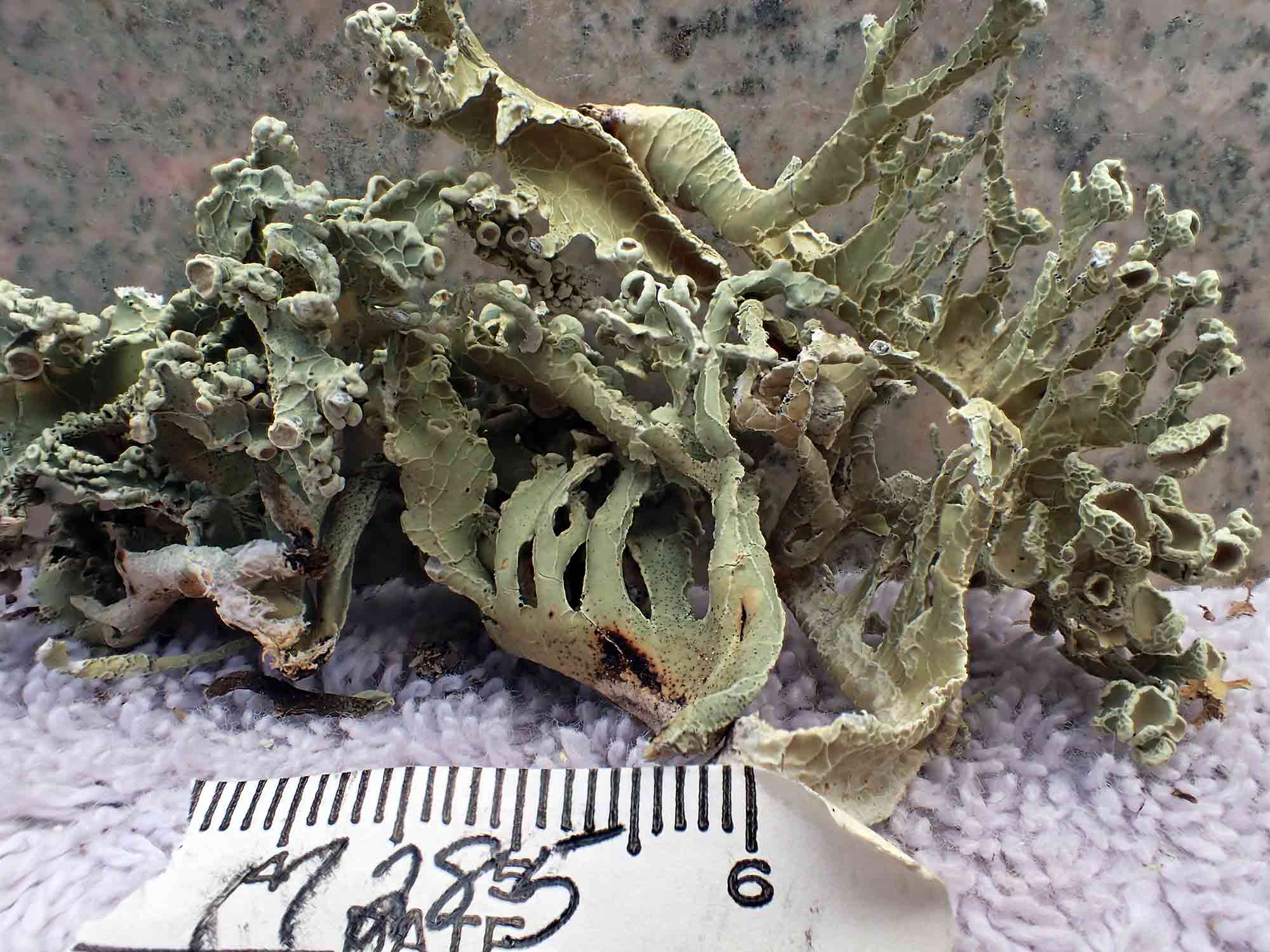
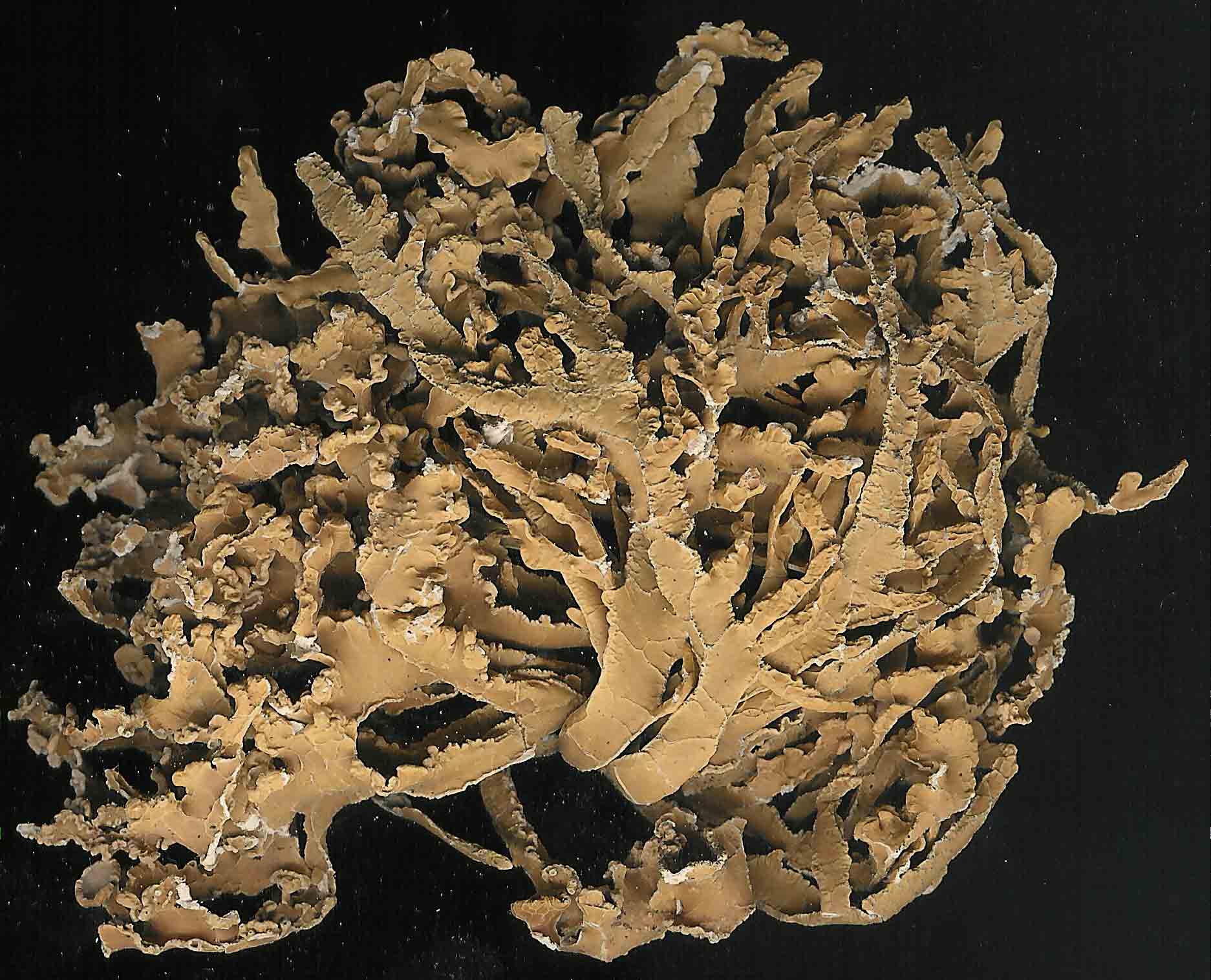
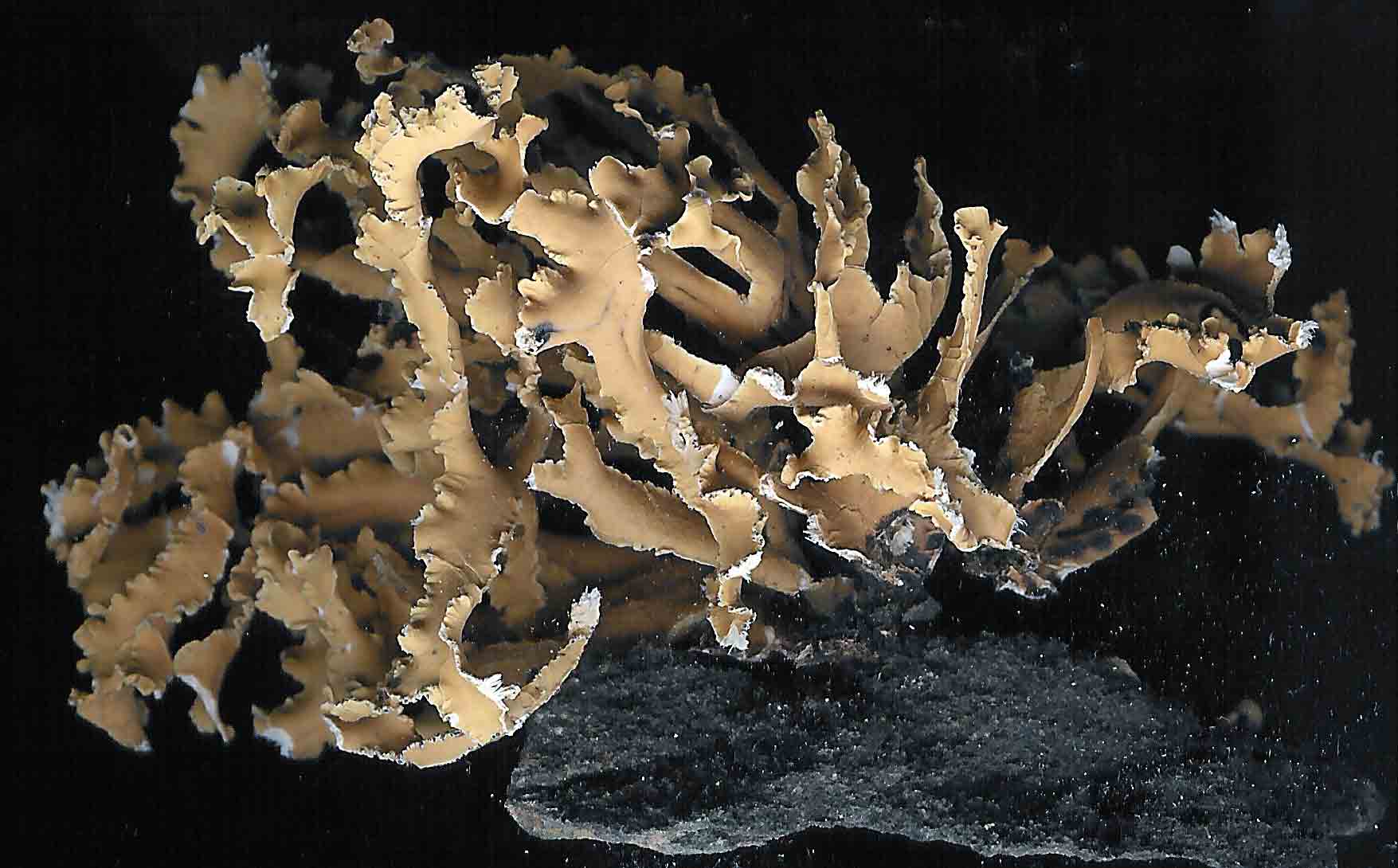
      The species is identified by the lichen substance, divaricatic acid, and by morphological features of broad undulating contorted lobes that arise from a short tubular basal branch, and by the cortical surface appearing smooth and recessed between the ridges.  The cortical ridges are oriented longitudinally near the thallus apex in which the branch or branchlets appear to twist as a result.   Its closest relative, Niebla podetiaforma, shares the character attributes of divaricatic acid and the small clumps of fistulose branches connected to the holdfast, but differs in the cortical features; the cortex of Niebla podetiaforma is prominently and finely reticulate with the ridges transversely oriented, and the surface appears more inflated (bulging) between the cortical ridges. The undulate lobes and aggregate apothecia (when present) of N. undulata are also seen in N. sorocarpia, distinguished by the larger size, measured by the relative longer tubular basal branches in contrast to the upper shorted contorted branches.  Niebla lobulata, another similar species, differs by having sekikaic acid.

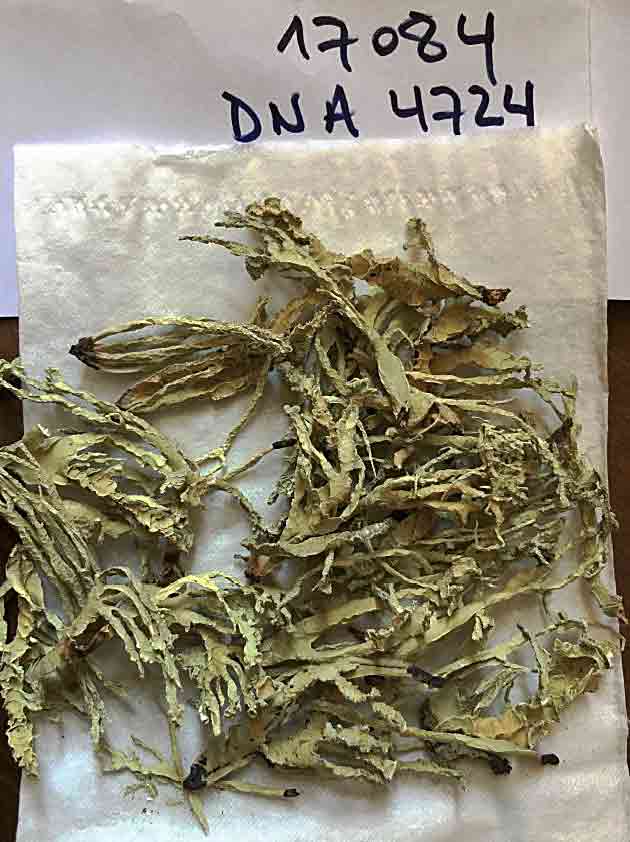
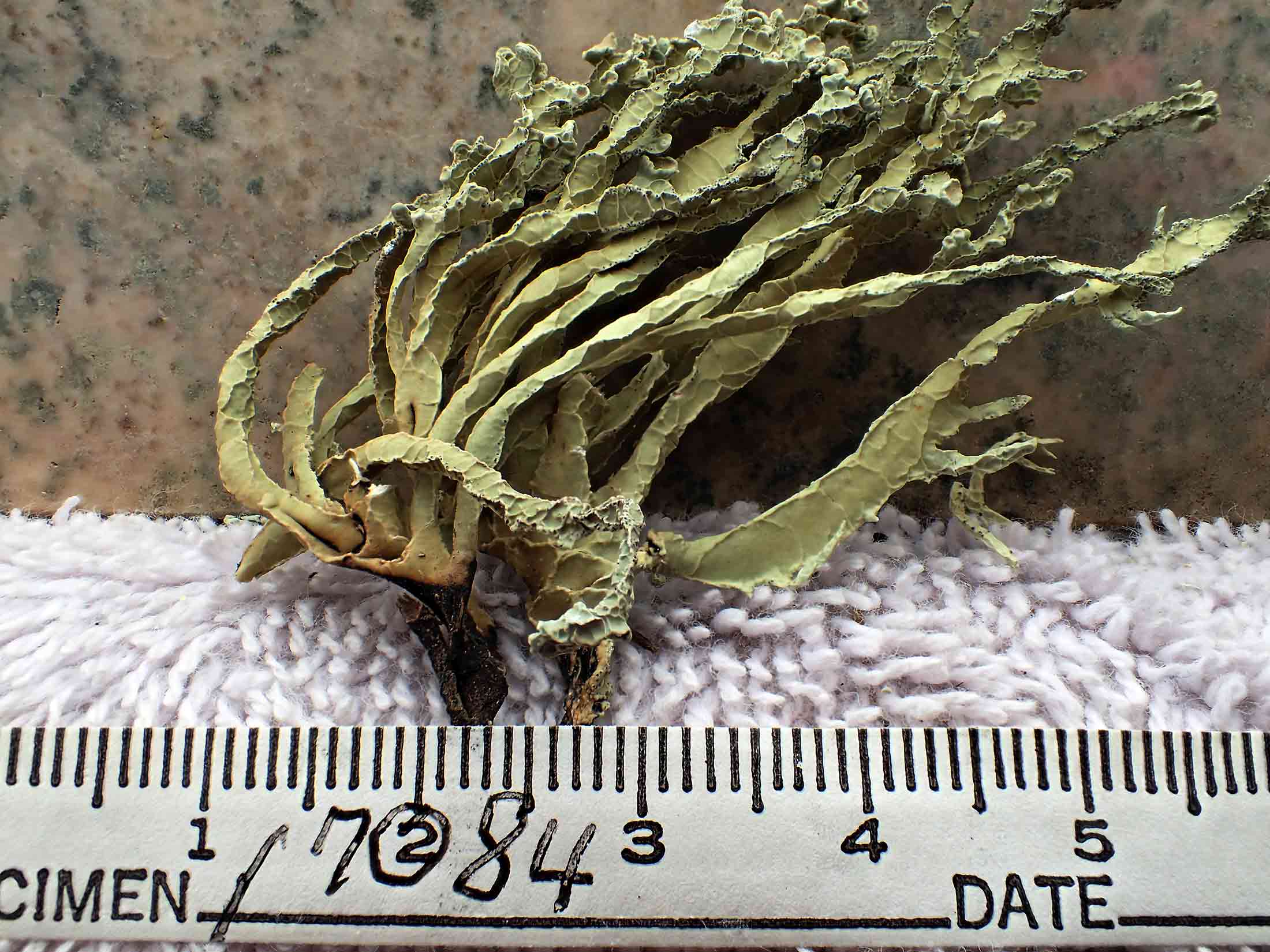
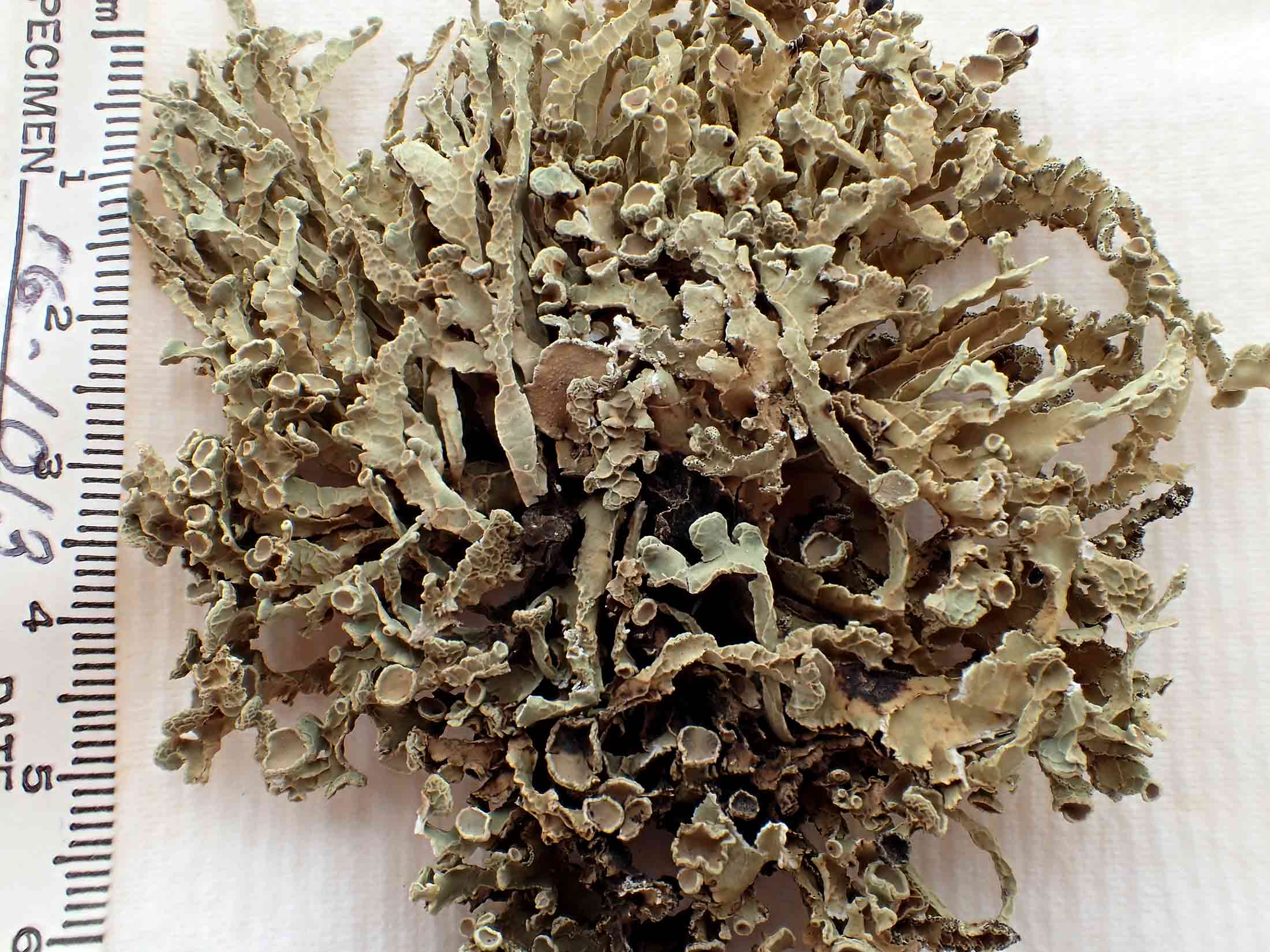
     Niebla undulata is variable in habit as shown above.  The branches may lie on the ground, or they may be erect, or they spread outwards from the base.  They are often irregular in shape, but occasionally appear bladelike as seen above in  Spjut & Marin 13047